Finding the best smart air quality monitor for studios involves balancing real-time data, ease of use, and comprehensive sensor options. The Airthings 2960 View Plus stands out as the best overall choice thanks to its battery-powered design and broad sensor array, including radon detection. For those seeking budget-friendly options, the Amazon Smart Air Quality Monitor offers seamless Alexa integration at a lower price. Meanwhile, the BREATHE Airmonitor Plus delivers professional-grade accuracy for dedicated studio environments. The main tradeoffs involve balancing sensor comprehensiveness, ease of setup, and price—continue reading for the full breakdown that helps clarify these choices.

Get beauty and skincare favorites delivered free with Prime
- Fast, free delivery on millions of items
- Prime Video, Amazon Music and more included
- Member-only deals all year
Key Takeaways
- Top picks excel in sensor variety, with models like Airthings View Plus offering radon detection alongside common air quality metrics.
- Connectivity and smart home integration are key factors, as seen with Amazon’s Alexa-compatible options for effortless control.
- Price ranges vary widely; budget models often trade off some sensor detail for simplicity and affordability.
- Real-time monitoring and app control significantly enhance usability, especially for studio environments requiring constant oversight.
- Build quality and ease of setup are decisive—professional-grade monitors tend to be more complex but offer higher accuracy.
| Airthings 2960 View Plus – Battery Powered Radon & Air Quality Monitor |  | Best Overall for Comprehensive Radon and Air Quality Monitoring | Radon detection: Electrochemical sensor | Power source: Battery-powered | Connectivity: WiFi | VIEW LATEST PRICE | See Our Full Breakdown |
| BREATHE Airmonitor Plus Indoor Air Quality Monitor |  | Best for Professional-Grade Home and Office Use | Sensors: HCHO, CO2, PM1/2.5/10, TVOC, temperature, humidity | Data storage: 30 days | Connectivity: WiFi | VIEW LATEST PRICE | See Our Full Breakdown |
| Amazon Smart Air Quality Monitor – Know your air, Works with Alexa (Pack of 2) |  | Best for Alexa-Integrated Smart Home Control | Sensors: PM2.5, CO, humidity, temperature | Connectivity: WiFi, Alexa | Display: LED indicator | VIEW LATEST PRICE | See Our Full Breakdown |
| Air Quality Monitor Home Indoor – 15-in-1 Professional Air Meter |  | Best for Extensive Multi-Parameter Monitoring | Parameters: HCHO, CO2, PM0.3/1/2.5/10, TVOC, AQI, temp, humidity | Refresh rate: 2 seconds | Data storage: 2 years | VIEW LATEST PRICE | See Our Full Breakdown |
| GoveeLife Smart Air Quality Monitor |  | Best for Quick Readouts and Smart Home Integration | Sensors: PM2.5, temperature, humidity | Refresh rate: 2 seconds | App control: Yes | VIEW LATEST PRICE | See Our Full Breakdown |
| Qingping Air Quality Monitor Gen 2, Air Quality Monitor Indoor Detects PM2.5, CO2, PM10, Noise, Temperature and Humidity, New Upgraded Alarm Clock Function, Air Quality Tester for Bedroom, Smart Home |  | Best Multifunctional Monitoring for Detailed Indoor Air Data | Monitoring Metrics: PM2.5, PM10, CO2, VOCs, Noise, Temperature, Humidity | Display: 4-inch IPS touchscreen | Sensor Replacement: Replaceable PM sensor | VIEW LATEST PRICE | See Our Full Breakdown |
| Amazon Smart Air Quality Monitor – Know your air, Works with Alexa |  | Best for Seamless Alexa Integration and Ease of Use | Monitoring Factors: PM 2.5, VOCs, CO, Temperature, Humidity | Connectivity: Wi-Fi, Bluetooth | Dimensions: 65x65x45mm | VIEW LATEST PRICE | See Our Full Breakdown |
More Details on Our Top Picks
Airthings 2960 View Plus – Battery Powered Radon & Air Quality Monitor
This device stands out for its ability to continuously monitor radon, a critical health hazard often overlooked in air quality devices like the Amazon Smart Monitor. Its battery-powered, cable-free design allows flexible placement, perfect for small studios with limited outlets. The integration with WiFi and the Airthings app provides real-time data, trend analysis, and notifications, making it a top choice for those who want a complete picture of indoor air health. Compared with simpler monitors like the GoveeLife, this model adds radon detection—an essential feature for health-conscious users. The main tradeoff is its higher price and reliance on a subscription for full app features, which could be a barrier for budget-minded buyers.
Pros:- Accurate, electrochemical radon detection—rare in small monitors
- Battery-powered, cable-free for flexible placement
- Long-term trend analysis via app and real-time alerts
Cons:- Higher cost compared to simpler monitors
- Requires WiFi and app registration, adding setup complexity
- Extended warranty registration needed for full support
Best for: Studio owners who prioritize radon detection and comprehensive air quality monitoring with portable setup.
Not ideal for: Budget-conscious users seeking a basic, inexpensive air quality monitor without radon detection.
- Radon detection:Electrochemical sensor
- Power source:Battery-powered
- Connectivity:WiFi
- Sensor types:PM2.5, CO2, VOCs, humidity, pressure
- Operating temperature:4°C to 40°C
- Display:Customizable eInk screen
Bottom line: Ideal for health-focused studio owners who need detailed radon and air quality data with portable convenience.
BREATHE Airmonitor Plus Indoor Air Quality Monitor
This monitor offers a significant upgrade over basic devices like the Amazon Smart Monitor by providing detailed, multi-sensor data including formaldehyde and PM levels, which are vital for knowing your studio’s air quality. Its advanced sensors deliver accurate, real-time readings with automatic calibration, making it suitable for users who want precise, trustworthy data. The sleek, compact design means it fits seamlessly into a small studio environment. Unlike simpler models, this monitor offers 30-day data history and remote access through the Breathe Tech app, ideal for those who want ongoing insight. However, its more complex setup and higher price point might be overkill for casual or beginner users looking for straightforward monitoring.
Pros:- Multi-sensor accuracy for a complete air profile
- Automatic calibration and long-term data storage
- Compact, modern design fits in small studios
Cons:- Higher price compared to simpler monitors
- Requires WiFi and app setup, more technical to operate
- Potential overkill for basic air quality needs
Best for: Studio owners who need detailed, professional-grade air quality data for health and compliance reasons.
Not ideal for: Casual users seeking an easy, plug-and-play device without the need for detailed data or app integration.
- Sensors:HCHO, CO2, PM1/2.5/10, TVOC, temperature, humidity
- Data storage:30 days
- Connectivity:WiFi
- Display:Color high-res
- Power:AC-powered
- Calibration:Automatic/manual
Bottom line: Best suited for studio owners requiring precise, multi-parameter air quality insights with professional features.
Amazon Smart Air Quality Monitor – Know your air, Works with Alexa (Pack of 2)
This pack excels for users who want basic, easy-to-understand air quality data integrated with Alexa, making it a good choice for small studios already using Amazon Echo devices. Its color-coded LED and simple air quality score provide quick, at-a-glance information, but it lacks the depth of sensors found in more advanced monitors like the GoveeLife or Breathe Airmonitor Plus. While ideal for casual monitoring and routine use, it doesn’t offer detailed particulate or gas measurements, limiting its usefulness for users with specific health concerns. Its main appeal is seamless Alexa routines and voice control, which might not be enough for those seeking in-depth analysis.
Pros:- Works seamlessly with Alexa for voice control
- Simple color-coded LED for quick status
- Pack of two allows multi-room or multi-area monitoring
Cons:- Limited sensor detail—only PM2.5, CO, humidity, and temperature
- No advanced pollutant detection like VOCs or formaldehyde
- No remote data storage or detailed trend analysis
Best for: Studio owners who want simple, voice-controlled air quality updates via Alexa in a small space.
Not ideal for: Users needing detailed pollutant breakdowns or radon detection for comprehensive health safety.
- Sensors:PM2.5, CO, humidity, temperature
- Connectivity:WiFi, Alexa
- Display:LED indicator
- Power:Plug-in
- App Support:Alexa app
- Multi-pack:Yes
Bottom line: Best for Alexa-savvy users wanting easy, voice-enabled air quality updates in small studios.
Air Quality Monitor Home Indoor – 15-in-1 Professional Air Meter
This monitor provides an unparalleled array of parameters—tracking 15 different air quality indicators including formaldehyde, CO2, PM, and TVOC—making it ideal for detailed health assessments in studios. Its high-precision sensors and real-time updates every 3 seconds deliver highly accurate data, surpassing simpler models like the GoveeLife or Amazon monitors. The color-coded AQI and comprehensive app features, like remote alerts and data export, support ongoing management and troubleshooting. The device’s larger size and need for WiFi might make it less convenient for small, cluttered studios, and its higher price could be a barrier for casual users. Still, for those requiring extensive data, this is a top-tier choice.
Pros:- 15-in-1 comprehensive air quality tracking
- Real-time updates every 3 seconds
- Remote control via app with alarms and data export
Cons:- Bulkier and less portable than smaller monitors
- Higher price point
- Requires WiFi connection and power source
Best for: Studio owners who need detailed, multi-parameter air data for health, safety, or research purposes.
Not ideal for: Casual or budget buyers seeking a straightforward, simple device without extensive data needs.
- Parameters:HCHO, CO2, PM0.3/1/2.5/10, TVOC, AQI, temp, humidity
- Refresh rate:2 seconds
- Data storage:2 years
- Connectivity:WiFi
- Display:Color LCD
- Power:USB Type-C
Bottom line: Ideal for detailed, multi-parameter air quality analysis in studios where health and safety are priorities.
GoveeLife Smart Air Quality Monitor
This monitor makes a compelling case for quick, real-time air quality updates in small studios with its 2-second refresh rate and smart app integration. Its focus on PM2.5, temperature, and humidity makes it suitable for routine monitoring, especially if you already have Govee smart appliances that can respond to air quality changes. Its accuracy is good within ±15 µg/m³ for PM2.5, which is sufficient for most non-professional needs. However, it lacks detailed gas detection—no VOCs or formaldehyde—and doesn’t provide long-term trend analysis or radon detection, which are features found in higher-end models like the Breathe Airmonitor. The device’s reliance on WiFi and app control adds convenience but also complexity for some users.
Pros:- Fast 2-second refresh rate for real-time updates
- Easy connection with Govee smart appliances
- Color LED indicator for quick air quality status
Cons:- Limited to PM2.5, temp, and humidity sensors
- No VOC or formaldehyde detection
- No long-term data storage or detailed trend analysis
Best for: Small studio owners who want fast updates and seamless smart home automation with Govee devices.
Not ideal for: Users requiring detailed gas or radon measurements for health safety or compliance.
- Sensors:PM2.5, temperature, humidity
- Refresh rate:2 seconds
- App control:Yes
- Connectivity:WiFi
- Display:LED
- Power:Type-C
Bottom line: Best for users seeking rapid updates and smart home automation in small studios with basic air quality tracking.
Qingping Air Quality Monitor Gen 2, Air Quality Monitor Indoor Detects PM2.5, CO2, PM10, Noise, Temperature and Humidity, New Upgraded Alarm Clock Function, Air Quality Tester for Bedroom, Smart Home
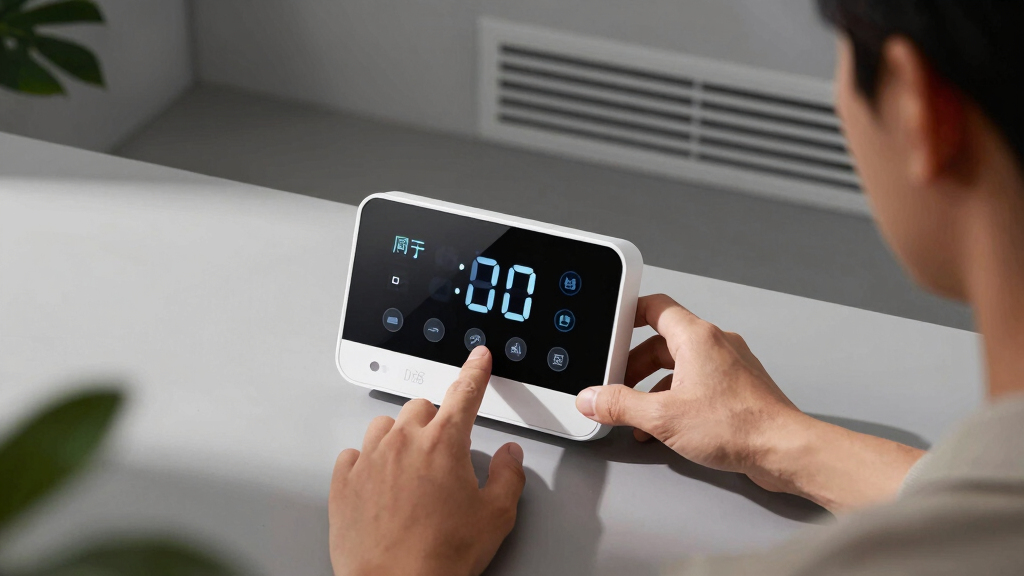
This model stands out for its ability to monitor seven metrics simultaneously, including PM2.5, PM10, CO2, VOCs, noise, temperature, and humidity, offering a comprehensive view of indoor air quality. Its replaceable PM sensor simplifies maintenance and prolongs device lifespan, a feature not common in most affordable monitors like the Amazon Smart AQM. The 4″ high-resolution touchscreen provides clear, color-coded indicators for quick assessment, making it ideal for users who want detailed insights at a glance. However, compared with the Amazon model, it lacks formaldehyde measurement and has limited battery life, requiring constant USB power. This pick is best for those who want detailed, customizable data and are willing to handle a slightly more complex setup. It’s not suited for users seeking a simple, plug-and-play device or with limited space for a dedicated monitor.
Pros:- Provides detailed monitoring of 7 different air quality metrics
- Replaceable PM sensor simplifies long-term maintenance
- High-resolution touchscreen for easy, at-a-glance readings
- Supports remote monitoring via app
Cons:- Requires continuous USB power, limiting portability
- Does not measure formaldehyde or other specific VOCs
- Slightly more complex setup compared to simpler monitors
Best for: Users who want a detailed, customizable indoor air quality report with easy maintenance and are comfortable with a slightly more involved setup.
Not ideal for: Casual users or those seeking a simple, Alexa-compatible device without the need for extensive metrics or maintenance.
- Monitoring Metrics:PM2.5, PM10, CO2, VOCs, Noise, Temperature, Humidity
- Display:4-inch IPS touchscreen
- Sensor Replacement:Replaceable PM sensor
- Connectivity:Wi-Fi (2.4GHz & 5GHz)
- Power:USB powered (5V⎓1A)
- App Support:Qingping+ app for remote monitoring
Bottom line: This monitor is ideal for users who need in-depth air quality data and are prepared for a more involved setup and maintenance routine.
Amazon Smart Air Quality Monitor – Know your air, Works with Alexa
This device makes the most sense for those who prioritize simplicity and smart home integration. Its core strength lies in tracking five key factors: PM 2.5, VOCs, CO, humidity, and temperature, providing a clear, color-coded LED indicator and an air quality score in the Alexa app. Compared with the Qingping model, it offers automatic calibration and effortless setup through Alexa, making it accessible even for users unfamiliar with technical details. However, it lacks detailed metrics like PM10 or formaldehyde, and its data presentation is less granular. This monitor is ideal for users seeking basic air quality monitoring that integrates seamlessly into an existing Alexa ecosystem. It’s less suited for individuals who want detailed, customizable data or are concerned about precise VOC types or sensor maintenance.
Pros:- Simple setup with Alexa integration
- Color-coded LED and app-based air quality score
- Auto calibration reduces maintenance
- Compact, unobtrusive design
Cons:- Limited metrics—does not measure formaldehyde or PM10
- Less detailed data compared to more advanced monitors
- Dependent on Alexa ecosystem for full functionality
Best for: Homeowners who want quick, reliable air quality updates with minimal setup and are already using Alexa devices.
Not ideal for: Users requiring detailed, multi-metric analysis or those without Alexa-compatible smart devices, as it offers limited data granularity.
- Monitoring Factors:PM 2.5, VOCs, CO, Temperature, Humidity
- Connectivity:Wi-Fi, Bluetooth
- Dimensions:65x65x45mm
- Power:Micro-USB (adapter included)
- Calibration:Auto, self-cleaning at startup
- Compatibility:Works with all Echo devices and Alexa app
Bottom line: This monitor is perfect for users seeking an easy-to-use, Alexa-compatible device for basic air quality awareness without the fuss of extensive data analysis.

How We Picked
Products were selected based on their sensor capabilities, usability, build quality, and compatibility with smart home systems. We prioritized options offering comprehensive air quality data, including pollutants relevant to studio environments such as VOCs, CO2, and particulate matter. Ease of installation and app usability also played a role, along with value for price. The ranking balances these factors, favoring devices that deliver accurate, real-time insights with straightforward setup, while acknowledging that more advanced monitors often come at a higher cost and complexity.Factors to Consider When Choosing Best Smart Air Quality Monitor For Studios
Choosing the right smart air quality monitor for a studio requires considering several factors beyond basic features. The right device should align with your specific needs—whether you prioritize comprehensive pollutant detection, smart home integration, or budget constraints. Understanding these factors helps avoid common mistakes, like overpaying for unnecessary sensors or choosing a device that doesn’t fit your existing smart setup.Sensor Capabilities and Data Accuracy
When selecting a monitor, consider which pollutants are most relevant to your studio. Sensors for VOCs, CO2, PM2.5, and radon provide a fuller picture of indoor air quality. Higher-quality sensors tend to be more accurate but also more expensive. Avoid basic monitors that only track temperature and humidity if you need detailed pollutant data, but also beware of overly complex devices that may overwhelm casual users with unnecessary information.
Smart Home Integration and Connectivity
Integration with platforms like Alexa, Google Home, or proprietary apps can greatly improve usability. Devices with seamless smart home compatibility allow for alerts, automation, and remote monitoring, which are beneficial in a studio setting. However, some monitors require Wi-Fi or Bluetooth, which might introduce setup complexity or connectivity issues. Prioritize compatibility with your existing smart ecosystem to avoid frustration.
Ease of Use and Display
Monitors with clear, real-time displays and intuitive apps make it easier to interpret data quickly. For studios, where constant monitoring might be necessary, ease of setup and straightforward controls matter. Beware of overly complicated interfaces or monitors that require frequent calibration, as these can detract from their practicality in a busy environment.
Build Quality and Maintenance
Durability matters, especially if you plan to keep the monitor in a studio long-term. Devices with good build quality and reliable sensors reduce the need for frequent replacements or recalibrations. Consider factors like battery life if wireless, and whether the device is portable or needs a dedicated corner. Cheaper models may require more maintenance, which could add to overall costs.
Price and Value
While budget options can be appealing, they often sacrifice some sensor accuracy or features. High-end monitors provide more comprehensive data and durability, but at a higher cost. Striking a balance between affordability and features depends on how critical precise air quality data is for your studio. Evaluate whether spending more translates into meaningful benefits for your environment.
Frequently Asked Questions
Do I need a monitor that detects radon in my studio?
Radon is a radioactive gas that can accumulate indoors, especially in poorly ventilated spaces. If your studio is in a basement or an area with known radon issues, choosing a monitor like the Airthings View Plus with radon detection makes sense. For most typical studio environments, radon isn’t a primary concern, but including it can offer peace of mind if you want the most comprehensive indoor air assessment.
How important is smart home integration for a studio monitor?
Smart home integration enhances convenience, allowing you to receive alerts, set automations, and monitor air quality remotely. If you already use Alexa, Google Assistant, or similar systems, choosing a compatible monitor simplifies setup and enhances usability. However, if you prefer a straightforward device without smart features, simpler models can still provide valuable air quality data without the added complexity.
Should I prioritize real-time data or historical records?
Real-time data is vital for immediate awareness of air quality issues, especially if you need to respond quickly to pollutants. Historical records help track trends over days or weeks, informing long-term improvements. A monitor offering both capabilities can be more versatile, but if immediate response matters most, focus on devices with fast refresh rates and instant alerts.
Are more sensors always better for a studio environment?
More sensors provide a broader view of indoor air quality, but they also increase cost and complexity. For studios, focus on sensors that measure pollutants relevant to your environment—CO2, VOCs, PM2.5, and radon—rather than every possible parameter. Overloading with sensors can lead to unnecessary data and confusion, so select a device tailored to your specific needs.
Is it worth paying more for a professional-grade monitor?
Professional-grade monitors offer higher accuracy, more detailed data, and often longer-term durability. If your studio’s air quality directly impacts health, safety, or high-stakes projects, investing in a premium device makes sense. For casual or hobbyist use, more affordable models still provide valuable insights, but they may lack the precision and reliability of higher-end options.
Conclusion
For general studio environments where comprehensive air quality monitoring is desired, the Airthings 2960 View Plus offers the best overall combination of features and usability. If budget is a concern, the Amazon Smart Air Quality Monitor provides smart home compatibility at a lower price point, perfect for casual monitoring. Those seeking high precision and professional-grade data should consider higher-end models like the BREATHE Airmonitor Plus. Beginners or casual users benefit from simple, plug-and-play devices, while dedicated studios requiring detailed data should prioritize monitors with multiple sensors and robust connectivity. Ultimately, your choice depends on how critical accurate, ongoing air quality insights are for your studio’s environment. As an affiliate, we earn on qualifying purchases.Evergreen bestsellers Picks

Ninja Foodi Smart 6-in-1 Indoor Grill and Air Fryer, 4 qt, FG551

Dyson Purifier Cool PC2 De-NOx

De'Longhi Stilosa Compact Manual Espresso Machine with Milk Frother