
When you get a second piercing, it might feel different because your body heals faster and forms scar tissue more quickly, which can change sensation. Your nerve endings may adjust or become less sensitive, while scar tissue can increase or alter nerve activity. This reshaping of tissue and nerves makes the experience feel unfamiliar, even in the same spot. To understand more about these changes and what to expect, keep exploring the science behind your body’s responses.

Get beauty and skincare favorites delivered free with Prime
- Fast, free delivery on millions of items
- Prime Video, Amazon Music and more included
- Member-only deals all year
Key Takeaways
- Prior scar tissue can alter tissue resilience, making the second piercing feel different or more sensitive.
- Nerve regeneration may change sensation, leading to increased or decreased sensitivity during the second piercing.
- Healing is faster and tissue responds differently due to previous immune response and tissue trauma.
- Sensory perception can shift, causing the area to feel less pain or develop new sensitivities.
- Psychological factors and expectations influence how the second piercing is perceived compared to the first.
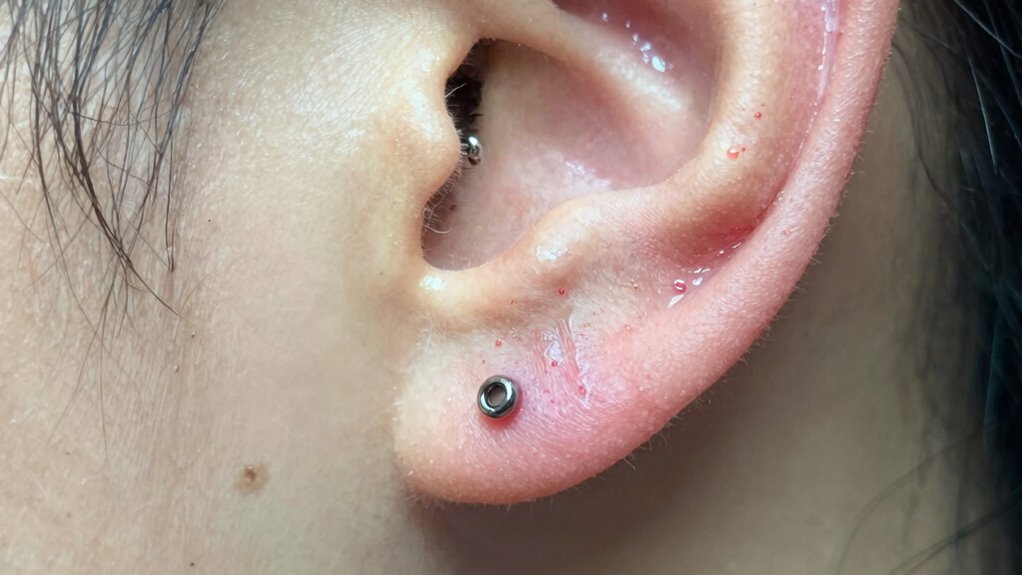
Getting a piercing again can feel quite different from your first experience, and it’s common to notice changes in sensation. When you decide to get a second piercing, your body’s response isn’t exactly the same as it was initially. The healing process tends to be quicker, and your sensory perception may have shifted due to the previous piercing. This means you might feel less discomfort or pain during the healing stage, but you could also notice new sensations or sensitivities that weren’t there before. Your body remembers the previous trauma, and that body memory can influence how you perceive the new piercing.
A second piercing often heals faster and feels different due to your body’s prior experience and adaptation.
The healing process for a second piercing often moves faster because your body has already developed some immunity and healing mechanisms. Scar tissue may form more quickly, and your skin might be less prone to irritation. However, because of this, you may also experience different sensations during healing. For example, some people report feeling a duller or more muted sensation in the pierced area, while others find that they’re more sensitive. This variation largely depends on how your body has adapted after the first piercing. The tissue may be more resilient or, conversely, slightly more fragile depending on how well you’ve cared for the first piercing and how the tissue healed. Additionally, scar tissue formation can influence the overall sensation and healing process.
Furthermore, tissue healing can be affected by your body’s ability to regenerate nerve endings, which may alter the sensation experienced during and after healing.
Sensory perception plays a significant role in how you experience a second piercing. After the initial healing, your nerve endings have adjusted, and you might notice that the area is more or less sensitive than before. Sometimes, the area becomes less sensitive over time due to nerve desensitization, leading to a different feeling when the piercing is fresh or during touch. Conversely, it might become more sensitive if scar tissue causes increased nerve activity. These changes can make the experience feel unfamiliar even if you’ve had a piercing in the same spot before. Additionally, your psychological response influences how you perceive the new piercing. Knowing what to expect can make the process less intimidating, but it can also heighten your awareness of sensations. You may notice subtle differences in discomfort or pleasure, which can alter your overall perception of the piercing experience. It’s natural for your body to react differently based on previous experiences, and understanding these variations can help you prepare for the new sensation, whether it’s more muted or unexpectedly heightened. nerve regeneration also plays a role in how sensations are felt during and after healing, making each experience uniquely different despite similarities.
Products Worth Considering

Hyperice Hypervolt Go 3 Percussion Massage Gun with Carry Case

Therabody Theragun Relief Massage Gun, 3-Speed, Black

BowFlex Results Series SelectTech Dumbbells
As an affiliate, we earn on qualifying purchases.
Frequently Asked Questions
Does the Type of Jewelry Affect the Piercing Sensation Second Time?
Yes, the type of jewelry affects your piercing sensation the second time. Jewelry material influences comfort—softer, hypoallergenic materials like titanium or gold can reduce irritation. Jewelry size also matters; larger or heavier pieces may stretch or put pressure on your piercing, altering how it feels. Switching to the right material and size can make your second piercing experience more comfortable and less sensitive, helping your healing process go smoothly.
Can Emotional Factors Influence How a Second Piercing Feels?
Think of your emotional resilience as a shield; it can influence how a second piercing feels. When you have strong emotional resilience, you’re better equipped to handle discomfort, making the sensation more manageable. Conversely, memory associations with past pain can heighten sensitivity, making the second piercing feel more intense. Your emotions shape your perception, so staying positive and relaxed can help you experience the piercing with less discomfort.
Is Pain Perception Different Based on the Piercing Location?
Yes, pain perception varies based on the piercing location because of differences in pain sensitivity and nerve response. Some areas have more nerve endings, making them more sensitive, while others are less responsive. Your body’s nerve response can adapt over time, so a second piercing in the same spot might feel less painful. However, locations near bones or nerve-rich areas tend to cause more discomfort, regardless of previous piercings.
How Does Healing Time Impact the Second Piercing Experience?
Imagine your skin as a delicate canvas, healing awareness shaping each new mark. When you get a second piercing, the healing process influences how you feel—scar sensitivity may heighten, making the area more tender or reactive. If the first piercing healed well, the experience might be smoother and less painful, but if it took longer, you could notice more discomfort, emphasizing the importance of patience and proper aftercare during healing.
Are There Age-Related Differences in Piercing Sensations?
Yes, age-related differences can influence your piercing sensations. Younger individuals often have higher sensitivity due to thinner skin and more active nerve endings, leading to more intense feelings. As you age, sensation variability may decrease because skin becomes thicker and nerves less responsive. Your age impacts how sharply you feel the piercing, making experience unique at different life stages. Always consider these factors for a comfortable piercing experience.
Conclusion
So, next time you get pierced again, don’t be surprised if it feels like your earlobe just decided to throw a party with fireworks and fireworks-only! Your body remembers the drill—sometimes with the enthusiasm of a drama queen. It’s like your skin’s throwing a tantrum or giving you a VIP pass to the pain parade. Just brace yourself, because second piercings are basically the rock stars of the pain world—bolder, louder, and definitely more dramatic!