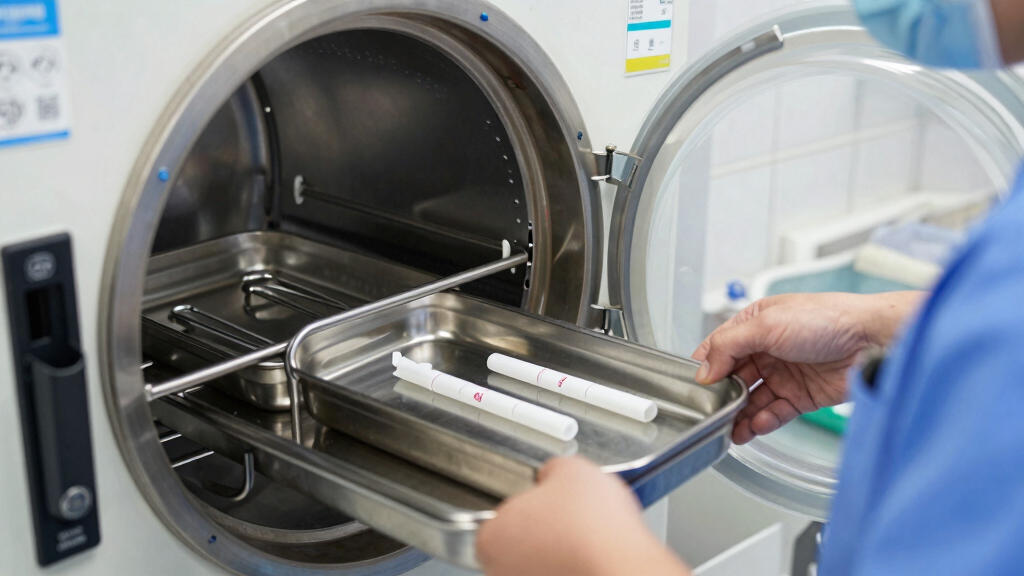
Choosing the best autoclave safe instrument trays requires balancing durability, size, and ease of sterilization. The Grafco Stainless Steel Instrument Tray stands out for its robust metal construction, ideal for heavy-use environments. The Dental Plastic Sterilization Tray Box offers lightweight convenience and affordability, perfect for smaller practices. However, tradeoffs exist: stainless steel trays tend to cost more and can be heavier, while plastic options might not withstand repeated sterilizations as long. Continue reading to see a detailed comparison that helps you find the tray that fits your specific needs.

Get beauty and skincare favorites delivered free with Prime
- Fast, free delivery on millions of items
- Prime Video, Amazon Music and more included
- Member-only deals all year
Key Takeaways
- Stainless steel trays like Grafco excel in durability but come at a higher price point.
- Plastic trays, such as those from EustomA or Cynamed, offer affordability and lighter weight, ideal for quick use or limited budgets.
- Silicone mats improve sterilization safety by protecting instruments and preventing scratches, a feature present in several top picks.
- Size options vary widely—from compact S models to large trays—so matching tray size to your instrument volume is essential.
- Ease of cleaning and maintenance significantly impacts long-term usability, with metal and high-quality plastic options leading the way.


More Details on Our Top Picks
Dental Plastic Sterilization Tray Box Instrument Autoclavebale Detachable Stand Box Holder with Silicone Mat (Large)
This large plastic tray offers an excellent balance of durability, ease of use, and compatibility with standard autoclaves, making it a top choice overall. Unlike the Grafco Stainless Steel Instrument Tray, it’s made from high-quality plastic that resists corrosion and is lightweight, which simplifies handling and cleaning. The silicone mat provides effective protection and fixation for instruments, ensuring they stay in place during sterilization. Its design features a smooth opening and closing mechanism, plus a lid and hole to keep tools organized. The primary tradeoff is that plastic may scratch or degrade over many cycles compared to stainless steel, but for most regular sterilization needs, this isn’t a concern. This tray makes the most sense for clinics needing a combination of ease, durability, and cost-efficiency without sacrificing safety.
Pros:- High-quality, corrosion-resistant plastic construction
- Includes silicone pad for instrument protection and fixation
- Smooth opening/closing with lid and organizational hole
- Resistant to high temperatures up to 134°C
Cons:- Plastic may crack or degrade after extensive cycles compared to metal
- Less robust in heavy, continuous use environments
Best for: Dental clinics or small medical practices seeking reliable, autoclavable instrument storage with easy maintenance.
Not ideal for: Facilities requiring heavy-duty, long-term use in high-volume environments where stainless steel may last longer.
- Material:High Quality Grade plastic and Silicone
- Temperature Resistance:Up to 134°C
- Design:Detachable stand, lid, hole for organization
- Size:Large (unspecified dimensions but suitable for standard instruments)
- Durability:Corrosion resistant and durable
- Cleaning:Easy to clean silicone pad
Bottom line: Ideal for practices needing a lightweight, autoclavable tray that combines durability with straightforward maintenance.
EustomA Autoclavable Instruments Sterilization Tray Case Plastic with Silicone Mat Storage Box S/M/L Size for Instruments/Tools (S)
This tray case excels in offering versatile sizes and reliable protection at an attractive price point. Compared with the Grafco Stainless Steel Tray, it’s made from durable plastic that withstands high temperatures up to 134°C, with a silicone mat to secure instruments during sterilization. Its smooth lid and organized design make handling straightforward, and the various size options (S, M, L) cater to different needs, especially in smaller clinics or for specific instrument sets. The tradeoff is that plastic, while affordable, may not last as long as stainless steel under heavy use, and its appearance might not be as premium. This pick makes the most sense for budget-conscious practices or those with limited storage space that still require safe, autoclavable options.
Pros:- Available in compact S, M, and L sizes
- Made from durable, high-temperature resistant plastic
- Includes silicone pad for instrument stabilization
- Smooth, easy-to-operate lid with organization hole
Cons:- Plastic may wear or crack over extended cycles
- Less long-term durability compared to stainless steel
Best for: Small dental or medical practices needing a compact, cost-effective sterilization tray in multiple sizes.
Not ideal for: Large facilities with high-volume sterilization needs that require more durable, long-lasting metal trays.
- Material:High Quality Plastic
- Temperature Resistance:Up to 134°C
- Size Options:S, M, L
- Design:Smooth lid, organizational hole
- Protection:Silicone pad for instruments
- Durability:Corrosion resistant
Bottom line: Best suited for smaller clinics seeking versatile, economical, and autoclavable instrument trays.
Grafco Stainless Steel Instrument Tray, Large Size, Metal Surgical Mayo Tray for Medical & Dental Use, 3262
The Grafco stainless steel tray provides a robust, long-lasting solution for demanding sterilization environments. Its seamless construction from 18/8 medical-grade stainless steel ensures resistance to rust, corrosion, and repeated autoclaving, outperforming plastic options like the EustomA Tray in durability. The large size (15-1/8″ x 10-1/2″) offers ample space for organizing multiple instruments securely. Its polished, smooth finish allows for quick sterilization and easy cleaning, reducing dirt traps and contamination risk. The main tradeoff is its weight and cost; stainless steel trays are bulkier and more expensive than plastic equivalents, but they excel in longevity and high-volume settings. This tray makes the most sense for high-use hospitals, dental clinics, or labs where durability and sterilization reliability are paramount.
Pros:- Made from 18/8 medical-grade stainless steel
- Seamless, polished surface for easy sterilization
- Resists rust and corrosion over many cycles
- Generous large size for multiple instruments
Cons:- Heavier and less portable than plastic trays
- Higher initial cost
Best for: High-volume healthcare facilities needing long-lasting, corrosion-resistant sterilization trays.
Not ideal for: Small practices or clinics with limited storage space or budget constraints, where lighter, more affordable options suffice.
- Material:18/8 Medical-Grade Stainless Steel
- Size:15-1/8″ x 10-1/2″
- Finish:Polished, Seamless
- Autoclavable:Yes
- Durability:Rust-resistant and long-lasting
- Use case:Hospitals, Dental Offices, Labs
Bottom line: Best suited for high-use environments where durability and sterilization integrity are critical.
ARTMAN INSTRUMENTS Silicone Mat 7″X11″ Blue for 20 Instruments Autoclave Sterilization Cassette Tray Surgical Dental
The ARTMAN silicone mat offers an innovative approach to instrument organization during sterilization. Its 7″ x 11″ size fits most cassette trays, providing a non-slip, cushioning surface that prevents instruments from shifting. Unlike rigid trays, this silicone mat can be cut into smaller sections, giving it a flexibility edge over traditional solid trays like the Graphco Stainless Steel Tray. The silicone’s high-temperature resistance ensures safety up to autoclave standards, although repeated cycles may cause the material to harden over time. Its vibrant blue color improves instrument visibility and reduces the risk of mix-ups, making it ideal for busy dental or surgical practices that need customizable organization solutions. The tradeoff is that silicone mats generally aren’t as durable as metal trays for long-term, high-volume sterilization.
Pros:- Flexible, cut-to-size silicone material
- Non-slip surface prevents instrument shifting
- High-temperature resistant up to autoclave standards
- Vibrant blue color enhances visibility
Cons:- Silicone may harden or degrade after many cycles
- Less durable than metal trays for heavy, continuous use
Best for: Dental or surgical offices needing adaptable, non-slip instrument organization during sterilization.
Not ideal for: High-volume facilities requiring maximum durability and long-term use, where metal trays are preferable.
- Material:High-Quality Silicone
- Size:7″ x 11″
- Color:Vibrant Blue
- Temperature Resistance:Up to autoclave standards
- Flexibility:Can be cut or shaped
- Design:Non-slip, cushioning
Bottom line: Best suited for practices seeking customizable, non-slip organization with moderate sterilization cycles.
Dental Autoclave Sterilization Cassettes Rack Dental Sterilizer Box Instrument Cassette Sterilizing Tray Container Cool Sterilization Plastic Tray (Upgrade Version- 4 Color)
This sterilization cassette rack combines durability, high-temperature resistance, and visual organization with a 4-color system for easy identification. Made from high-quality PP material, it withstands autoclave temperatures up to 135°C without deforming or fading, outperforming less heat-resistant plastic options. Its larger internal dimensions (7.87″ x 1.54″ x 1.54″) allow for longer instruments, making it more versatile than smaller trays like the ARTMAN Silicone Mat. The safety snap cover ensures secure closure during cycles, and the vibrant color choices aid quick instrument identification. The main tradeoff is that plastic, although durable, may not last as long as stainless steel under extremely heavy or prolonged use. This tray is an excellent choice for busy dental practices needing a reliable, colorful, and heat-resistant sterilization container.
Pros:- High-quality PP material resistant to 135°C
- Large internal size for longer instruments
- Secure snap cover for safety
- Color-coded system for easy organization
Cons:- Plastic may discolor or degrade over many cycles
- Less durable than metal trays for intensive use
Best for: Dental clinics requiring a durable, color-coded, autoclavable instrument tray for frequent sterilization.
Not ideal for: Facilities with extremely high-volume sterilization needs or a preference for metal trays for maximum longevity.
- Material:High-Quality PP
- Temperature Resistance:Up to 135°C
- Size:7.88″ x 1.78″ x 1.78″
- Color Options:4 (Upgrade Version)
- Closure:Safety snap cover
- Use case:Dental sterilization
Bottom line: Ideal for busy dental clinics seeking a reliable, heat-resistant, and visually organized sterilization tray.
TTKBHHQ-Dental Instrument Sterilization Box, Cold Sterilization Tray Depository for Plastic Instruments for Dentistry, Dental Tools, Tattooing, and Nail Care
This plastic sterilization tray excels in disinfection suitability, especially for small instruments that require quick turnaround. Compared to metal trays like the Grafco Stainless Steel Instrument Tray, this model offers a leak-proof, odorless, and non-toxic design that is easier to clean and handle. Its automatic drain feature when opening the lid simplifies sterilization and drying processes, making it ideal for busy dental or nail salons. However, being made of high-quality plastic, it lacks the robustness of steel options and might be less durable under heavy, repeated use. The foldable handle enhances portability, but the overall capacity is more limited than larger metal trays. This pick makes the most sense for clinics prioritizing rapid cleaning and disposal, not for long-term heavy-duty sterilization needs.
Pros:- Automatic drain on lid opening simplifies sterilization and drying.
- Leak-proof, odorless, and non-toxic plastic ensures safety and easy cleaning.
- Detachable, foldable handle enhances portability and access.
Cons:- Limited durability compared to metal trays, potentially less suitable for frequent, heavy use.
- Smaller capacity may not accommodate larger instruments or high-volume sterilizations.
Best for: Dental, tattoo, or nail care professionals needing quick, disposable-friendly sterilization solutions.
Not ideal for: Facilities with high-volume, heavy-duty sterilization requirements that demand more durable, long-lasting trays.
- Material:High-quality plastic
- Dimensions:26.5 cm x 8.5 cm x 11 cm
- Weight:400 grams
- Leak-proof:Yes
- Odorless:Yes
- Toxicity:Non-toxic
Bottom line: This tray is ideal for practices needing quick, single-use disinfection, sacrificing long-term durability for convenience.
Dental Autoclave Sterilization Cassette Rack Box Tray, Plastic Sterilizing Tray Organizer Dental Instrument Sterilizer Box Case Container Large
This sterilization cassette is tailored for longer dental instruments, offering a spacious design with a safety snap cover that keeps tools secure during autoclaving. Compared to the Plastic Autoclavable Instruments Storage Box S/M/L, this model provides a larger internal space, making it better suited for longer or bulkier tools. Its durable PP material withstands autoclaving temperatures up to 135°C without deformation or fading, ensuring reusability. The secure snap closure prevents accidental opening during sterilization cycles, but the large size may be cumbersome for smaller setups or limited counter space. Its high-temperature resistance makes it a reliable choice for busy dental clinics, although it may be overkill for those handling only small instruments or requiring a compact tray. This makes the most sense for clinics with longer or more numerous tools, not for those needing compact storage.
Pros:- Large internal size accommodates longer instruments comfortably.
- High temperature resistance up to 135°C ensures durability and reusability.
- Secure snap cover prevents accidental opening during sterilization.
Cons:- Bulkier design may be less suitable for small or cluttered workspaces.
- Larger size could be inconvenient for handling or storage in limited areas.
Best for: Dental clinics or laboratories requiring large, secure storage for longer instruments during sterilization.
Not ideal for: Small practices or setups with limited space that need compact, space-saving trays.
- Material:PP plastic
- External Dimensions:205 x 45 x 45 mm
- Internal Dimensions:200 x 40 x 40 mm
- Temperature Resistance:135°C
- Closure Type:Snap
- Color:Purple
Bottom line: This cassette rack is perfect for larger dental tools needing secure, spacious sterilization, but may be too bulky for compact setups.
Plastic Autoclavable Instruments Storage Box S/M/L Size For Instruments Sterilization Tray Case with Silicone Mat (S SIZE)
This storage box is highly versatile, suitable for small to medium-sized instruments, with a durable, corrosion-resistant plastic body and a soft silicone pad that protects tools during sterilization. Compared to the TTKBHHQ-Dental Instrument Sterilization Box, it offers a more flexible size range and a silicone pad that aids in preventing scratches and fixing tools in place. Its high-temperature tolerance up to 134°C makes it reliable across standard sterilization cycles, while the smooth opening and closing facilitate quick access. Nonetheless, as a plastic box, it may not withstand heavy, repeated use as long as metal trays do, and its size options might be limited for very large tools. The silicone mat adds an extra layer of protection but slightly reduces internal space. This tray makes the most sense for practices needing adaptable, gentle storage for small to medium instruments, not for high-volume or heavy-duty sterilizations.
Pros:- High durability and corrosion resistance in plastic and silicone.
- High temperature tolerance up to 134°C for standard autoclave cycles.
- Smooth opening and closing, with silicone pad protecting tools.
Cons:- Plastic construction may be less durable than metal for heavy-duty use.
- Size options might be limited for very large instruments.
Best for: Practitioners needing flexible, gentle storage options for small to medium instruments in sterilization cycles.
Not ideal for: High-volume sterilization environments or heavy tools requiring durable, long-lasting metal trays.
- Material:Plastic with silicone pad
- Size options:S, M, L
- Temperature resistance:134°C
- Design:Smooth opening/closing with lid
- Color:Varies
- Dimensions:Size dependent
Bottom line: This versatile plastic box is well-suited for gentle, flexible storage of small to medium instruments, but less ideal for heavy, high-volume sterilizations.
JMU Dental Procedure Trays Autoclavable Set Up Flat Trays Size B 13.25″ X 9.75″, Plastic Instrument Trays (Blue)
This tray stands out for its sturdy polypropylene construction and large capacity, making it a practical choice for dental and medical environments. Compared with metal sterilization trays like the Grafco Stainless Steel Instrument Tray, it offers a lightweight, shatter-resistant alternative that’s easier to handle and clean. Its non-slip foot pads improve stability, even on smooth surfaces, which is essential in busy clinics. However, being plastic, it may be less durable under heavy impacts or prolonged sterilization cycles, and it lacks the high-end aesthetic of premium metal options. This pick makes the most sense for clinics prioritizing affordability, ease of use, and multi-purpose applications such as salons or tattoo parlors where high durability isn’t critical.
Pros:- Sturdy, wear-resistant polypropylene construction
- Large capacity fits all standard dental instruments
- Non-slip foot pads ensure stability on smooth surfaces
- Easy to wipe clean and compatible with autoclave sterilization
Cons:- Plastic material may crack or warp with prolonged high-temperature cycles
- Less durable compared to metal trays for heavy-duty use
- Limited aesthetic appeal and perceived professional quality
Best for: Dental practices, nail salons, or tattoo parlors needing an autoclavable, budget-friendly tray with good stability.
Not ideal for: High-volume surgical centers requiring metal trays for repeated heavy sterilization and impact resistance.
- Material:Polypropylene
- Size:13.25″ x 9.75″
- Temperature Resistance:250°F
- Color:Blue
- Weight:7 ounces
- Application:Dentistry, Medical, Salon, Tattoo
Bottom line: This tray is ideal for budget-conscious clinics or salons that need a reliable, autoclavable plastic solution for general instrument organization.
Instrument Sterilization Cassette Locking Tray Box with Holding Clamps for Up to 14 Dental Tools, Tubes, and Hand Pieces – Detachable Lab Organizer by Cynamed – Orange Removable Silicone
This sterilization cassette excels in durability and space efficiency, thanks to its high-quality, rust-resistant stainless steel construction and stackable design. Unlike the JMU plastic trays, it offers superior heat resistance and longevity, making it suitable for repeated autoclaving without warping or cracking. Its perforated trays ensure even steam distribution, crucial for thorough sterilization. The locking clamps and detachable sections provide flexibility for irregularly shaped instruments, which is a distinct advantage over simpler trays. The main tradeoff involves its heavier weight and potentially higher cost, which could be a downside for clinics seeking lightweight, inexpensive options. This tray is best suited for busy surgical centers or dental practices that prioritize long-term durability and space-saving organization.
Pros:- Made of durable, rust-resistant stainless steel
- Perforated for optimal steam circulation
- Stackable and space-saving design
- Locking clamps and detachable sections enhance versatility
Cons:- Heavier than plastic trays, potentially more cumbersome to handle
- Higher price point compared to plastic alternatives
- Requires more careful cleaning to prevent corrosion over time
Best for: Dental clinics or surgical centers that require durable, space-efficient sterilization solutions with secure locking features.
Not ideal for: Small or low-volume practices that prefer lightweight, cost-effective plastic trays for occasional sterilization.
- Material:Medical Grade Stainless Steel
- Capacity:Up to 14 tools
- Design:Stackable with Locking Clamps
- Perforation:Yes for even steam distribution
- Color:Orange with Silicone
- Temperature Resistance:Autoclave safe
- Additional Features:Detachable sections
Bottom line: This stainless steel cassette is best for high-use environments demanding long-term durability and flexible instrument organization, despite its higher weight and cost.

How We Picked
I evaluated these instrument trays based on several key factors: material quality, sterilization compatibility, size options, ease of cleaning, and overall value. Priority was given to trays that maintain integrity after repeated autoclaving, as well as those that offer practical features like detachable stands or silicone mats. I also considered user reviews and the versatility of each tray for different clinical settings. The ranking reflects a balance between durability, usability, and cost-effectiveness, aiming to recommend options suitable for a range of professional needs.Factors to Consider When Choosing Best Autoclave Safe Instrument Trays
Selecting the best autoclave safe instrument tray involves understanding which features matter most for your practice. Not all trays are created equal, and choosing the wrong type can lead to instrument damage or inefficient sterilization. By considering key factors such as material, size, and design, you can identify a tray that offers both longevity and ease of use, ensuring a smooth sterilization process and protecting your instruments over time.Material Durability and Compatibility
The material of your instrument tray is fundamental. Stainless steel trays offer unmatched robustness, resisting scratches, corrosion, and repeated autoclaving without degradation. Plastic trays, while lighter and more affordable, may warp or degrade over time if not rated for high-temperature sterilization. Silicone mats add an extra layer of protection, preventing scratches and cushioning instruments during sterilization. Consider your volume and frequency of sterilization to choose a material that balances durability with practicality.
Size and Capacity
Matching tray size to your typical instrument load is crucial. Smaller trays (S or M sizes) are suitable for clinics that handle fewer instruments or for specific procedures, while larger trays accommodate bulk sterilizations. Overly large trays may be cumbersome and take longer to sterilize, whereas too small trays could limit your workflow. Think about your typical instrument set and choose a size that offers enough space without excess bulk.
Ease of Cleaning and Maintenance
Ease of cleaning directly impacts tray longevity and sterilization effectiveness. Metal trays with smooth surfaces are generally easier to sanitize thoroughly, whereas trays with complex designs or porous materials can harbor residues. Plastic trays with removable parts or detachable stands simplify cleaning routines. Additionally, trays with features like silicone mats or removable lids add convenience and reduce the risk of contamination or instrument damage.
Design Features and Versatility
Features such as detachable stands, silicone mats, or locking mechanisms enhance usability. Detachable stands allow for easier access and cleaning, while silicone mats protect instruments and provide stability during sterilization. Consider whether you need trays with multiple compartments, adjustable sizes, or specific locking features. These design choices can streamline your workflow and improve safety during sterilization processes.
Cost and Long-Term Value
While budget constraints matter, investing in higher-quality trays can reduce replacement costs and improve sterilization reliability. Metal trays tend to last longer but cost more upfront, whereas plastic trays may save money initially but degrade faster. Evaluate the total cost of ownership, including maintenance and longevity, to find the best value for your practice. Sometimes paying more upfront yields better long-term savings and peace of mind.
Frequently Asked Questions
Can plastic instrument trays withstand repeated autoclaving?
Many plastic trays are designed for autoclaving, but not all plastics are created equal. High-quality, medical-grade plastics with heat-resistant properties can endure multiple sterilization cycles without warping or degrading. It’s important to verify the product specifications and follow manufacturer guidelines to avoid premature failure. For high-volume or frequent sterilizations, metal trays typically offer greater longevity and reliability.
Are silicone mats necessary for instrument trays?
Silicone mats provide a protective cushion for instruments, reducing the risk of scratches and damage during sterilization. They also help keep instruments organized and prevent slipping. While not strictly necessary, they are a valuable addition for maintaining instrument integrity and simplifying cleaning. If your practice handles delicate instruments or requires frequent sterilization, trays with silicone mats can be a worthwhile investment.
What size tray should I choose for a small dental practice?
For a small dental or medical practice, S or M-sized trays are typically sufficient. They offer enough space for common instrument sets without adding unnecessary bulk or complexity. Larger trays may be more suitable if you handle multiple procedures simultaneously, but for routine use, smaller sizes are convenient, easier to sterilize, and store. Consider your typical instrument load to select the most appropriate size.
Is stainless steel or plastic better for autoclave trays?
Stainless steel trays generally outperform plastic in durability, resistance to corrosion, and longevity, especially in high-volume settings. They are easier to sterilize thoroughly and maintain over time. Plastic trays are more lightweight and affordable, making them suitable for low-frequency use or temporary setups. Your choice should depend on your sterilization volume, budget, and whether long-term durability is a priority.
How important are tray features like locking mechanisms or removable stands?
Features such as locking mechanisms and removable stands enhance safety and convenience. Locking mechanisms prevent accidental spills or movement during sterilization, while removable stands facilitate cleaning and instrument access. These features can streamline your workflow, especially in busy clinics, but usually come at an additional cost. Weigh their benefits against your practice’s specific needs and sterilization routines.
Conclusion
For general-purpose use in busy clinics, the Grafco Stainless Steel Instrument Tray offers unmatched durability and reliability as the best overall pick. Practices seeking affordability and lightweight handling should consider the EustomA Autoclavable Plastic Tray, which balances cost with functionality. Those with a focus on high-end, long-term investment will find the Premium Stainless Steel or Silicone Mat-equipped Trays worth the extra expense. Beginners or smaller practices will benefit from simple, compact options like the JMU Blue Plastic Trays, while specialized needs—such as instrument organization with locking features—are best served by dedicated cassette trays like the Cynamed Locking Tray. Consider your workflow, volume, and budget to make the ideal choice.