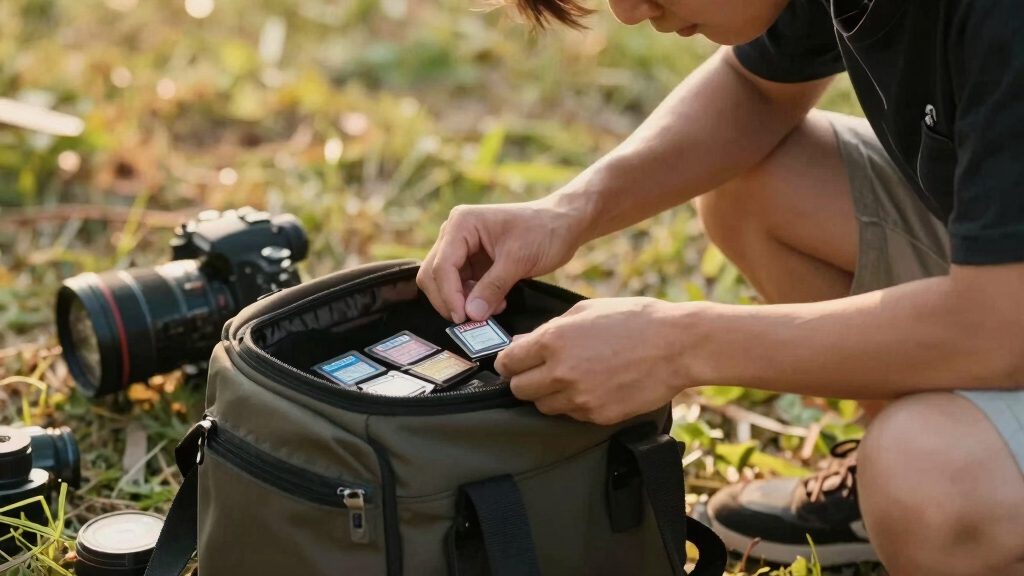
Choosing the right memory card for studio photography involves balancing speed, capacity, and durability. The Lexar 128GB Professional 1667x SD Card stands out as the best overall for its high read speeds and reliability. For those needing massive storage, the SANDISK 256GB Extreme PRO SDXC UHS-I offers ample space with fast transfer rates. Meanwhile, the SANDISK 128GB Extreme PRO SDXC UHS-II provides top-tier performance for 4K and 6K workflows. The main tradeoffs involve balancing speed versus capacity and cost versus durability. Continue reading for a detailed breakdown of these top options and which best fits your studio setup.

Get beauty and skincare favorites delivered free with Prime
- Fast, free delivery on millions of items
- Prime Video, Amazon Music and more included
- Member-only deals all year
Key Takeaways
- Speed and reliability are the primary factors influencing top-tier studio workflow performance.
- UHS-II cards generally offer faster transfer rates, but UHS-I cards can deliver excellent performance at a lower cost.
- Higher capacity cards reduce the need for frequent card swaps during long shoots, but they tend to be more expensive.
- Choosing a card with proven durability and data recovery options can save time and prevent data loss.
- Not all cards are optimized for 4K or 6K workflows, so matching card specs to your camera’s video capabilities is key.


More Details on Our Top Picks
Lexar 128GB Professional 1667x SD Card, UHS-II, C10, U3, V60, Full HD, 4K, Up To 250MB/s Read SDXC Memory Card, for Professional Photographer, Videographer, Enthusiast (LSD128CBNA1667)
This Lexar SD card stands out for its impressive read speeds up to 250MB/s thanks to UHS-II technology, making it ideal for professionals who need quick file transfers and seamless editing. Compared with the SanDisk Extreme PRO UHS-I, this card offers faster read speeds, reducing wait times during workflow. However, the UHS-II interface requires compatible devices to realize its full potential, which can be a limitation for older cameras. Its large capacity up to 256GB supports extended shooting sessions without frequent swaps, and the backwards compatibility with UHS-I ensures versatility. The tradeoff is a higher price point and slightly increased bulk due to the UHS-II design. This pick makes the most sense for photographers and videographers who prioritize speed and workflow efficiency over cost.
Pros:- Exceptional read speeds up to 250MB/s for fast file transfer
- Supports 4K video recording with V60 class rating
- Large capacity options up to 256GB for extended shoots
Cons:- Higher cost compared to UHS-I cards with similar capacity
- Requires UHS-II compatible devices to fully utilize speed
Best for: Professional photographers and videographers working with large, high-resolution files who need fast transfer speeds.
Not ideal for: Casual shooters or owners of older camera models, as UHS-II compatibility is essential to leverage its speed.
- Memory Type:SDXC
- Capacity:128 GB
- Read Speed:250 MB/s
- Write Speed:U3, V60
- Dimensions:1.25″L x 0.95″W
- Compatibility:UHS-II, UHS-I devices
Bottom line: This card is perfect for professionals needing rapid data transfer and large storage, provided their equipment supports UHS-II.
SANDISK 256GB Extreme PRO SDXC UHS-I Memory Card – C10, U3, V30, 4K UHD, SD Card – SDSDXXD-256G-GN4IN
This SanDisk Extreme PRO UHS-I card offers a solid read speed of up to 200MB/s and a capacity of 256GB, making it an excellent choice for enthusiasts and semi-professionals. Compared with the smaller capacity SanDisk Ultra 64GB, this model provides more storage and faster transfer speeds, which is vital for handling large 4K video files. While it doesn’t match the ultra-fast UHS-II speeds of the Lexar, its performance is more than sufficient for most high-resolution photography needs. The card supports 4K UHD recording and is rugged—water, shock, X-ray proof—making it reliable in tough conditions. The main tradeoff is the slightly lower transfer rate compared to the UHS-II options, which could matter during rapid editing workflows. It’s best suited for users who want a good mix of speed, large storage, and affordability.
Pros:- Large 256GB capacity for extensive shooting sessions
- Fast transfer speeds up to 200MB/s for quick data offload
- Rugged design with waterproof, shockproof, and X-ray proof features
Cons:- Not compatible with UHS-II devices to realize maximum speed
- Slightly slower than UHS-II cards like Lexar for professional workflows
Best for: Amateur and semi-pro photographers capturing 4K video and high-res images on compatible UHS-I devices.
Not ideal for: Professionals with UHS-II equipment or those needing the fastest transfer rates for rapid editing workflows.
- Memory Type:SDXC
- Capacity:256 GB
- Read Speed:200 MB/s
- Video Speed Class:V30
- Dimensions:1.26″L x 0.9″W
- Durability:Water, shock, X-ray proof
Bottom line: This card offers a compelling balance of capacity and speed for high-res shooting on UHS-I compatible cameras, at a great price point.
【5-Years Data Recovery】 GIGASTONE 256GB SD Card, 4K Camera Pro, A1 V30 SDXC Memory Card 4K UHD Video Compatible with Canon Digital Camera, with 1 Mini Case
This Gigastone 256GB SD card is designed with long-term data recovery in mind, offering a 5-year limited warranty and robust protection against water, shock, X-ray, and temperature extremes. It supports 4K UHD video recording and features a V30 class rating, making it suitable for serious videographers and photographers who need reliable performance over extended periods. Compared to the SanDisk Ultra, this card emphasizes durability and data recovery, which is essential for fieldwork in challenging environments. Its 100MB/s transfer rate is slower than UHS-II cards but still adequate for most professional video and high-res stills. The main tradeoff is its slower speed, which might slow down workflows involving large raw files or rapid shooting. It’s ideal for users prioritizing safety and durability over maximum transfer speed.
Pros:- 5-year limited warranty with data recovery services
- Rugged, waterproof, shock, and X-ray proof design
- Supports 4K UHD video recording with V30 rating
Cons:- Slower transfer speeds (100MB/s) compared to UHS-II cards
- Lower overall performance for rapid file transfers or high-speed burst shooting
Best for: Field professionals and travelers needing durable storage with long-term data recovery options.
Not ideal for: Users seeking the fastest possible transfer rates for editing workflows or quick data offloading.
- Memory Type:SDXC
- Capacity:256 GB
- Read Speed:100 MB/s
- Video Speed Class:V30
- Warranty:5 years
- Compatibility:Canon, DSLR, 4K camcorders
Bottom line: This card is perfect for those who need durable, long-lasting storage with added safety features for outdoor or long-term use.
Insprinity Photography Idea Cards – Original Deck
While not a traditional memory card, these 72 photography prompt cards serve as an excellent creative resource, encouraging photographers of all skill levels to explore new ideas and develop skills. Compared with technical gear, these cards provide inspiration and can boost confidence in studio or outdoor settings. They are portable, durable, and come with hashtags for social sharing, making them a fun addition to any photographer’s toolkit. The main tradeoff is that they don’t directly influence image quality or workflow speed but can significantly enhance creativity and project variety. This product makes the most sense for beginners, students, or professionals looking to break out of creative ruts.
Pros:- Portable card size, easy to carry in camera bags
- Encourages creative thinking with 72 themed prompts
- Suitable as a gift or classroom resource
Cons:- Does not function as a memory storage device
- Limited to creative inspiration, not technical or workflow enhancement
Best for: Beginners and students seeking to expand their creative horizons and practice new techniques.
Not ideal for: Professional shooters requiring high-speed data storage or rapid transfer capabilities.
- Pieces:72 cards
- Material:Cardstock
- Size:Standard playing card size
- Theme:Photography prompts
- Weight:3.2 ounces
- Use:Creative development
Bottom line: These cards are a fun, inspiring addition for anyone looking to boost creativity and experiment with new photographic ideas.
SANDISK 128GB Ultra SDXC UHS-I Memory Card – Up to 140MB/s, C10, U1, Full HD, SD Card – SDSDUNB-128G-GN6IN
This SanDisk Ultra SD card offers a reliable speed of up to 140MB/s with a capacity of 128GB, making it suitable for casual and mid-range photography. Compared to the UHS-II cards like Lexar 1667x, this model sacrifices some speed for a lower price, which is acceptable for most owners of compact point-and-shoot or entry-level DSLR cameras. Its robust build and full HD support ensure stable performance in everyday scenarios. However, the slower transfer rate may become noticeable during large file transfers or editing high-res images. This choice makes sense for hobbyists or those new to studio photography who want dependable performance without overspending.
Pros:- Affordable price point with 128GB capacity
- Reliable transfer speeds suitable for Full HD video and photos
- Durable, with high compatibility across devices
Cons:- Lower transfer speeds than UHS-II cards like Lexar or SanDisk Extreme
- Not optimal for 4K video or high-speed burst shooting
Best for: Casual photographers or hobbyists working with standard HD and Full HD video, not requiring ultra-fast transfer speeds.
Not ideal for: Professionals or enthusiasts working with 4K video or large RAW files that demand rapid data handling.
- Memory Type:SDXC
- Capacity:128 GB
- Read Speed:140 MB/s
- Speed Class:C10, U1
- Dimensions:1.26″L x 0.9″W
- Warranty:10 years
Bottom line: This card is a cost-effective, dependable option for casual and hobbyist photographers focusing on Full HD media.
SANDISK 256GB Extreme SDXC UHS-I Memory Card – C10, U3, V30, 4K, UHD, SD Card – SDSDXVV-256G-GNCIN
This card stands out for its impressive read speeds of up to 180MB/s powered by SanDisk QuickFlow Technology, making it ideal for professionals shooting 4K UHD videos and high burst-rate photography. Compared with the 128GB Extreme PRO UHS-I, this larger capacity supports longer shoots without swapping cards, but its slightly lower write speeds of 130MB/s may be a bottleneck for extremely rapid sequential shooting. Designed for demanding workflows, it pairs well with high-end cameras needing fast offloads, although it requires compatible devices to fully realize its speed potential. Its capacity and durability—being water, temperature, shock, and X-ray proof—make it suited for studio environments where reliability counts. However, performance may vary depending on device compatibility, and the large capacity can be overkill for casual shooters. Best for professional videographers and photographers handling large 4K files and continuous bursts. Not ideal for casual users with basic cameras or those on a tight budget. Pros: High read speeds (180MB/s), durable design, large 256GB capacity, optimized for 4K UHD. Cons: Slightly lower write speeds than some UHS-II cards, performance depends on device compatibility, premium price point.
Verdict: This card makes the most sense for professionals who need fast, reliable large-capacity storage for demanding studio shoots.- Memory Storage Capacity:256 GB
- Read Speed:180 Megabytes Per Second
- Write Speed:130 Megabytes Per Second
- Speed Class:UHS-I U3, V30
- Video Support:4K UHD
- Durability:Water, temperature, shock, X-ray proof
SanDisk Ultra 64GB Class 10 SDXC UHS-I Memory Card up to 80MB/s (SDSDUNC-064G-GN6IN)
This card is chosen for its balance of speed (up to 80MB/s transfer) and affordability, making it suitable for photographers starting to work with 1080p Full HD video and burst mode stills. Compared to the 128GB Extreme PRO, it offers less capacity but at a significantly lower price, though it may lag in rapid write performance during high-volume shoots. Its durability—being waterproof, temperature-proof, X-ray, and shock-proof—adds reliability in studio or on-location settings. While the transfer speed is impressive for its class, its slower write speeds may limit performance in high-speed continuous shooting or 4K workflows. It is best suited for those with mid-range cameras or less intensive studio applications. Best for enthusiasts and semi-pros working with Full HD video and moderate burst shots. Not ideal for high-end professional workflows involving 4K or faster buffer clearing. Pros: Good transfer speeds (80MB/s), durable build, affordable price, suitable for Full HD. Cons: Limited capacity for large projects, slower write speeds under heavy load, not optimized for 4K video.
Verdict: This card delivers reliable performance for less demanding studio setups or hobbyist work, especially when budget is a concern.- Memory Storage Capacity:64 GB
- Read Speed:80 Megabytes Per Second
- Write Speed:up to 80MB/s
- Speed Class:Class 10, UHS-I
- Video Support:Full HD
- Durability:Water, temperature, X-ray, shock-proof
SANDISK 128GB Extreme PRO SDXC UHS-I Memory Card – C10, U3, V30, 4K UHD, SD Card – SDSDXXD-128G-GN4IN
This card is favored for its rapid read speeds of up to 200MB/s, thanks to SanDisk QuickFlow Technology, making offloading large 4K files swift and efficient. It offers a solid write speed of 90MB/s, suitable for burst shooting and high-quality video recording, especially when paired with high-end cameras. Compared to the 256GB version, it’s a more manageable size for many professional workflows, but its capacity may be limiting for extended shoots or extensive projects. The durability features, including water, shock, and X-ray proofing, add to its studio resilience. Its performance hinges on device compatibility, and the price is higher than lesser-capacity cards. Best for proshooting 4K UHD and burst images in studio or field environments. Not ideal for users with limited budgets or those needing more storage for long sessions. Pros: Blazing fast read speeds (200MB/s), durable, optimal for 4K UHD, solid 128GB capacity. Cons: Price premium, capacity may restrict longer shoots, performance depends on device compatibility.
Verdict: This card is a prime choice for professionals who need rapid data transfer and dependable 4K support, balancing speed with capacity.- Memory Storage Capacity:128 GB
- Read Speed:200 Megabytes Per Second
- Write Speed:90 Megabytes Per Second
- Speed Class:UHS-I U3, V30
- Video Support:4K UHD
- Durability:Water, shock, X-ray proof
SANDISK 128GB Extreme PRO SDXC UHS-II Memory Card – C10, U3, V60, 6K, 4K UHD, SD Card – SDSDXEP-128G-GN4IN
This UHS-II card makes this list for its exceptional offload speeds of up to 280MB/s, ideal for prosumers recording in 6K, 4K, or high-bitrate workflows. It supports shot speeds up to 100MB/s, enabling rapid burst capture crucial for high-end studio work, and its V60 classification ensures reliable 6K and 4K recording. Compared with the UHS-I options, the UHS-II interface offers superior transfer rates, but its higher cost and slightly increased size may be a consideration for some users. Its rugged design guarantees durability in demanding environments, making it suitable for professional-grade studio and field use. However, only compatible with UHS-II devices, which limits versatility, and the price is significantly higher. Best for professional filmmakers and high-resolution studio shooters working with cinema-grade cameras. Not ideal for casual photographers or those with standard UHS-I compatible gear. Pros: Ultra-fast transfer (280MB/s), supports 6K/4K high-bitrate recording, durable, ideal for high-end workflows. Cons: Higher cost, compatibility limited to UHS-II devices, size slightly larger than UHS-I cards.
Verdict: This is a go-to card for high-end cinema and commercial studio productions demanding the fastest offload speeds and maximum reliability.- Memory Storage Capacity:128 GB
- Read Speed:280 Megabytes Per Second
- Write Speed:100 Megabytes Per Second
- Speed Class:UHS-II U3, V60
- Video Support:6K, 4K UHD
- Durability:Water, shock, X-ray proof
SANDISK 64GB Extreme CompactFlash Memory Card UDMA 7 Speed Up To 120MB/s – SDCFXSB-064G-G46
This CompactFlash card is selected for its proven performance in professional DSLR workflows, offering read speeds of up to 120MB/s and write speeds of 85MB/s, making it ideal for fast action and burst photography. Compared to SDXC cards like the Extreme PRO UHS-I, this CF card provides a more traditional, reliable interface favored by high-end DSLR users, especially in studio environments where card durability and speed matter. Its rugged design, including shock and vibration resistance, ensures dependable operation during demanding shoots. Its 64GB capacity, though less than the 128GB or 256GB options, strikes a balance for quick turnaround workflows. Limitations include the need for compatible CF-supporting devices and the declining popularity of CF technology in favor of SD UHS-II. Best for professional DSLR users needing fast, reliable storage. Not ideal for newer mirrorless or hybrid shooters that favor SD cards. Pros: Fast read speeds (120MB/s), durable design, proven reliability, good for burst mode. Cons: Limited capacity, declining compatibility with newer gear, slower than UHS-II SD cards.
Verdict: This CompactFlash card is perfect for studio environments and DSLR shooters who prioritize speed and durability over capacity or newer formats.- Memory Storage Capacity:64 GB
- Read Speed:120 Megabytes Per Second
- Write Speed:85 Megabytes Per Second
- Speed Class:UDMA 7
- Compatibility:Professional DSLR cameras
- Durability:Shock, vibration resistant

How We Picked
These memory cards were selected based on a combination of performance metrics, build quality, and user reviews relevant to studio photography. Priority was given to cards with high read/write speeds essential for handling large RAW files and high-resolution video. Durability and data recovery features also played a role, as studio environments often demand reliable storage solutions. The ranking reflects a balance between speed, capacity, cost, and compatibility, ensuring choices suit a variety of professional workflows and budgets.Factors to Consider When Choosing Best Memory Cards For Studio Photography
When selecting a memory card for studio photography, it’s important to consider several key factors beyond just capacity. Speed is critical for managing large RAW files and 4K or higher video formats without bottlenecks. Compatibility with your camera or drone ensures you don’t face performance issues or connection problems. Durability features like water, shock, and temperature resistance protect your data in demanding environments. Lastly, the card’s data recovery options and warranty can be vital in preventing data loss during critical shoots.Speed and Performance
Speed ratings, particularly UHS Speed Class and Video Speed Class, directly impact how quickly your camera can write data. Fast cards reduce lag when capturing high-resolution images or video, especially in 4K or 6K formats. For studio work involving continuous shooting or large file sizes, prioritize cards with at least UHS-III or V60 ratings. Choosing a slower card can lead to dropped frames or extended processing times, hampering your workflow.
Capacity Needs
Capacities vary widely, from 64GB to 256GB or more. Larger cards mean fewer interruptions during long sessions, but they come at a premium. Consider your typical project size and shooting duration—if you often shoot RAW or in high-res video, opting for higher capacity makes sense. However, a single large card can be a risk if it fails; having multiple smaller cards for backups can mitigate this risk.
Durability and Reliability
Studio environments sometimes introduce hazards like accidental water spills or shocks, making durability features important. Look for cards with water, shock, and temperature resistance. Data recovery options and warranties also add peace of mind, particularly for high-stakes shoots. Investing in reliable, durable cards can prevent costly data loss and downtime, especially when working on critical commercial projects.
Compatibility with Your Equipment
Not all cards work equally well with every camera or workflow. Check your camera’s specifications to ensure compatibility with UHS-II or UHS-I cards, and verify the maximum supported speed class. Using incompatible or lower-rated cards can limit your camera’s performance or cause errors. Matching card features to your gear maximizes efficiency and reduces frustration during shoots.
Cost and Value
High-speed, large-capacity cards tend to be more expensive, but they save time and reduce workflow interruptions. Conversely, budget options may be sufficient for casual or hobbyist work but can hinder professional studio photography. Consider your budget alongside your performance needs—sometimes paying more upfront ensures smoother, faster operations, especially during high-volume shoots.
Frequently Asked Questions
Can I use a UHS-I card for 4K video recording in studio photography?
Yes, many UHS-I cards can handle 4K video recording effectively, especially those with at least U3 and V30 ratings. However, UHS-II cards offer faster transfer speeds, which can reduce processing and transfer times after shooting. If your camera supports UHS-II, opting for a UHS-II card can provide smoother recording and less risk of dropped frames during high-bitrate 4K sessions.
How do I know if a memory card is reliable enough for professional studio work?
Look for cards with high durability ratings such as water, shock, and temperature resistance, along with proven data recovery features. Brands with established reputations like SanDisk and Lexar tend to offer reliable warranties and data recovery services. Reading user reviews specific to professional workflows can also give insight into the card’s real-world durability and reliability.
Is it better to choose a larger capacity card or multiple smaller cards?
Both options have advantages. Larger capacity cards reduce the number of cards you need to carry, but they pose a greater risk if the card fails. Multiple smaller cards limit data loss to a single card failure and offer easier data management. For critical shoots, many professionals prefer a combination: large capacity cards for main storage and smaller ones for backups or specific workflows.
Will a faster card improve my workflow even if my camera doesn’t fully support UHS-II speeds?
In many cases, a faster card can still improve your workflow by reducing transfer and processing times once files are off the camera. However, if your camera’s write speeds are limited, the card’s maximum performance might not be fully utilized during shooting. In such cases, matching your camera’s supported speeds is more cost-effective than overspending on ultra-fast cards.
Are there specific brands or models recommended for studio photography?
SanDisk, Lexar, and GIGASTONE are among the most trusted brands for studio work due to their reliability, warranty, and data recovery features. Choosing a model with high read/write speeds and durability ratings tailored to your workflow ensures smooth operation. Always consider reviews from professional photographers to gauge real-world performance and longevity in studio conditions.
Conclusion
For most professional studio photographers, the Lexar 128GB Professional 1667x SD Card offers a solid balance of speed, reliability, and value, making it the best overall pick. Those with large volume needs should consider the SANDISK 256GB Extreme PRO SDXC UHS-I for its combination of capacity and fast transfer speeds. Beginners or hobbyists might opt for more budget-friendly options like the SANDISK 128GB Ultra SDXC without sacrificing too much performance. For high-end, demanding workflows, the SANDISK 128GB Extreme PRO SDXC UHS-II delivers top-tier performance, especially for 6K and professional video. Ultimately, understanding your specific shooting needs and equipment compatibility will guide you toward the best choice.