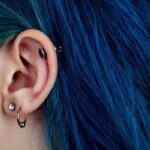
You can absolutely sleep comfortably on your side with cartilage piercings if you make some adjustments. Use softer pillows or special supports to prevent pressure and friction on your ears. Avoid sleeping directly on your piercing to reduce irritation and promote healing. Keep jewelry lightweight and smooth, or consider removing it at night during early healing. With these tips, you can balance restful sleep and a smooth healing process—more insights ahead.
Key Takeaways
- Proper sleep positioning, like sleeping on the back, supports both quality sleep and healing of cartilage piercings.
- Using supportive pillows can reduce pressure and friction, improving sleep comfort and protecting piercings.
- Removing jewelry at night during early healing minimizes irritation and enhances sleep quality.
- Side-sleeping may cause discomfort or delay healing, but adjustments can make it more compatible with healing needs.
- Combining good sleep hygiene with jewelry management ensures both restful sleep and healthy piercing recovery.

Quality sleep plays a crucial role in overall health, but certain habits and accessories can influence how well you rest. If you wear earring jewelry, especially cartilage piercings, you might wonder whether your sleep position impacts healing and comfort. The way you sleep can considerably affect both your cartilage piercings and your sleep quality. Side-sleeping, which many find comfortable, can pose challenges when you have earrings or other jewelry in your ears. Resting directly on your side can put pressure on the piercing site, potentially causing irritation, swelling, or even delaying healing.
To reduce these risks, you’ll want to pay close attention to your sleep positions. If you prefer sleeping on your side, consider adjusting your pillow arrangement. Using a softer pillow or a specialized sleep pillow can help prevent direct pressure on your ear and cartilage piercing. You might also want to avoid sleeping with your face pressed against the pillow, which can cause friction and strain on your jewelry. Alternatively, sleeping on your back is often recommended during the initial healing period because it minimizes contact with the piercing and reduces the chance of accidental tugging or pressure. Additionally, choosing a high-quality pillow can support proper alignment and reduce discomfort.
Your choice of earring jewelry also plays a role in how comfortable you’ll be during sleep. Lightweight, smooth, and hypoallergenic earrings are generally better for healing and sleep comfort. Larger or heavier jewelry can increase discomfort and cause more movement, which might irritate the piercing or disturb your sleep. Some people opt to remove their earrings at night, especially during the early healing phase, but if you choose to keep them in, ensure they are secure and comfortable. Avoid jewelry with sharp edges or dangling parts that can catch on bedding or pillowcases, leading to accidental pulling or damage.
Ultimately, your sleep position and jewelry choices are interconnected. If you’re committed to side-sleeping, take proactive steps to protect your cartilage piercings by adjusting your sleep environment and jewelry selection. This not only promotes better healing but also helps you get restful, uninterrupted sleep. Remember, patience is key; giving your piercings time to heal while adapting your sleep habits can lead to successful healing and a good night’s rest. With the right approach, side-sleeping and cartilage piercings can coexist, allowing you to enjoy both comfortable sleep and healthy piercings.

Sidney Sleep Adjustable Curved Contour Fill Pillow – Queen Size – for Side and Back Sleepers – Neck & Shoulder Comfort Support – Extra Fill Included (White)
MASTER YOUR COMFORT: Are you a side or back sleeper? Our adjustable shredded memory foam bed pillow gives…
As an affiliate, we earn on qualifying purchases.
As an affiliate, we earn on qualifying purchases.
Frequently Asked Questions
Can Cartilage Piercings Affect Overall Skin Health?
Cartilage piercings can affect your overall skin health if you experience piercing infections or skin irritation. These issues may cause redness, swelling, or even scarring if not properly cared for. To keep your skin healthy, follow your piercer’s aftercare instructions, avoid touching the piercing with dirty hands, and watch for signs of infection. Promptly addressing any irritation helps prevent long-term damage and promotes healthy healing.
Are There Specific Sleep Positions Better for Cartilage Piercings?
You should consider your sleep posture carefully to protect your cartilage piercing. Opt for a position that keeps pressure away from your ears, like sleeping on your back or stomach. This improves piercing safety by reducing friction and irritation. Avoid sleeping on your side or with your head pressed against a pillow, as it can cause discomfort and slow healing. Prioritizing the right sleep posture helps maintain your piercing’s health and longevity.
How Long Does It Take for Cartilage Piercings to Fully Heal?
Your cartilage piercing’s healing timeline can feel like an eternity, but patience is key. Typically, it takes about 3 to 12 months to fully heal, depending on your body’s healing speed. To avoid cartilage infection, keep your piercing clean and avoid unnecessary trauma. Remember, rushing recovery might prolong discomfort or cause complications. Trust the process, and you’ll enjoy your beautiful new piercing sooner than you think.
Do Cartilage Piercings Impact Sleep Quality Over Time?
Cartilage piercings can sometimes cause sleep disruption if they develop a piercing infection or become sore. You might find it uncomfortable to sleep, especially if the piercing is irritated or inflamed. Over time, as the piercing heals and you avoid touching or trauma, sleep quality usually improves. However, if infections persist, they can continue to affect your sleep, so proper aftercare and monitoring are essential for comfort.
What Materials Are Safest for Cartilage Jewelry During Sleep?
You’re right to ask about the safest materials for cartilage jewelry during sleep. The truth is, choosing high-quality, hypoallergenic options guarantees material safety and enhances jewelry durability. Surgical stainless steel, niobium, and titanium are your best bets—they’re gentle on your skin and less likely to cause irritation. Don’t cut corners; using safe materials helps prevent discomfort and promotes healing, so you can sleep soundly and keep your piercing happy.
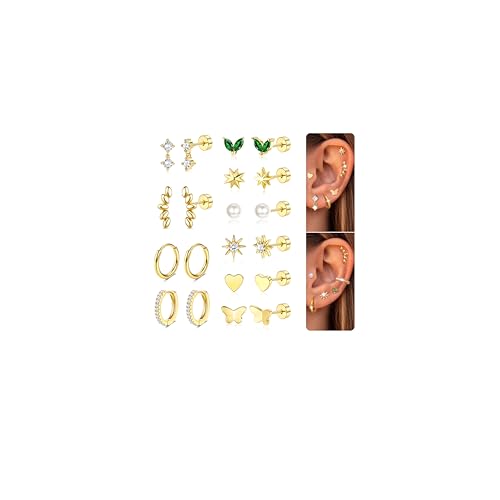
Dochais Surgical Steel Flat Back Earrings Small Cartilage Hoop Earring for Sensitive Ears Women Trendy 14k Gold Flatback Studs Hypoallergenic Earings Stacks Tragus/Helix Piercing, Gold
【COMFORTABLE】 These flat back earrings are internally threaded screw back earrings, which are easy to wear and not…
As an affiliate, we earn on qualifying purchases.
As an affiliate, we earn on qualifying purchases.
Conclusion
Imagine drifting into a peaceful sleep, your head resting gently on the pillow, knowing your cartilage piercings won’t cause discomfort or ruin your rest. With mindful side-sleeping habits and proper jewelry care, you can enjoy restful nights without sacrificing your style. Picture the serenity of deep, uninterrupted sleep, where your piercings become a beautiful part of your nightly routine, blending comfort and self-expression seamlessly. Sleep well, and let your unique style glow even in your dreams.

BASE LABORATORIES Piercing Bump Solution & Keloid Bump Removal | Soothing Piercing Aftercare for Piercing Bumps & Keloid Scar Removal | Ear & Nose Keloid Bumps Piercing Aftercare Solution Oil | 0.5 oz
KELOID BUMP REMOVAL – Visibly reduce the size, redness, hardness and overall appearance of piercing bumps and unsightly…
As an affiliate, we earn on qualifying purchases.
As an affiliate, we earn on qualifying purchases.
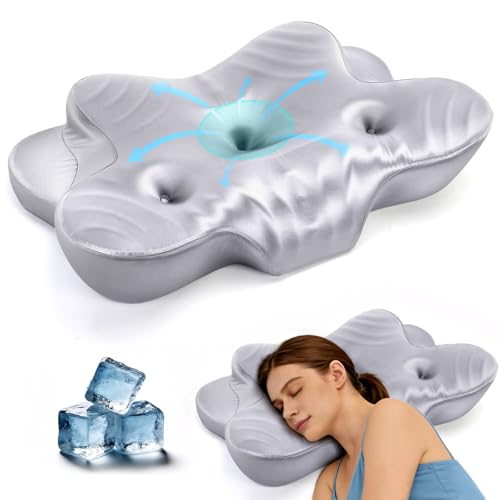
CCidea Dual Ear Relief Zone Contour Pillow, Ice Silk Satin Cervical Memory Foam Pillow for Sleeping, Ergonomic Neck Support for Side, Back & Stomach Sleepers
Tired of ear pressure, numbness or facial indentations upon waking up from side sleeping? Our CCidea cervical pillow…
As an affiliate, we earn on qualifying purchases.
As an affiliate, we earn on qualifying purchases.