
Anodizing titanium jewelry involves immersing the piece in an electrolyte solution and applying an electric charge, which creates a vibrant, durable oxide layer. This process lets you customize colors from soft pastels to bold hues, while also making the jewelry more resistant to scratches and corrosion. It’s a straightforward method that enhances both appearance and strength, offering long-lasting beauty. Continue exploring to discover how different settings and techniques can personalize your jewelry even further.
Key Takeaways
- Anodizing titanium involves electrochemical oxidation to create a durable, colorful oxide layer on the surface.
- The process allows precise control of color, thickness, and surface finish for customized jewelry designs.
- Anodized titanium offers increased resistance to scratches, corrosion, and environmental damage.
- It enhances aesthetic appeal by producing vibrant, interference-based hues from pastel to bold tones.
- The treatment results in long-lasting, resilient jewelry that maintains its appearance over time.
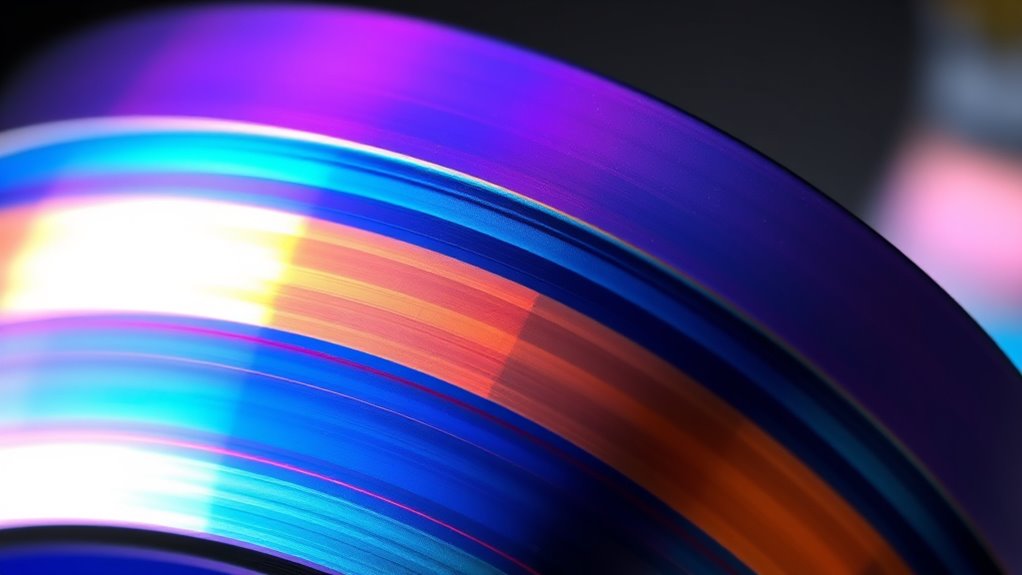
If you’re looking to add vibrant colors and unique finishes to your titanium jewelry, anodizing offers an exciting solution. This process not only transforms the appearance of your pieces but also enhances their surface properties. One of the main attractions of anodizing titanium is the incredible range of color variation it provides. By applying an electrical current, you can produce a spectrum of hues—from subtle pastel shades to bold, striking tones. The colors result from interference effects within a thin oxide layer that forms on the titanium’s surface. Because the thickness of this oxide layer can be precisely controlled, you can achieve consistent, repeatable color effects on your jewelry. This makes anodizing perfect for creating custom pieces or adding a personal touch to existing designs. Additionally, surface finishes created through anodizing can be tailored to achieve different textures and visual effects, further expanding design possibilities.
Beyond the vibrant colors, anodizing also considerably improves the surface durability of your titanium jewelry. The process creates a protective oxide layer that is much harder and more resistant to scratches, corrosion, and tarnish than untreated titanium. This added durability means your jewelry will maintain its beauty longer, even with everyday wear. The oxide layer acts as a shield, preventing environmental damage and reducing the likelihood of surface degradation over time. As a result, anodized titanium jewelry becomes more resilient, which is especially beneficial for pieces that are worn daily or exposed to harsh conditions.
The process itself is relatively straightforward but requires precision. You start by cleaning the titanium thoroughly to remove any contaminants that might interfere with the oxide formation. Then, the jewelry is submerged in an electrolyte solution, often containing acids or salts, and connected to an electrical power source. When the current is applied, an oxide layer forms on the surface. The voltage and duration of the process determine the color and thickness of this layer. After anodizing, the jewelry may be sealed to lock in the color and enhance longevity. Because the process is adaptable, you can experiment with different parameters to create a variety of shades and effects tailored to your preferences.

HBlife Makeup Organizer with Brush Holder for Vanity, Large Plastic Bathroom Countertop Organizer Skin Care Storage, Easy to Store Lipsticks, Nail Polishes, Perfumes, Eyeshadow Palettes, All White
- Large Capacity: 13.58x6.89x9.76 inches with multiple compartments
- Organized Brush Slots: Dedicated slots for brushes, pens, and tubes
- Versatile Use: Suitable for vanity, bathroom, and office
As an affiliate, we earn on qualifying purchases.
Frequently Asked Questions
How Long Does Titanium Anodizing Last Before Fading?
Your titanium anodized jewelry can maintain its vibrant color for several years, typically around 2-5 years, depending on wear and care. Color durability varies with daily use, exposure to chemicals, and cleaning methods. To prolong its vivid appearance, follow maintenance tips like avoiding harsh chemicals, removing jewelry during activities that cause abrasion, and cleaning gently with mild soap. Proper care greatly extends the lifespan of your anodized titanium’s brilliant colors.
Can Anodized Titanium Jewelry Be Repaired if Scratched?
Think of your anodized titanium jewelry as a vibrant painting that can be touched up. If you notice scratches, don’t worry—scratch repair is possible, and you can restore its original beauty. By carefully re-anodizing the affected area, you can achieve color restoration that matches the rest of your piece. With some patience, your jewelry can look as stunning as when you first wore it, maintaining its bright, eye-catching finish.
Is Anodizing Titanium Jewelry Safe for Sensitive Skin?
Yes, anodized titanium jewelry is generally safe for sensitive skin and allergy concerns. You’re less likely to experience irritation because titanium is hypoallergenic, and the anodizing process creates a protective surface that minimizes metal contact with your skin. However, if you have extreme skin sensitivity or allergies, it’s wise to test a small area first or consult with a dermatologist to verify it won’t cause any reactions.
What Environmental Factors Affect Titanium’s Anodized Colors?
Imagine you’re in a Victorian greenhouse as ambient temperature impacts titanium’s surface oxidation. Environmental factors like heat, sunlight, and chemicals can alter its anodized colors, causing fading or discoloration. High temperatures accelerate oxidation, changing the vivid hues. Sunlight and harsh chemicals can degrade the surface finish. To keep your jewelry looking vibrant, store it in a cool, dry place away from direct sunlight and avoid exposure to harsh substances.
Can I Customize Colors Beyond Standard Options?
Yes, you can customize colors beyond standard options through advanced anodizing techniques. By adjusting voltage, electrolyte composition, and current, you have greater control over the color customization process. This allows you to achieve unique, vibrant hues tailored to your preferences. Advanced anodizing opens up a broader palette, enabling personalized jewelry designs that stand out. Experimenting with these parameters helps you create truly one-of-a-kind, beautifully colored titanium pieces.
Conclusion
Think of anodizing titanium jewelry like painting a canvas—you get to transform a blank surface into a vibrant masterpiece. I once watched a friend’s dull bracelet turn into a rainbow of colors, all thanks to this process. It’s remarkable how a simple chemical treatment can reveal such stunning hues and durable finishes. So, whether for personal style or creating a lasting gift, anodizing lets you turn ordinary jewelry into extraordinary art that truly stands out.