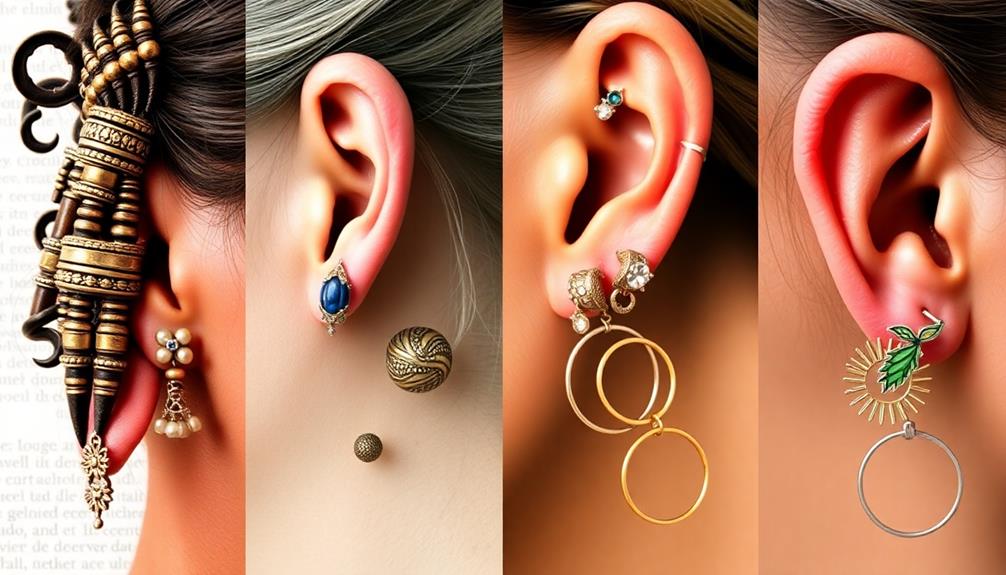

Septum and lip plates are more than body modifications; they symbolize cultural identity, social status, and spiritual beliefs worldwide. In many societies, especially African tribes like the Mursi or Suri, larger plates indicate higher status or rites of passage. These adornments serve as visual stories of tradition, community, and resilience. They communicate heritage and belonging beyond personal aesthetics. If you keep exploring, you’ll uncover even deeper meanings behind these fascinating symbols.

Get beauty and skincare favorites delivered free with Prime
- Fast, free delivery on millions of items
- Prime Video, Amazon Music and more included
- Member-only deals all year
Key Takeaways
- Septum and lip plates serve as symbols of cultural identity, social status, and rites of passage in various societies worldwide.
- These body modifications reflect community values, history, and spiritual beliefs, acting as visual narratives of cultural heritage.
- In tribes like the Mursi or Suri, larger lip plates indicate higher social rank and maturity within the community.
- Maintaining traditional practices of body modification often acts as resistance to external influences and a form of cultural preservation.
- Beyond aesthetics, septum and lip plates embody deeper meanings related to identity, social roles, and cultural continuity across different regions.

Have you ever wondered why some cultures use septum and lip plates as body modifications? These practices are deeply rooted in centuries-old traditions, serving more than just aesthetic purposes. They are integral parts of body modification traditions that carry powerful cultural symbolism, representing identity, social status, or rites of passage. When you see someone with a septum piercing or lip plate, you’re witnessing a visual story of their community’s values and history, not just a personal style choice.
Septum and lip plates symbolize cultural identity, social status, and rites of passage across diverse traditions worldwide.
In many societies, body modification traditions like septum and lip plates are seen as markers of belonging or maturity. For example, among certain African tribes, such as the Mursi or Suri, lip plates are worn by women to symbolize beauty, strength, and social standing. The larger the plate, the higher a woman’s status within her community. These modifications often involve a gradual process, where the size of the lip plate increases over time, symbolizing her transition into womanhood or her readiness for marriage. Such practices aren’t arbitrary; they’re woven into the cultural fabric, serving as visual cues of societal roles and community values.
Across different regions, these body modifications also stand as expressions of cultural symbolism. Septum piercings, for instance, have been used historically by various indigenous groups across Africa, South America, and Southeast Asia. They often signify rites of passage, spiritual beliefs, or protection against evil spirits. The placement and style of the piercing can indicate tribal affiliation or social rank. These symbols act as visual identifiers, reinforcing community bonds and shared heritage. When you see someone with a septum or lip plate, you’re witnessing a tradition that communicates much more than individual fashion—it’s a statement of cultural identity and history.
Furthermore, body modification traditions involving septum and lip plates often serve as a form of resistance or pride. In societies where colonial influence or modernity threaten traditional customs, maintaining these practices becomes a powerful act of cultural preservation. They remind communities of their roots and unique identities, standing as symbols of resilience. For individuals, wearing these modifications can also foster a sense of belonging and pride in their heritage.
In essence, septum and lip plates are much more than body alterations; they are living symbols etched into cultural narratives. They encapsulate history, social hierarchy, spiritual beliefs, and community identity. When you observe these modifications, recognize the cultural symbolism behind them and appreciate their significance beyond mere aesthetics. They’re a testament to the enduring power of tradition and the ways communities express who they are through their bodies.
Frequently Asked Questions
How Do Septum and Lip Plates Affect Daily Life and Speech?
You might find that septum and lip plates influence your daily life and speech by shaping your cultural symbolism and identity. These modifications can affect how you communicate, as they might limit certain movements or sounds, making daily conversations more deliberate. While they serve as powerful symbols within your culture, they also require you to adapt your speech and routines, blending tradition with everyday interactions seamlessly.
What Are the Health Risks Associated With Septum and Lip Piercings?
Getting septum or lip piercings can be a double-edged sword; you need to watch out for infection risk and allergic reactions. If not properly cared for, bacteria can cause serious issues, and some materials might trigger allergies. You gotta be cautious and choose reputable piercers to minimize risks. Taking these steps keeps you safe and helps avoid unnecessary health problems down the line.
How Long Does It Take to Heal From Septum or Lip Plate Procedures?
Healing from septum or lip plate procedures typically takes several weeks to months, depending on your healing timeline and cultural practices. You might see initial healing within 4 to 6 weeks, but full recovery can take up to 3 to 6 months. During this period, follow proper aftercare to prevent infections and complications. Patience is key, as respecting cultural traditions often involves lengthy healing timelines to guarantee proper integration.
Are There Modern Fashion Trends Incorporating Septum and Lip Plates?
You’ll be surprised how contemporary fashion now embraces septum and lip plates as bold statements. These piercings are no longer just cultural symbols but trending accessories that add edge to your style. Designers incorporate them into high fashion and streetwear, making a powerful statement. Whether you want to stand out or honor tradition, these jewelry pieces are making a comeback, proving their timeless appeal and cultural significance in today’s fashion world.
Can Septum and Lip Plates Be Removed or Reversed Easily?
You can remove or reverse septum and lip plates, but it’s often challenging due to removability challenges. The tissue may have stretched or healed around the jewelry, making removal difficult or painful. Plus, the psychological impact can be significant if you’re adjusting to change or regret. It’s best to consult a professional who can evaluate your situation and guide you through safe removal or reversal options.
Conclusion
So, next time you see septum or lip plates, remember they’re more than just body modifications—they’re powerful symbols of identity, tradition, and beauty. Some say these piercings influence social status or spiritual beliefs. While modern society often views them as unique fashion statements, their cultural significance runs deep. Could it be that these ancient practices still shape perceptions today? Keep exploring, and you might just uncover more hidden stories behind these striking traditions.
Halloween Picks
halloween
As an affiliate, we earn on qualifying purchases.