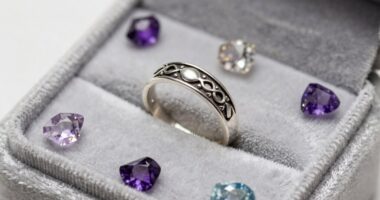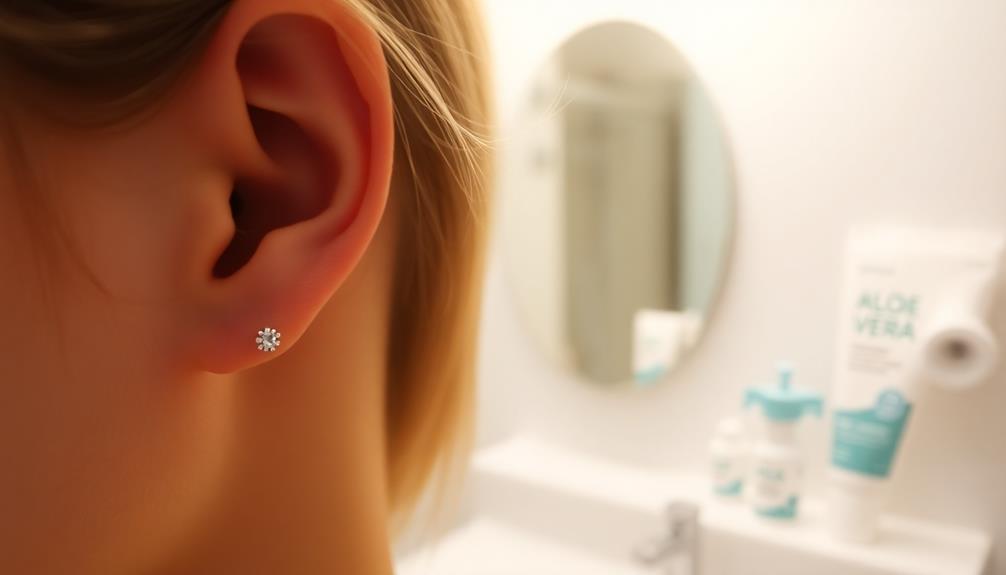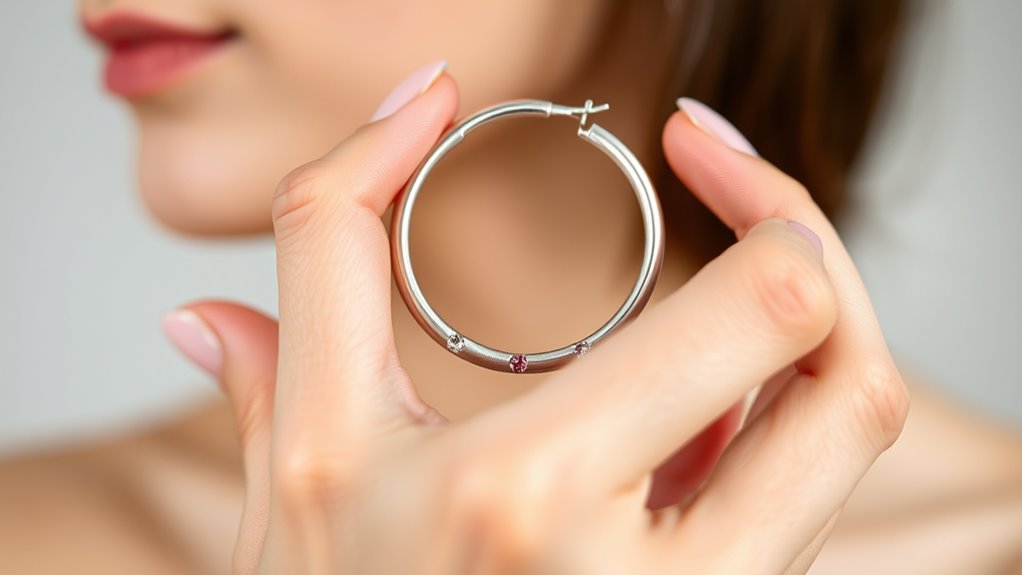

To choose hypoallergenic jewelry for sensitive skin, look for brands that test their items for allergens like nickel and provide clear certifications or testing results. Prioritize materials such as surgical-grade stainless steel, titanium, niobium, or verified gold, as these are less likely to cause reactions. Always check labels for hypoallergenic claims and ask sellers about their testing processes. Knowing how to verify safe materials helps you avoid irritation—discover more tips that can help you make better choices.

Get beauty and skincare favorites delivered free with Prime
- Fast, free delivery on millions of items
- Prime Video, Amazon Music and more included
- Member-only deals all year
Key Takeaways
- Prioritize jewelry made from tested, certified hypoallergenic materials like surgical stainless steel, titanium, or niobium.
- Verify labels and product descriptions explicitly state hypoallergenic properties and include testing information.
- Avoid coated or plated jewelry, as coatings can wear off and expose allergenic metals over time.
- Purchase from reputable brands that perform independent allergen testing and provide transparent safety certifications.
- Consult customer service for detailed testing results and choose materials proven safe for sensitive skin.
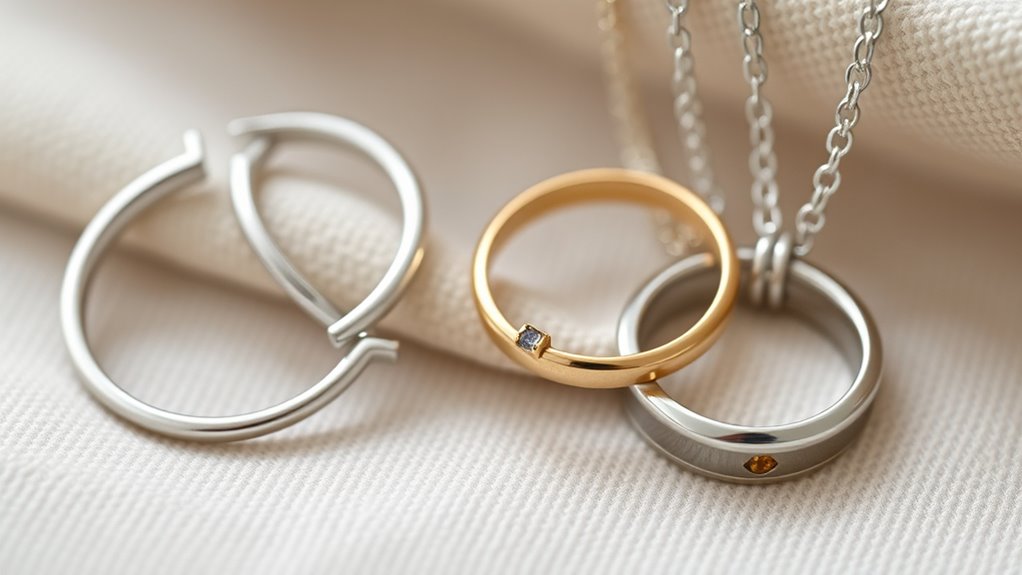
Finding the right jewelry can be challenging if you have sensitive skin or allergies. Many common materials used in jewelry can trigger reactions, especially for those with nickel allergies. Nickel is a prevalent allergen, and even small amounts can cause itching, redness, and irritation. To avoid this, it’s crucial to pay close attention to the materials used in any jewelry piece you consider. One of the best ways to guarantee a piece is safe is by looking for jewelry that has undergone thorough material testing. Reputable brands often test their jewelry to confirm the absence of allergens like nickel, making it easier for you to shop confidently. When shopping, always check product descriptions and labels for indications of hypoallergenic materials, but don’t rely solely on these claims. Instead, seek jewelry that has been independently tested or certified. Material testing involves analyzing the jewelry to detect the presence of harmful substances, particularly nickel, and confirm that it meets safety standards for sensitive skin.
Understanding the importance of material testing helps you make informed decisions. Many jewelry pieces are plated or coated, which might initially seem safe, but the coating can wear off over time, revealing underlying metals that could cause a reaction. So, even if a piece claims to be hypoallergenic, it’s wise to verify its composition through testing results. Look for jewelry made from materials like surgical-grade stainless steel, titanium, niobium, or certain types of gold, as these are less likely to contain nickel or other allergens. These materials are naturally hypoallergenic and are less prone to causing irritation, especially if they’ve been tested and verified safe for sensitive skin.
Additionally, staying informed about the latest advancements in cybersecurity can help you recognize how industries are working to improve the safety of materials and products. It’s also smart to stick with trusted brands that prioritize transparency about their materials. Some companies provide detailed information about their testing processes and the purity of their jewelry, which can give you added confidence in your purchase. If you’re unsure, ask customer service about material testing and whether the jewelry has been certified allergen-free. Remember, your skin’s health comes first, so taking these precautions can save you from discomfort and skin issues down the line. Choosing hypoallergenic jewelry isn’t just about avoiding reactions; it’s about making smarter, safer choices that allow you to enjoy your jewelry without worry. By prioritizing tested, hypoallergenic materials and being vigilant about the composition of each piece, you can build a collection that’s both beautiful and gentle on your sensitive skin.
hypoallergenic jewelry for sensitive skin
As an affiliate, we earn on qualifying purchases.
As an affiliate, we earn on qualifying purchases.
Frequently Asked Questions
Can Hypoallergenic Jewelry Cause Allergies Over Time?
Hypoallergenic jewelry can sometimes cause allergies over time, especially if you’re nickel-sensitive. Although it’s designed to reduce allergic reactions, prolonged wear or exposure to certain metals may still trigger symptoms. If you notice itching, redness, or swelling, your skin might be reacting to trace metals or other substances. Always check the material, and opt for jewelry labeled free from common allergens to minimize the risk of developing new allergies.
How Do I Verify if Jewelry Is Truly Hypoallergenic?
Think of verifying hypoallergenic jewelry as revealing a secret code. You can check material testing results and look for certifications from reputable organizations to confirm its hypoallergenic status. Always ask sellers for detailed information about the materials used and whether the jewelry has undergone specific certification methods. This way, you guarantee your skin’s safety, avoiding surprises and choosing jewelry that truly respects your sensitive skin.
Are There Specific Metals Better for Extremely Sensitive Skin?
For extremely sensitive skin, choose metals like surgical-grade stainless steel, titanium, or niobium, as they’re less likely to cause allergic reactions. You might also consider platinum or 14k+ gold, but guarantee they’re free from nickel or other common irritants. These metals reduce your risk of allergic reactions and metal sensitivity, making them safer options for prolonged wear. Always verify the metal’s purity to avoid triggering sensitive skin.
Is Hypoallergenic Jewelry More Expensive Than Regular Jewelry?
You might find hypoallergenic jewelry costs more, but it’s often worth it. Statistically, hypoallergenic pieces can be up to 20% pricier due to higher material costs like surgical steel or titanium. The cost comparison comes down to material quality—these metals are more expensive but lessen irritation. If sensitive skin is a concern, investing a little extra guarantees comfort and reduces allergic reactions, making it a smart choice overall.
How Should I Care for Hypoallergenic Jewelry to Maintain Its Hypoallergenic Properties?
To keep your hypoallergenic jewelry maintaining its hypoallergenic properties, follow simple care tips and maintenance routines. Clean it regularly with a soft cloth, avoiding harsh chemicals that can damage the protective coating. Store your jewelry in a dry, airtight container when not in use, and remove it before swimming or showering. This routine helps prevent tarnish and preserves the hypoallergenic qualities, ensuring your jewelry stays safe and comfortable for sensitive skin.
Conclusion
By selecting jewelry crafted with gentle, skin-friendly materials, you create a delicate dance of comfort and style. When you opt for hypoallergenic pieces, you’re wrapping yourself in a tender embrace that whispers peace to your skin. Think of it as wearing a soft, invisible shield—allowing your natural glow to shine through without worry. Embrace these mindful choices, and let your jewelry become a beautiful, soothing extension of your unique, sensitive spirit.
Halloween Picks
halloween
As an affiliate, we earn on qualifying purchases.