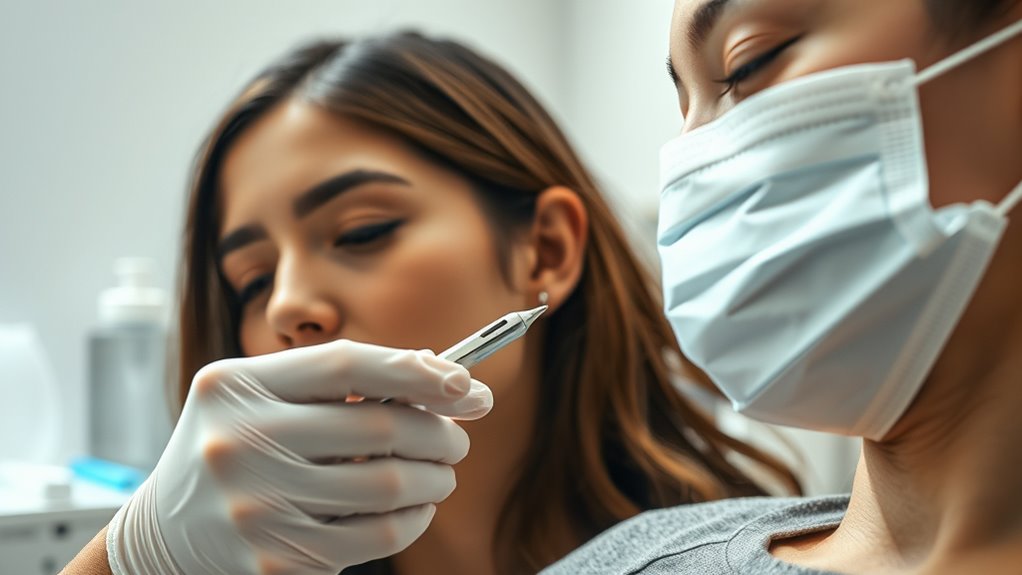
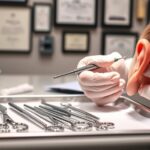
To guarantee safe piercings with chronic conditions, work closely with experienced piercers who follow strict hygiene standards and use sterile equipment. Talk openly about your health history and any medications that might affect healing. Follow tailored aftercare routines and monitor your piercing site for signs of infection or complications. Being proactive and informed helps minimize risks, so if you want to learn how to protect your health during piercing, keep exploring the tips ahead.
Key Takeaways
Consult healthcare providers before piercing to assess individual health risks and determine appropriate precautions.
Choose experienced, licensed piercers who follow strict hygiene and sterilization protocols.
Use hypoallergenic jewelry materials to reduce allergy risks, especially for sensitive individuals.
Follow tailored aftercare routines and monitor healing closely for signs of complications.
Adjust medications or timing of piercing based on chronic condition management to promote safer healing.
Getting a piercing can be exciting, but if you have a chronic condition, ensuring safety and taking extra precautions is essential. Your health history and ongoing treatments can influence how your body responds to a piercing, making it vital to plan carefully. One of the most important aspects to weigh is allergy management. Some individuals are allergic to certain metals commonly used in jewelry, such as nickel. If you know you have metal sensitivities, you should opt for hypoallergenic options like surgical stainless steel, titanium, or niobium. Communicate this with your piercer beforehand to prevent any allergic reactions that could complicate your healing process. Managing allergies effectively reduces the risk of swelling, redness, or infections, and helps your healing process go smoothly. Additionally, understanding pool terminology and proper materials can help you make informed choices about jewelry options and aftercare products.
Being aware of how your chronic condition might affect healing is equally important. Conditions like diabetes, autoimmune diseases, or circulatory issues can slow down healing or increase your risk of infection. Before getting pierced, consult your healthcare provider to determine if your condition requires special precautions or adjustments. For example, you might need to temporarily alter your medication or schedule the piercing for a time when your condition is better controlled. During the healing process, keep a close eye on the piercing site. Proper aftercare, including cleaning as recommended and avoiding unnecessary touching or trauma, becomes even more critical if your immune system isn’t functioning at full capacity. This diligence helps prevent complications like infections or delayed healing, which can be more severe for individuals with chronic health issues.
Your piercer should be experienced and follow strict hygiene standards to minimize infection risk. Make sure they use sterile equipment and high-quality jewelry. Discuss your health history openly, and don’t hesitate to ask about their sterilization procedures. Post-piercing, you’ll need to follow a tailored aftercare routine, which might include specific cleaning solutions or medications recommended by your doctor. If you notice signs of an allergic reaction, infection, or delayed healing, seek medical advice promptly. Acting quickly can prevent minor issues from escalating into more serious health problems.
Ultimately, ensuring safe piercings when you have a chronic condition involves a combination of allergy management, careful planning, and attentive aftercare. With the right precautions, you can enjoy your new piercing while minimizing health risks. Staying informed, communicating openly with professionals, and listening to your body during the healing process will help you achieve a safe and successful piercing experience.
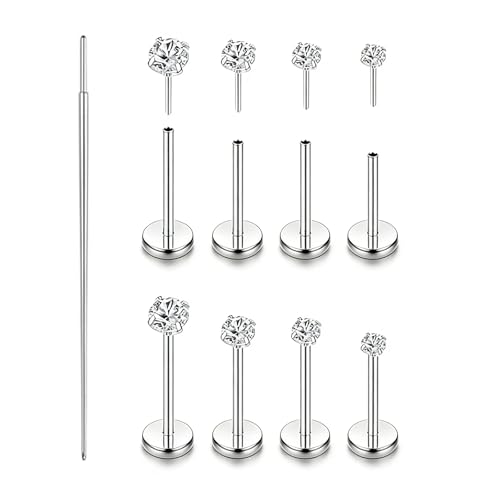
LongMiss Titanium Flat Back Earrings Stud G23 Hypoallergenic Nose Rings Helix Piercing Threadless Tragus Pin for Labret/Cartilage/Lip/Conch Body Piercing Jewelry Medusa for Women Men
"IMPLANT-GRADE SOLID TITANIUM (SAFE FOR NOSE, TRAGUS & HELIX) Stop settling for ""Surgical Steel"" that causes infection in...
As an affiliate, we earn on qualifying purchases.
Frequently Asked Questions
Can I Get Piercings if I Have a Bleeding Disorder?
If you have a bleeding disorder, it’s generally risky to get piercings due to bleeding disorder risks. You should consult your healthcare provider before scheduling any piercing. They can advise on safe piercing practices, and if it’s safe to proceed, choose a professional piercer experienced in working with individuals with bleeding conditions. Always prioritize safety and follow medical advice to reduce complications and ensure proper healing.
Are There Specific Jewelry Materials Safer for Autoimmune Conditions?
If you’re worried about autoimmune reactions, opt for hypoallergenic options like surgical stainless steel, titanium, or niobium. These jewelry materials are safer because they minimize allergic responses and inflammation. You might feel nervous about choosing the right material, but knowing that high-quality, hypoallergenic jewelry can protect your health and comfort makes the decision easier. Always confirm with your piercer about jewelry material safety before getting pierced.
How Long Should I Wait After a Flare-Up to Get Pierced?
You should wait at least a few weeks after a flare-up before getting pierced to guarantee proper healing timelines. During this period, focus on flare-up management by controlling inflammation and avoiding stress on your immune system. Once your symptoms subside and your skin heals, consult your piercer or healthcare provider. Patience helps reduce infection risk and promotes successful healing, making it safer to proceed with your piercing.
Can Medications for Chronic Conditions Affect Healing Time?
Yes, your medications for chronic conditions can affect the healing process after a piercing. Medication interactions may slow down or complicate healing, making it essential to discuss your specific meds with your piercer or healthcare provider beforehand. Some drugs, like blood thinners, can increase bleeding, while others may suppress immune response. Proper planning guarantees you avoid complications and support a smooth healing process.
What Precautions Are Needed for Piercing With Compromised Immune Systems?
Picture a delicate fortress guarding your health. For compromised immune systems, you need strict sterilization protocols and careful piercing studio selection. Confirm the studio uses single-use, sterile needles and equipment, and verify staff follow rigorous hygiene practices. Avoid crowded or unlicensed locations. Your immune system’s vulnerability demands extra caution—think of it as a shield that requires the strongest, most reliable protection to prevent infections and promote healing.
Josojoou 14G Titanium Surface Piercing Jewelry Double Crystal Internally Threaded Surface Tragus Staple Bar Piercing Jewelry 12mm Flat Bar Unisex Body Jewelry
Premium Materials: This surface piercing features a high-quality titanium alloy stud bar, ensuring biocompatibility and durability. It remains...
As an affiliate, we earn on qualifying purchases.
Conclusion
So, if you have a chronic condition, don’t think a piercing is just a tiny, harmless thing. It’s like inviting a tiny, unruly army into your body that could turn your health upside down! But with the right precautions, expert advice, and a little patience, you’ll keep that army in check and enjoy your new sparkle safely. Remember, your health is the real treasure—protect it fiercely, even if it means waiting just a little longer!
Gotumo 20G Flat Back Earrings Stud G23 Titanium Threadless Tragus Labret Cartilage Lip Medusa Conch Body Piercing Jewelry for Women Men Silver
❥G23 Titanium ❥ Hypoallergenic, Nickel-free, Cartilage stud piercings are Non-Toxic. it will never corrode and turn green. You...
As an affiliate, we earn on qualifying purchases.
Mysense 4th of July Earrings and Necklace Set for Women, Red White Blue Patriotic Star Dangle Earrings, American Flag Pendant Necklace, Patriotic Jewelry for 4th of July Outfits, USA Independence Day Accessories, Memorial Day Jewelry, 250 Anniversary USA Merchandise
4th of july outfits for women-250 Anniversary USA Merchandise
Common Infections Associated With Piercings and How to Prevent Them
Discover the common infections linked to piercings and essential prevention tips that could save you from painful complications. Are you prepared to protect your piercings?
The Sterilization Mistake That Can Wreck a Piercing Studio Overnight
Failure to properly validate autoclave effectiveness can ruin a piercing studio overnight, risking client safety—discover how to prevent this costly mistake.