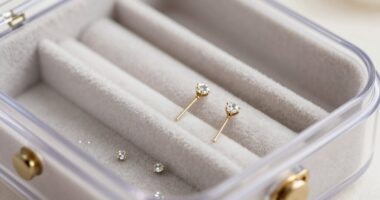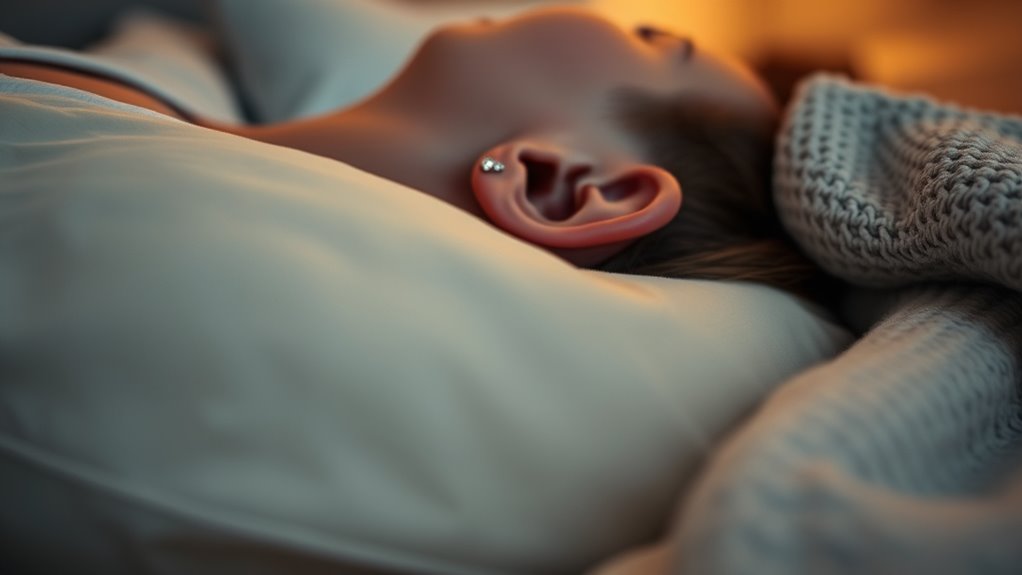
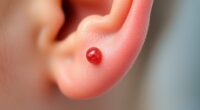
To sleep comfortably with new piercings, focus on maintaining good hygiene and choosing the right positions. Avoid sleeping on the side with the piercing and opt for your back or opposite side, using supportive cushions if needed. Keep jewelry protected from fabric contact and use soft pillowcases. Elevate your head and select calming routines before bed. Following these tips helps heal faster and reduces discomfort—exploring additional tips can make your healing journey even smoother.

Get beauty and skincare favorites delivered free — and shop member deals
- Fast, free delivery on millions of items
- Access to Prime Big Deal Days deals on October 6–7
- Prime Video, Amazon Music and more included
Key Takeaways
- Sleep on your back or opposite side to avoid pressure on the new piercing.
- Use soft, supportive pillows or travel cushions to prevent jewelry snagging.
- Keep bedding smooth, clean, and made of gentle fabrics to reduce irritation.
- Elevate your head with a pillow to minimize swelling and discomfort.
- Establish a calming bedtime routine and avoid caffeine or screens before sleep.

Getting a new piercing can be exciting, but sleeping comfortably afterward can be challenging. You might find yourself tossing and turning, trying to avoid putting pressure on the fresh piercing or accidentally snagging the jewelry. To make things easier, it’s important to pay close attention to piercing hygiene because a clean environment helps prevent infections and promotes faster healing. Always wash your hands before touching your piercing, and follow your piercer’s instructions on cleaning routines. Using sterile saline solution to gently clean the area twice a day keeps bacteria at bay and reduces discomfort. Maintaining good piercing hygiene not only speeds healing but also ensures you’re less likely to wake up with irritation or swelling, making sleep more comfortable. Incorporating proper aftercare into your routine is essential for a smooth healing process.
Proper hygiene and gentle cleaning promote faster healing and more comfortable sleep after a new piercing.
When it comes to sleep positions, you’ll need to adapt your usual habits to protect your new piercing. If you have an ear piercing, avoid sleeping on that side altogether. Instead, opt for sleeping on your back or the opposite side to minimize pressure and friction. For facial piercings, sleeping on your back is also the safest choice. If you can’t avoid rolling onto your side, consider using a travel pillow or a soft, supportive cushion to keep your head elevated and prevent accidental contact with bedding or pillows. This helps reduce irritation and keeps the jewelry from catching on fabric, which could cause pain or delay healing.
Be mindful of your bedding and pillowcases. Choose smooth, clean, and soft fabrics that won’t snag or irritate your piercing. Changing pillowcases frequently is a good idea, especially if you tend to sweat at night, as moisture can lead to infection. If you’re worried about accidentally pulling or snagging your jewelry, you might want to try wearing a soft, loose headband or a specialized piercing guard while you sleep. These can act as barriers, protecting your piercing from accidental bumps and reducing the risk of complications.
Lastly, establishing a calming bedtime routine can help you relax and fall asleep more easily. Keep your sleeping environment cool, dark, and quiet. Avoid caffeine or screens before bed, and try some gentle stretching or deep breathing exercises. By combining good piercing hygiene with mindful sleep positions and a comfortable environment, you can give your new piercing the best chance to heal quickly and comfortably. Remember, patience is key—allow your body the time it needs to recover, and soon enough, sleeping with your new piercing will become second nature.
supportive travel pillows for sleeping with new piercings
As an affiliate, we earn on qualifying purchases.
As an affiliate, we earn on qualifying purchases.
Frequently Asked Questions
Can I Sleep on My Piercing Side Immediately After Getting Pierced?
You shouldn’t sleep on your piercing side immediately after getting pierced. Doing so can cause irritation, swelling, or injury, disrupting healing. Follow piercing aftercare guidelines and use sleep position tips like sleeping on your back or opposite side. This minimizes pressure and prevents complications. Be gentle with your piercing during healing, and avoid rolling onto the new piercing to guarantee proper recovery and reduce discomfort.
Are There Specific Pillowcases That Help Reduce Irritation During Sleep?
Imagine your pillowcase as a gentle guardian for your new piercing. Opt for pillowcase materials like silk or satin—they’re smooth, reducing irritation during your sleep. Your sleeping position matters too; try to avoid pressing directly on the piercing. These choices create a protective barrier, minimizing discomfort and promoting healing. By choosing the right pillowcase and adjusting your sleeping position, you make your healing journey more comfortable and stress-free.
How Long Should I Avoid Sleeping on Certain Positions?
You should avoid sleeping on certain positions, especially those that put pressure on your new piercing, for at least 2-4 weeks. Use pillow support to keep your head elevated and maintain a gentle sleep position. Sleeping on your back is ideal, as it minimizes contact with your piercing, while side or stomach sleeping can cause irritation or injury. Pay attention to how your piercing heals and adjust your sleep position accordingly.
Is It Safe to Use Any Kind of Body Pillow With New Piercings?
Think of your body pillow as a gentle guardian for your healing journey. You can safely use most pillow selections, but guarantee it offers soft, supportive alignment without putting pressure on your new piercings. Focus on maintaining a comfortable sleeping posture that keeps your piercings safe, avoiding any sharp angles or tight wrapping. Always choose pillows that cradle your body gently, fostering a restful environment while protecting your healing process.
What Are the Best Sleeping Habits to Promote Healing?
To promote healing, focus on good sleeping positions and healing tips. Sleep on your back to avoid pressure on your piercings, and use a soft, clean pillow to reduce irritation. Keep the area clean before bed, and avoid sleeping on your side or stomach. Consistency in your sleeping habits helps reduce swelling and discomfort, speeding up recovery. Prioritize gentle, calm sleep routines for the best healing results.
Conclusion
Remember, patience is key when it comes to new piercings. By taking these simple tips, you’ll help your body heal and avoid unnecessary discomfort. Keep in mind, rushing the process is like trying to force a square peg into a round hole—it only causes more trouble. With gentle care and a little time, you’ll be back to sleeping soundly in no time. Stay consistent, and your piercing journey will end on a high note.
Fall Picks
fall essentials
As an affiliate, we earn on qualifying purchases.