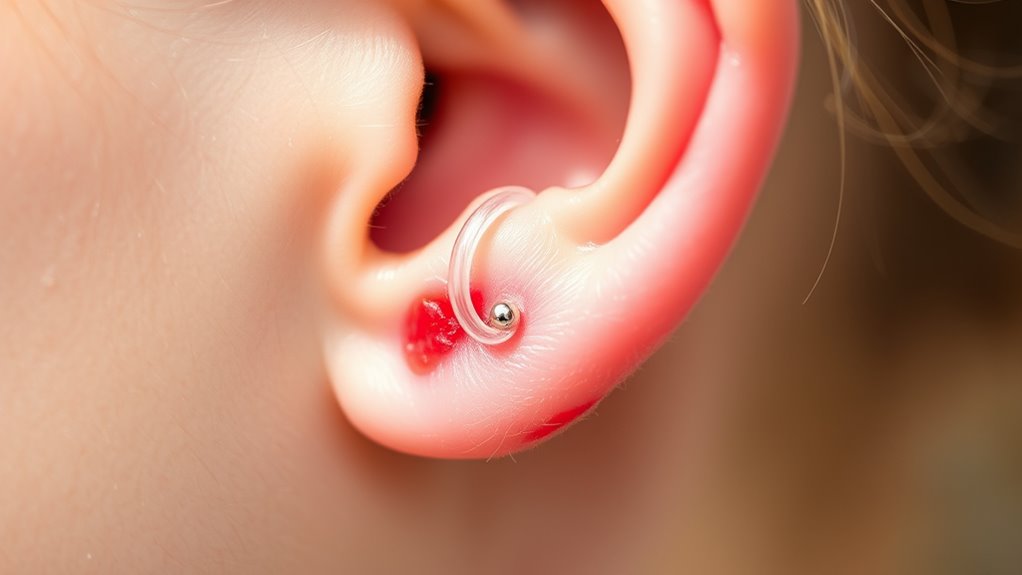
You should seek medical help immediately if your piercing becomes increasingly painful, swollen, or shows signs of infection like pus or a foul odor, especially along with fever or chills. Persistent redness, warmth, or discharge that gets worse over time also indicate a serious problem. If you notice signs of allergic reactions or the infection spreading deeper into tissue, get professional care quickly. Keep going for essential tips to help keep your piercing safe and healthy.
Key Takeaways
- Seek medical help if you experience persistent redness, swelling, warmth, or pus at the piercing site.
- Visit a healthcare provider if you develop fever, chills, or increasing pain indicating a possible deep infection.
- Get professional care if symptoms worsen or do not improve after initial cleaning and treatment.
- Consult a doctor immediately for signs of allergic reactions like blistering, rash, or persistent irritation.
- Seek urgent medical attention for signs of spreading infection, foul discharge, or abscess formation.
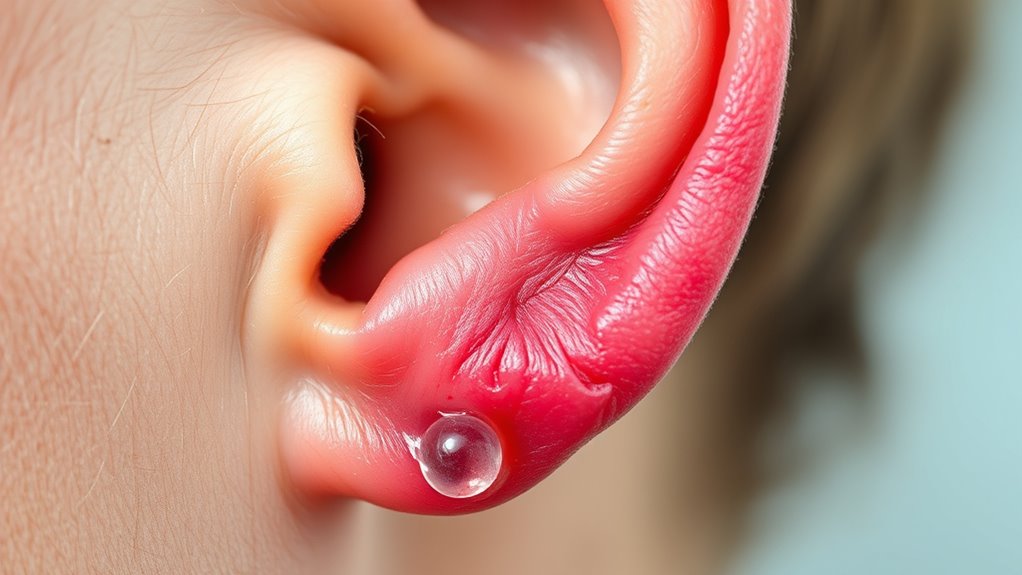
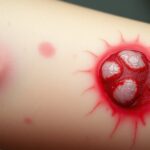
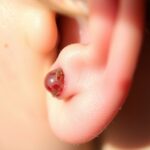
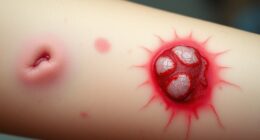
Getting a piercing can be exciting, but sometimes complications arise that require medical attention. One of the most common issues you might face is an infection. If you notice persistent redness, swelling, warmth, or pus around the piercing site, it’s a clear sign that infection management is needed. Do not ignore these symptoms, as untreated infections can worsen and lead to more serious problems. You should seek medical help promptly to get appropriate treatment, which may include antibiotics or professional cleaning. Proper hygiene is essential in preventing infections, but if symptoms persist despite your efforts, a healthcare professional’s guidance becomes vital.
Persistent redness, swelling, or pus around a piercing signals infection; seek medical advice promptly.
Another reason to consult a doctor is if you experience allergic reactions. Some people develop allergic responses to certain metals used in jewelry, such as nickel. Signs of an allergic reaction include intense itching, rash, blistering, or skin breakdown around the piercing site. These reactions can be uncomfortable and may cause the piercing to become inflamed or infected if not addressed quickly. In such cases, a healthcare provider can recommend suitable treatments and may advise removing the jewelry to prevent further irritation. They might also suggest replacing the jewelry with hypoallergenic materials like surgical steel, titanium, or niobium to reduce allergic responses in the future.
You should also seek medical attention if your piercing shows signs of a more severe infection or complication. For instance, if you develop a fever, chills, or if the swelling and pain intensify instead of improve after a few days, it’s time to see a doctor. Sometimes, infections can spread deeper into the tissue, leading to abscesses or cellulitis, which require professional intervention and antibiotics. Additionally, if you notice any unusual discharge, foul odor, or if the area becomes increasingly tender and tender to touch, these are warning signs that you need expert care.
It is also important to be aware that proper hygiene practices can significantly reduce the risk of complications and promote healing. In cases where you suspect an allergic reaction or infection, avoid trying to treat it yourself with over-the-counter remedies or home treatments alone. While gentle cleaning with saline solution can help in minor cases, more serious issues demand professional evaluation. Ignoring these symptoms or delaying medical help can prolong discomfort, worsen the condition, or cause permanent damage to the skin and tissue. Remember, seeking prompt medical attention when you notice signs of infection management issues or allergic reactions can greatly improve healing, prevent complications, and ensure your piercing heals beautifully and safely.
Frequently Asked Questions
Can Piercing Issues Resolve Without Medical Intervention?
Piercing issues like jewelry allergies or small keloids can sometimes resolve on their own if you remove the irritant and keep the area clean. However, if you notice persistent swelling, redness, or worsening keloids, medical intervention is necessary. Ignoring serious symptoms can lead to infection or permanent scarring. Always monitor your piercing, and seek professional help if issues don’t improve or worsen despite home care.
Are At-Home Remedies Effective for Piercing Complications?
DIY remedies can sometimes help with minor piercing pain or irritation, but they often aren’t enough for more serious complications. Using home remedies might reduce discomfort temporarily, but if you experience persistent pain, swelling, or signs of infection, it’s best to see a professional. Relying solely on at-home solutions for significant issues can delay proper healing and worsen the problem, so don’t hesitate to seek medical advice when needed.
How Long Should a Piercing Take to Heal Normally?
Think of your piercing as a vintage record that needs time to play smoothly. Generally, a normal recovery can take anywhere from 6 weeks to several months, depending on the piercing location and your body’s healing process. The healing timeline varies; cartilage piercings often take longer than earlobe piercings. Be patient and follow proper aftercare, and you’ll soon enjoy your new jewelry without worries.
What Signs Indicate a Piercing May Be Infected?
If you notice signs of infection, such as increased redness, swelling, warmth, pain, or pus around your piercing, you should be concerned. Unusual odors or persistent bleeding can also indicate complications. Don’t ignore these piercing complications; they may worsen if untreated. Seek medical help promptly if symptoms persist or worsen, as early intervention can prevent more serious issues and ensure proper healing.
Is It Safe to Remove a Piercing on My Own?
You shouldn’t attempt DIY removal of your piercing, as it can lead to infection or scarring. For piercing safety, it’s best to visit a professional piercer if you need to remove it. They have the proper tools and expertise to do it securely, minimizing complications. Trying to remove it yourself can cause more harm, so always seek professional help to ensure your health and safety.
Conclusion
Think of your piercing as a delicate garden. When you notice weeds taking over—redness, swelling, or pus—it’s time to call in the experts to tend to your plants. Ignoring these signs is like letting weeds choke your blooms. By seeking help promptly, you’re nurturing your garden back to health and ensuring your jewelry stays vibrant. Don’t wait for the storm to pass—act now and keep your piercing garden thriving.