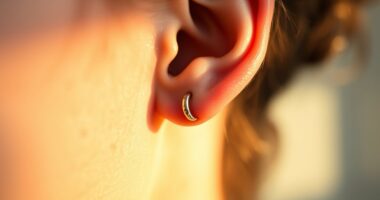

When practicing yoga with a new piercing, focus on gentle poses that avoid pressure or stretching near the site, and always prioritize high-quality, hypoallergenic jewelry to reduce irritation. Keep movements slow and listen to your body’s signals, resting if you experience discomfort. Avoid intense or demanding poses until your piercing is fully healed, and maintain good hygiene to prevent infection. Stay informed about healing timelines and techniques to protect your recovery and enjoy safe yoga sessions.

Get beauty and skincare favorites delivered free — and shop member deals
- Fast, free delivery on millions of items
- Access to Prime Big Deal Days deals on October 6–7
- Prime Video, Amazon Music and more included
Key Takeaways
- Wait for complete healing before performing intense yoga poses to prevent complications.
- Use hypoallergenic, high-quality jewelry materials like surgical steel or titanium to minimize irritation.
- Avoid poses that pressure or stretch the piercing site during healing; opt for gentle, body-aware movements.
- Keep the piercing area clean and dry, especially after workouts, to reduce infection risk.
- Listen to your body; stop if you experience pain or discomfort around the piercing during practice.

Body piercing and yoga might seem like unrelated practices, but understanding how they interact can help you make informed choices. When you’re practicing yoga after getting a piercing, one of the most important factors to consider is the healing process. Piercings, especially new ones, require time to heal fully, and physical activity can influence this process. During the healing phase, your body directs energy toward repair, and excess movement or strain can prolong recovery or cause complications. That’s why it’s vital to be mindful of how much you’re stretching or twisting around the pierced area. You should avoid intense yoga poses that put pressure on or stretch the piercing site until it’s fully healed. Patience pays off—trying to push through discomfort or rushing back into demanding postures can lead to infections or jewelry migration.
Be patient with your healing; avoid intense poses that stretch or pressure the piercing site.
Another key aspect to consider is jewelry materials. Not all jewelry is suitable for yoga, especially during the healing process. hypoallergenic and biocompatible materials like surgical steel, titanium, or niobium are generally safer choices because they reduce the risk of allergic reactions and minimize irritation. If you have sensitive skin, avoid jewelry made from nickel or cheap alloys, which can cause inflammation or discomfort. During yoga, you move into a variety of positions that might cause friction or pressure on your jewelry, so choosing smooth, high-quality materials helps prevent snagging or damage. If your piercing is still healing, consider removing jewelry for certain poses or activities to give your skin extra time to recover. Once healed, you can switch to more flexible or secure jewelry pieces designed for active lifestyles.
Additionally, understanding the healing process of piercings can help you better manage your recovery and decide when it’s safe to resume certain poses. It’s also important to pay attention to hygiene. Sweat, dirt, and bacteria can accumulate around fresh piercings, increasing infection risk if not properly managed. Before practicing yoga, make sure your hands are clean, and if you’re wearing jewelry, ensure it’s sanitized and free of any sharp edges or loose parts that could cause injury or discomfort during movement. After your session, gently clean the pierced area, especially if you notice any irritation or swelling. Wearing clothing that doesn’t rub against the piercing can also help reduce irritation, making the healing process smoother.
Ultimately, the key to integrating body piercings into your yoga routine safely is awareness and respect for your body’s signals. Listen to how your skin feels, avoid pushing through pain, and prioritize jewelry materials that support your healing. With patience and proper precautions, you can enjoy both practices without compromising your health or the integrity of your piercing.
hypoallergenic surgical steel body jewelry
As an affiliate, we earn on qualifying purchases.
As an affiliate, we earn on qualifying purchases.
Frequently Asked Questions
Can I Do Yoga Immediately After Getting a New Piercing?
You shouldn’t do yoga immediately after getting a new piercing. Healing timelines vary depending on the piercing placement, but generally, it takes several weeks for initial healing. Yoga poses that involve stretching or pressure on the piercing area can cause irritation or delay healing. Wait until your piercer confirms it’s fully healed, usually after the recommended healing period, before resuming yoga to avoid complications.
Are There Specific Yoga Poses to Avoid With Body Piercings?
You should avoid certain yoga poses that conflict with piercing restrictions, especially those involving direct pressure or stretching near your new piercing. To stay safe, opt for pose modifications, like avoiding deep twists or inversions that could irritate or displace your jewelry. Pay attention to your body’s signals, and if a pose causes discomfort, modify or skip it altogether. Always consult your piercer or instructor for personalized guidance.
How Long Should I Wait Before Practicing Yoga After Piercing?
Imagine you just got a new navel piercing, and you’re enthusiastic to practice yoga. You should wait at least 4-6 weeks, depending on healing timelines, before engaging in poses. During this period, avoid strenuous activities and use piercing materials like titanium, which minimize irritation. Rushing back too soon can cause infection or damage. Trust your body, and consult your piercer or healthcare professional for personalized advice.
Can Body Piercings Interfere With Yoga Breathing Techniques?
Yes, body piercings can interfere with your yoga breathing techniques. Piercing discomfort might distract you, and in some cases, they can cause breathing restriction, especially if the jewelry is near your chest or neck. To avoid these issues, make sure your piercings are comfortable and don’t interfere with your breath. Adjust your jewelry if needed, and listen to your body to maintain proper breathing during your practice.
What Are Signs of Infection During Yoga Practice Post-Piercing?
Imagine your piercing as a silent alarm—if you notice redness, swelling, warmth, or pus during yoga, it’s a sign of infection symptoms. These piercing complications can flare up with movement or sweat, so stay vigilant. Pain or tenderness around the piercing area, increased discomfort, or a foul odor also indicate trouble. If you spot these signs, stop practicing and consult a healthcare professional to prevent further issues.
Conclusion
As you explore the harmony between body piercing and yoga, remember that your safety is key. Every piercing carries its own story, and your practice can reveal new depths of understanding—if you approach it mindfully. But the true journey isn’t just about avoiding risks; it’s about listening to your body’s whispers. Will you embrace this balance fully, or let uncertainty hold you back? The choice is yours, and the next move could change everything.
Evergreen bestsellers Picks
bestsellers
As an affiliate, we earn on qualifying purchases.