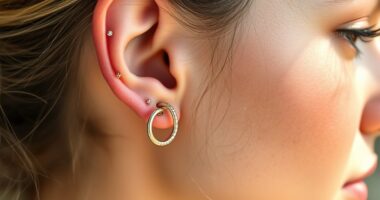

Piercing is a powerful way to exercise your body autonomy, giving you control over your appearance and how you choose to express yourself. It allows you to make intentional decisions about your body, challenging societal expectations and asserting your right to self-ownage. Each piercing can tell your unique story, celebrate your culture, or simply boost your confidence. If you’re curious about how piercing can serve as a form of personal empowerment, there’s more to explore beyond the surface.
Key Takeaways
- Piercing allows individuals to deliberately modify their bodies, asserting control and ownership over their physical appearance.
- It serves as a form of personal expression, reflecting identity, values, and cultural heritage.
- Choosing where and how to pierce reinforces self-determination and challenges societal norms.
- Piercing can symbolize empowerment, resilience, and resistance against external pressures.
- The process affirms autonomy by enabling informed decisions and personal customization of one’s body.
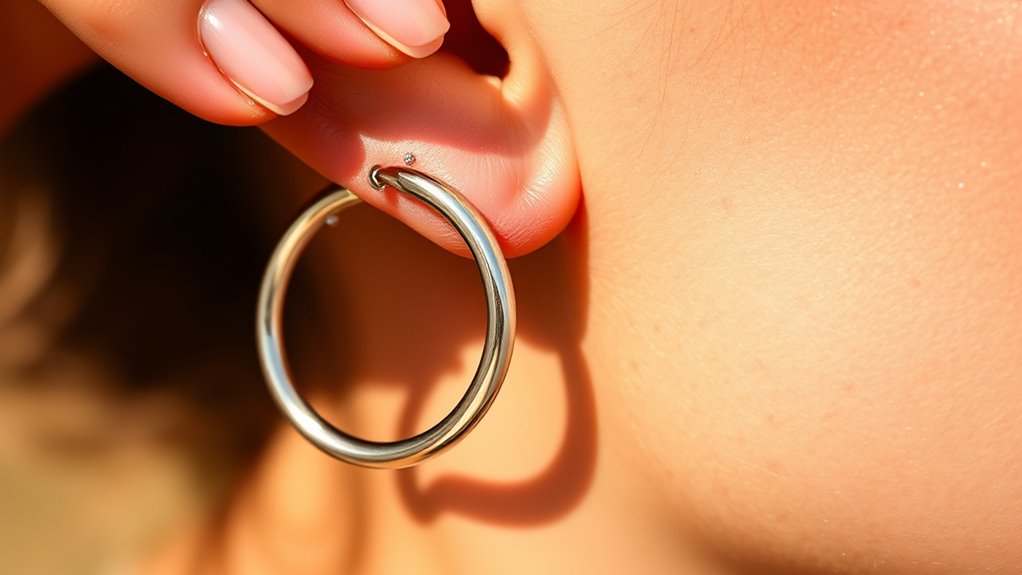
Piercing is more than just a fashion statement; it’s a powerful expression of personal autonomy. When you choose to pierce your body, you’re making a deliberate decision to alter your appearance in a way that reflects your identity and values. This choice often holds deep cultural significance, connecting you to traditions, histories, or communities that have embraced body modification for centuries. For some, piercing can symbolize rites of passage, spiritual beliefs, or social belonging. For others, it’s simply a way to showcase individual style and personality. By deciding where and how to pierce, you assert control over your body, reinforcing the idea that your physical form belongs to you and no one else. It’s an act of self-ownership that defies societal pressures to conform or hide personal truths.
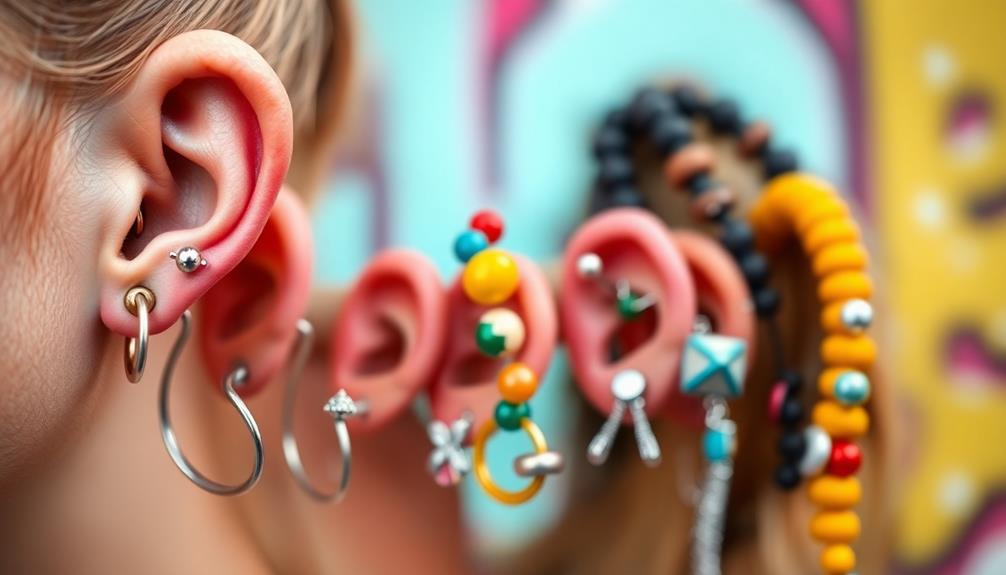
Your personal expression through piercing isn’t just about aesthetics; it’s a statement of who you are. Every piercing can tell a story—about your journey, your passions, or your resistance to societal norms. Whether you choose a subtle stud or a bold ring, the act of piercing allows you to communicate something unique about yourself without uttering a word. It’s a way to stand out, to challenge conventional standards, or to honor cultural roots. When you decide to get pierced, you’re making a conscious choice to shape your appearance on your own terms, rather than succumbing to external influences. This act of self-determination empowers you and fosters a sense of confidence in your body.
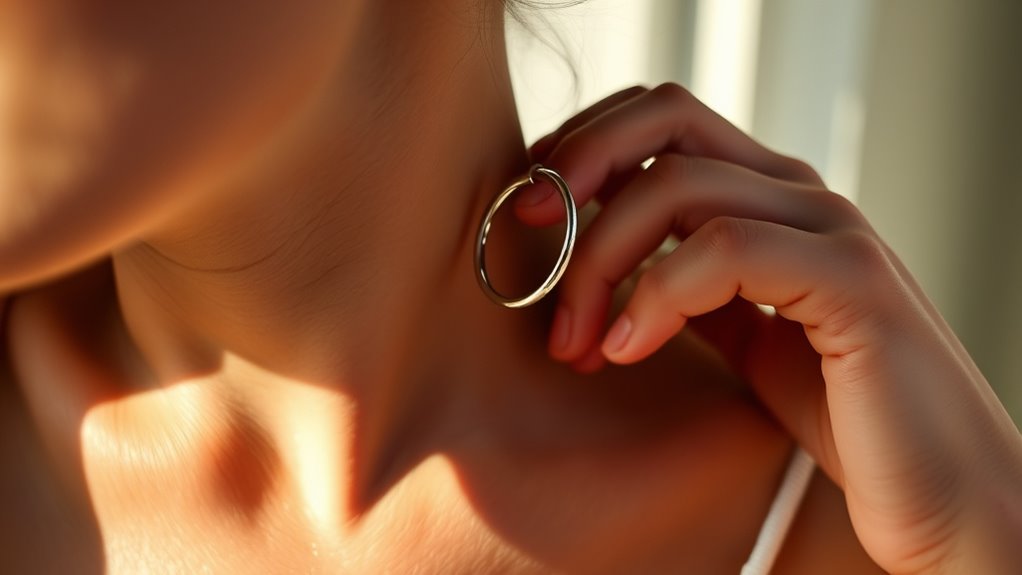
Moreover, piercing can serve as a symbol of liberation and resilience. In many cultures, body modifications like piercings have historically represented strength, identity, or resistance. Today, this tradition continues as individuals use piercing to reclaim control over their bodies amidst societal pressures that often dictate how they should look. It’s a form of reclaiming personal autonomy—your body, your rules. You have the freedom to choose the piercing location, jewelry type, and style that resonate with your identity and beliefs. The process itself can be empowering, as it involves making an informed decision and trusting professionals to help you achieve your desired expression. Additionally, understanding the role of color accuracy and contrast ratio in visual technology highlights how critical precise customization is—just as choosing the right jewelry and placement enhances personal expression, proper calibration and contrast improve the overall visual impact. In this way, piercing becomes more than a physical alteration; it’s a reaffirmation of your right to define your own body and how it’s presented to the world.

Evatage 104 Pcs Professional Body Septum Piercing Tool Kit with Jewelry Set
- Complete Piercing Kit: Includes needles, jewelry, clamps, gloves, and pads
- Versatile for All Piercings: Suitable for ear, nose, belly, nipple, lip, eyebrow, tongue, navel
- Professional and Beginner Friendly: Ideal for salon or home use with comprehensive tools
As an affiliate, we earn on qualifying purchases.
As an affiliate, we earn on qualifying purchases.
Frequently Asked Questions
How Does Piercing Influence Self-Identity?
Piercing influences your self-identity by allowing you to express your unique style and personal values. It becomes a visual representation of your self-expression, helping you stand out and feel more authentic. As you choose different piercings, you shape how others see you and reinforce your sense of identity. This act empowers you to take control of your body, making your personal identity more vibrant and reflective of who you truly are.
Are There Cultural Differences in Piercing Choices?
Cultural contrasts create compelling differences in piercing choices, with traditions dictating distinct designs and placements. You’ll notice cultural symbolism often shapes specific styles, like nose rings in Indian traditions or ear piercings in African tribes. Traditional practices deeply influence preferences, making piercings more than mere adornment—they embody identity, history, and heritage. By understanding these cultural differences, you’ll appreciate how piercing practices serve as powerful symbols of cultural expression and connection.
What Are the Psychological Effects of Body Modification?
You might find that body modifications, like piercings, boost your body image and self-esteem by allowing you to express your identity. They can give you a sense of control and uniqueness, which often leads to increased confidence. However, some may experience anxiety or dissatisfaction if expectations aren’t met. Overall, body modifications influence your psychological well-being, shaping how you perceive yourself and how others perceive you.
How Do Legal Regulations Vary Globally?
Globally, guidelines governing gauges, grades, and general regulations differ dramatically. You’ll find some countries enforce strict standards, including minimum legal ages and licensing laws, to guarantee safety and consent. Other regions have lenient or minimal regulations, leaving you more freedom but risking safety. Understanding local legal age requirements and regulatory standards helps you navigate piercing practices responsibly. Always check regional rules to protect your body and respect cultural customs.
Can Piercing Impact Employment Opportunities?
Piercing can impact your employment opportunities because some workplaces enforce strict dress code policies that restrict visible piercings. You might face workplace discrimination if your piercing conflicts with company standards or cultural norms. It’s important to research your employer’s policies beforehand and consider how your body autonomy choices, like piercing, could influence your career prospects. Being aware helps you navigate potential challenges and advocate for your personal expression effectively.
Conclusion
Remember, piercing is your choice—it’s a way to express yourself and claim control over your body. Some might say it’s just superficial, but it’s about your freedom to decide what feels right. Don’t let others dictate how you want to present yourself; your body is yours. Embrace your autonomy confidently, knowing that piercing isn’t just about looks—it’s about owning your identity and making empowered choices. Your body, your rules.