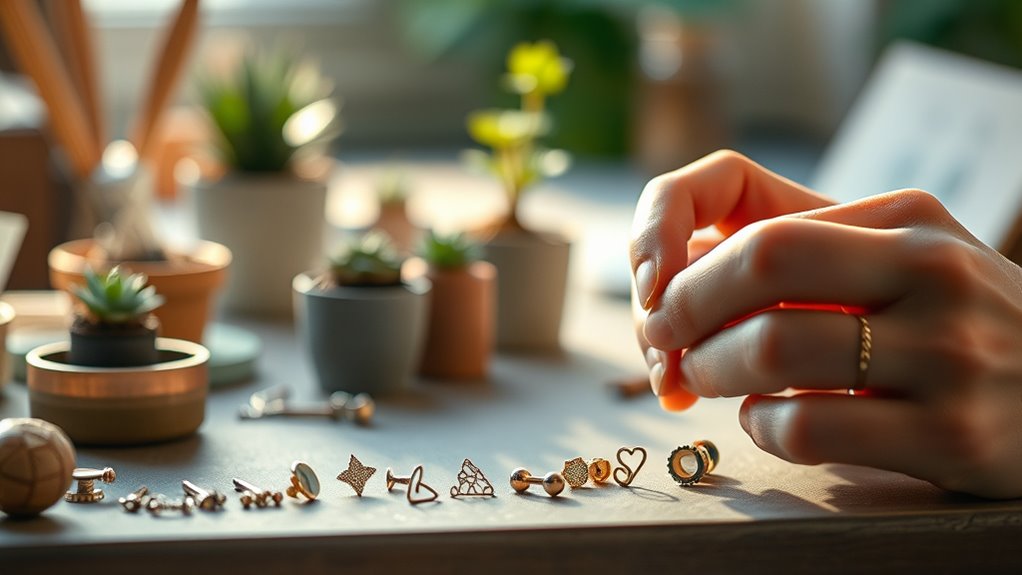

Sustainability trends in body piercing jewelry manufacturing focus on using ethically sourced, eco-friendly materials like recycled metals, titanium, or plant-based options. Companies are increasing transparency about their supply chains and adopting responsible practices such as reducing waste and energy use. Many brands prioritize sustainable packaging and local sourcing to cut emissions. By choosing these mindful options, you support environmentally responsible jewelry. To discover how these practices shape the industry and what to look for, explore the latest innovations and standards more closely.

Get beauty and skincare favorites delivered free with Prime
- Fast, free delivery on millions of items
- Prime Video, Amazon Music and more included
- Member-only deals all year
Key Takeaways
- Brands are adopting eco-friendly materials like surgical stainless steel, titanium, and recycled metals to reduce environmental impact.
- Ethical sourcing ensures responsible harvesting and fair trade practices in the supply chain for body piercing jewelry.
- Manufacturers are implementing sustainable practices such as local sourcing, waste reduction, and energy-efficient processes.
- Transparency in supply chain and production methods builds consumer trust and encourages industry-wide sustainability efforts.
- Sustainable packaging using recycled or biodegradable materials complements eco-conscious manufacturing trends.
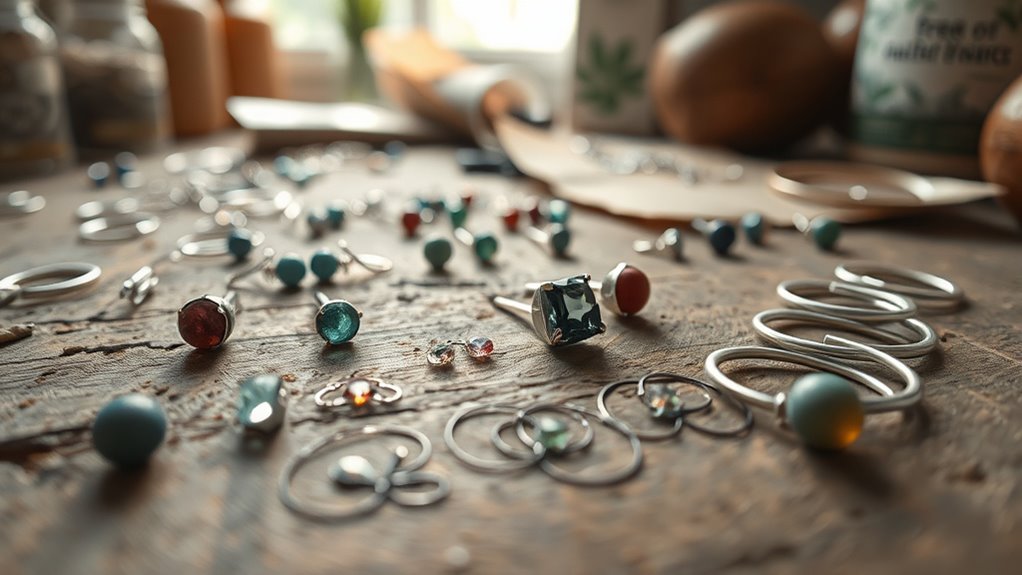
As consumers become increasingly conscious of environmental impact, body piercing jewelry manufacturers are adopting more sustainable practices. You’ll notice a shift toward transparency in sourcing and production, driven by a desire to reduce ecological footprints. Ethical sourcing plays a central role in this movement, ensuring that the materials used in jewelry are obtained responsibly. This includes verifying suppliers’ adherence to sustainable harvesting standards and fair trade practices. Instead of supporting mining operations that harm ecosystems or exploit labor, manufacturers now prioritize suppliers who adhere to fair trade standards and environmentally friendly practices. This means you can feel better about choosing jewelry that’s not only stylish but also ethically produced.
As consumers demand eco-friendly jewelry, brands prioritize ethical sourcing and transparent production practices.
Eco friendly materials are at the forefront of these efforts. Many brands are switching to biocompatible, sustainably harvested options, such as surgical stainless steel, titanium, or niobium, which are durable and less damaging to the environment. Some companies are even exploring plant-based or recycled materials, reducing reliance on virgin resources. These eco friendly materials often come with certifications that verify their sustainability, giving you confidence in your purchase. By opting for jewelry made from these alternatives, you help promote responsible resource use and lessen the ecological impact of body piercing accessories.
Manufacturers are also reevaluating their supply chains to minimize waste and energy consumption. This involves sourcing raw materials locally when possible, reducing transportation emissions, and implementing eco-conscious manufacturing processes. For example, some use laser welding techniques that generate less waste than traditional methods. Packaging is another area where sustainable practices are gaining traction. You’ll find that many brands now use recycled or biodegradable packaging, further decreasing environmental harm. These small but significant changes reflect a growing commitment to sustainability throughout the entire production cycle.
Beyond materials and sourcing, transparency is becoming a key factor. Companies that openly share information about their supply chains and environmental policies empower you to make informed choices. This transparency fosters trust and encourages other brands to follow suit. As a consumer, you can support brands that prioritize sustainability by choosing jewelry made from ethically sourced, eco friendly materials. Your purchasing decisions can influence the industry to adopt more responsible practices, creating a ripple effect that benefits the planet.
Products Worth Considering

OMRON VIVA 360+ Body Composition Monitor and Smart Scale
Withings Body Smart Wi-Fi and Bluetooth Smart Scale

Withings Body Scan Smart Scale with Segmental Body Composition and ECG, Black
As an affiliate, we earn on qualifying purchases.
Frequently Asked Questions
How Do Sustainable Materials Impact Body Piercing Jewelry Durability?
Using sustainable materials in body piercing jewelry can affect durability, but with proper biocompatibility testing and thorough material lifecycle analysis, you guarantee they withstand regular wear. Sustainable options like medical-grade titanium or recycled metals often match traditional materials in strength and longevity. By focusing on these tests and analyses, you can confidently choose eco-friendly jewelry that’s both durable and safe for your body over time.
Are Eco-Friendly Manufacturing Processes More Cost-Effective Long-Term?
Think of eco-friendly processes like planting a tree—initial effort pays off over time. Yes, they often reduce costs through energy savings and waste reduction, making them more cost-effective long-term. Plus, adopting sustainable methods boosts your brand reputation, attracting eco-conscious clients. Investing early in green manufacturing can lead to significant savings, helping you stand out in a competitive market and build loyalty with customers who value sustainability.
What Certifications Indicate Sustainable Practices in Jewelry Production?
You should look for certifications like Fair Trade and those indicating strong recycling programs. Fair Trade certifications guarantee ethical labor practices and sustainable sourcing, while recycling program labels show your jewelry was made with environmentally friendly materials. These certifications demonstrate a company’s commitment to sustainability, helping you make more eco-conscious choices and support brands that prioritize responsible manufacturing. Always check for these labels when selecting jewelry to align with your values.
How Do Consumer Preferences Shift Toward Sustainable Piercing Jewelry?
Think of consumer preferences shifting like a tide, leaning toward sustainable piercing jewelry. You’ll notice they prioritize brands that use recyclable packaging and showcase ethical marketing. Customers now want transparency and eco-consciousness woven into every piece, valuing jewelry that aligns with their values. By emphasizing these aspects, you can attract mindful buyers who appreciate your commitment to sustainability and make their piercing choices feel more meaningful.
What Challenges Exist in Sourcing Ethically Mined Materials?
You face challenges in sourcing ethically mined materials because mineral sourcing can be complex and costly. Ethical mining practices require strict oversight to guarantee environmental and social standards are met, which isn’t always easy to verify. You need to navigate supply chains carefully, balancing the demand for sustainable materials with transparency and accountability. This makes it difficult to consistently find ethically sourced metals that meet quality standards for body piercing jewelry.
Conclusion
By embracing sustainable practices, you’re not just creating beautiful jewelry—you’re making a positive impact on the planet. From eco-friendly materials to ethical sourcing, these trends are shaping a better future for body piercing jewelry. So, when you choose sustainable options, aren’t you also helping to protect the environment and support responsible manufacturing? Remember, every small step counts in making the industry greener and more conscious. Are you ready to lead the change?