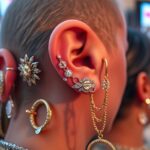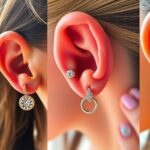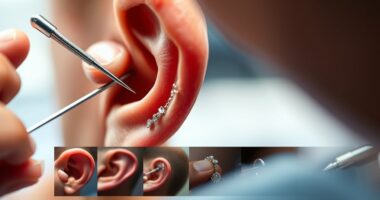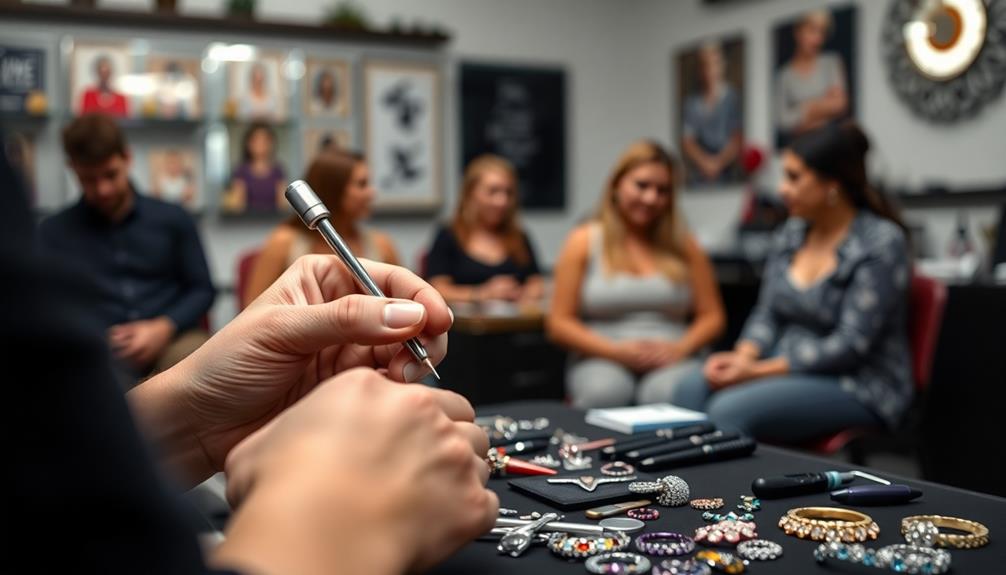
You notice that your interest in piercing trends is shaped by social media, where influencers showcase styles and share aftercare tips. As tattoos become more mainstream, you might feel more comfortable exploring piercings that reflect your personal identity. You likely research styles, placements, and jewelry options before making choices, influenced by evolving fashion and social acceptance. Staying aware of these trends helps you better understand consumer behavior, and if you continue exploring, you’ll uncover even more insights.
Key Takeaways
- Social media platforms influence consumer awareness, showcasing trendy styles and fostering a community of experimentation and acceptance.
- Increased tattoo popularity encourages consumers to view piercings as complementary body art, shaping their style choices.
- Consumers seek detailed information online, leading to more informed and discerning decisions about piercing types and aftercare.
- Trend cycles prompt rapid adoption and abandonment of styles, driven by viral content and influencer influence.
- Personal identity and self-expression motives are central, with consumers choosing piercings that align with evolving fashion and aesthetic preferences.
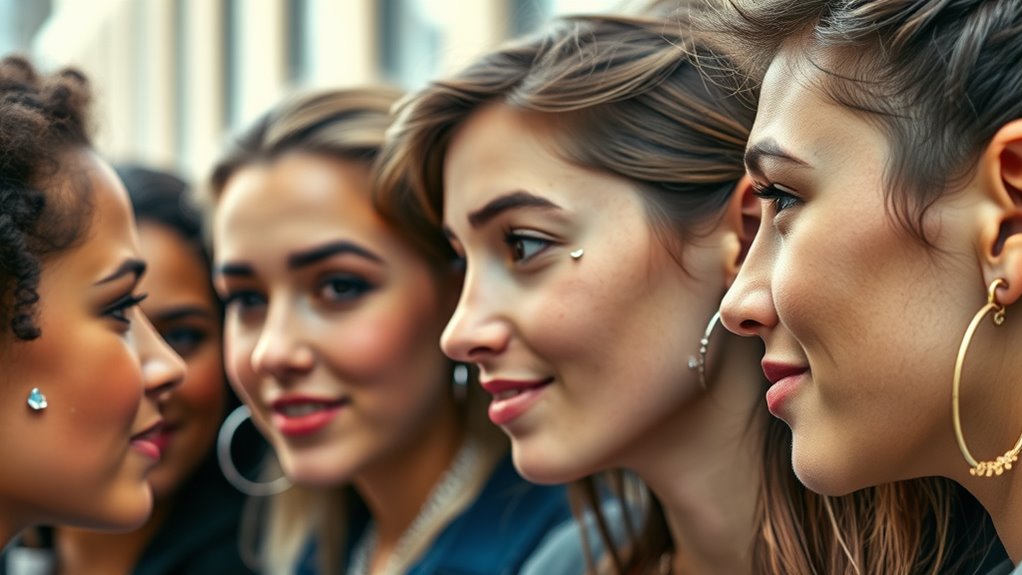
Piercing trends have evolved markedly in recent years, reflecting changing fashion tastes and shifting attitudes toward body modification. As you observe this landscape, you’ll notice how tattoo popularity and social media influence play critical roles in shaping consumer behavior. More individuals are embracing body art and piercings as means of personal expression, often inspired by trends they encounter online. Social media platforms like Instagram and TikTok amplify these trends, showcasing influencers and everyday users flaunting their piercings and tattoos alike. This visibility creates a sense of community and acceptance, encouraging more people to explore body modification without fear of judgment.
You might find that the increased tattoo popularity has a direct impact on piercing trends. As tattoos become more mainstream and less associated with taboo, piercings follow suit, seen as complementary ways to enhance personal identity. The two often go hand-in-hand, with consumers choosing piercings that coordinate with their tattoos or reflect their unique style. Social media acts as a catalyst here, with users sharing their piercing journeys, aftercare routines, and styling tips. These posts demystify the process, making piercing seem more accessible and less intimidating. When you see someone you follow confidently sporting a new cartilage or nose piercing, you’re more likely to contemplate trying it yourself.
Furthermore, social media influence shapes consumer expectations and preferences. Trends can emerge overnight, propelled by viral videos or popular influencers sporting unconventional or bold piercing styles. This instant access to a wealth of inspiration drives demand for specific jewelry types, placements, and piercing techniques. As a result, consumers are more informed and discerning, often researching extensively before booking appointments. You might notice that piercing studios now cater to a broader range of styles, from minimalist to avant-garde, to meet these diverse preferences cultivated online.
Additionally, social media fosters a sense of immediacy; new piercing trends can rapidly gain popularity and fade just as quickly. You’re likely to feel both excitement and pressure to keep up with the latest styles, fueling a cycle of experimentation. This dynamic environment encourages consumers to see piercings not just as body modifications but as evolving fashion statements. Recognizing the influence of modern aesthetic trends helps you understand how piercing styles are continuously adapting to contemporary tastes. Overall, the influence of social media and the rising tattoo popularity have transformed piercing into a highly personalized and trend-driven activity, motivating you to explore your own body modification journey with confidence and awareness of current trends.
Frequently Asked Questions
How Do Cultural Differences Influence Piercing Preferences Globally?
You notice that cultural differences shape piercing preferences through cultural symbolism and traditional practices. In some cultures, certain piercings symbolize rites of passage or spiritual beliefs, influencing what styles are popular. You see that traditional practices often preserve specific piercing types, while modern trends blend these customs with contemporary fashion. This diversity reflects how cultural values and symbolism guide individual choices, making piercing styles uniquely meaningful worldwide.
What Role Does Social Media Play in Shaping Piercing Trends?
Social media plays a major role in shaping piercing trends by fueling viral challenges and influencer endorsements. When you see popular influencers showcasing their piercings or participating in viral challenges, you’re more likely to feel inspired or curious about trying new styles. These platforms create a sense of community and immediacy, making it easier for you to stay updated and influenced by trending piercing ideas, ultimately shaping your preferences and choices.
How Do Age Groups Differ in Piercing Material Preferences?
You notice that age-specific preferences influence piercing material choices markedly. Younger consumers often prefer trendy materials like titanium or colorful plastics, valuing affordability and style. Older customers tend to opt for more durable, hypoallergenic options like surgical steel or gold, prioritizing safety and longevity. These material choice variations reflect differing priorities across age groups, shaping how piercing shops stock their inventories and market their offerings to meet diverse consumer needs effectively.
What Are Emerging Technologies Impacting Piercing Procedures?
You’ll find that emerging technologies like virtual reality and augmented reality are revolutionizing piercing procedures. About 65% of clinics now use AR for client consultations, helping them visualize piercing placements before the actual procedure. Virtual reality is also being explored for training practitioners more effectively. These innovations make the process safer and more personalized, giving you confidence in your choices and enhancing your overall experience with piercing procedures.
How Do Economic Factors Affect Consumer Spending on Piercings?
Economic factors greatly influence your spending on piercings. When disposable income is high, you’re more likely to indulge in trendy or multiple piercings, showing less price sensitivity. Conversely, during tough economic times, you become more cautious, opting for affordable options or delaying piercings altogether. Your purchasing decisions are driven by these shifts, making price sensitivity a key factor in how often and what types of piercings you choose to get.
Conclusion
So, next time you think you’re just following a trend, remember—you’re actually shaping the entire market. Your fleeting fascination with that tiny stud or daring hoop isn’t just about self-expression; it’s fueling a booming industry. It’s funny how something as small as a piercing can hold so much power, isn’t it? Ultimately, your choices aren’t just personal—they’re the silent drivers behind the ever-changing world of piercing trends.