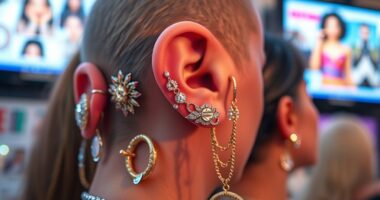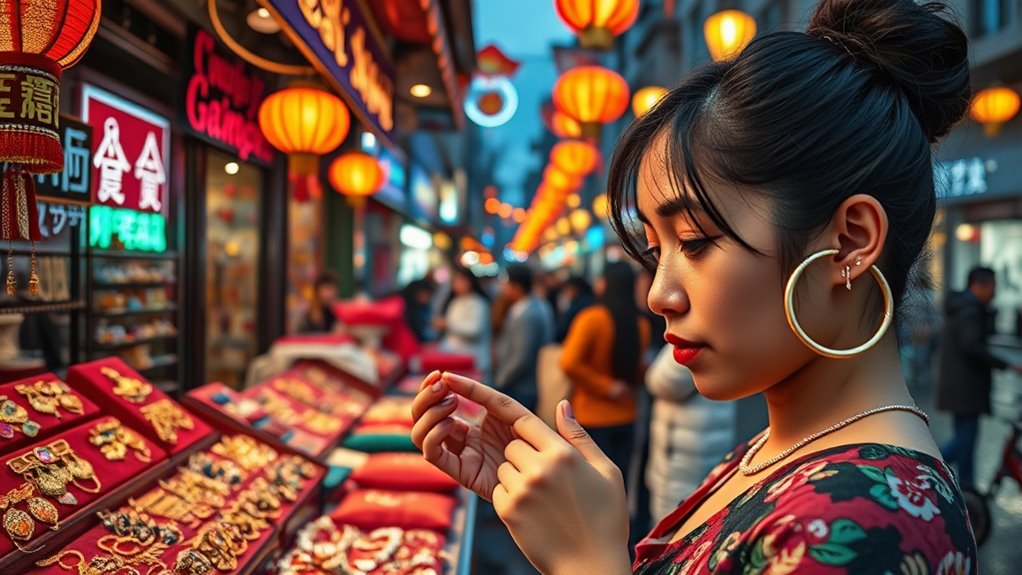

In the Asia-Pacific region, your piercing business can find promising opportunities by understanding local cultural attitudes, which vary from acceptance to stigma. Steering the complex legal and regulatory landscape is essential, as standards differ across countries. Tap into the growing demand among young, urban populations enthusiastic for self-expression and fashion-forward body art. Building trust through safety, professionalism, and cultural respect will position you for long-term success. If you continue exploring, you’ll discover how to best capitalize on these emerging markets.
Key Takeaways
- Growing urban populations and youth culture increase demand for body piercing services across Asia-Pacific markets.
- Diverse cultural attitudes require tailored approaches respecting local customs and social perceptions.
- Regulatory landscapes vary, necessitating compliance with local hygiene standards and licensing requirements.
- Consumer trends favor innovative, trendy piercing options driven by exposure to global fashion influences.
- Building trust through safety standards and cultural sensitivity is vital for long-term market success.

Have you ever wondered where the next big opportunities for piercing businesses are emerging? If you’re looking at the Asia-Pacific region, you’ll find a landscape full of potential, but it’s essential to understand the cultural and regulatory landscape before jumping in. The region presents a vibrant market with diverse cultural attitudes toward body modifications, but your success hinges on maneuvering these differences carefully. In some countries, piercing is widely accepted and even celebrated as part of modern fashion or traditional expression. In others, it may still carry stigma or be viewed as rebellious, making acceptance a key factor to consider when expanding your business. You’ll need to tailor your approach to each market’s cultural nuances, respecting local customs, and understanding the social significance of body art.
Regulatory challenges are another significant hurdle in these emerging markets. Many countries are still developing standards and laws related to piercing procedures, hygiene protocols, licensing, and safety requirements. These regulations can vary greatly from one nation to another, and sometimes even within regions of the same country. You might find that some markets have strict licensing procedures or specific training standards for piercers, which could slow your expansion or require additional investment in compliance. It’s vital to stay updated on legal requirements and engage local experts or legal counsel to guarantee your business operates within the law. Failure to meet regulatory standards could lead to fines, shutdowns, or damage to your reputation, so thorough due diligence is essential.
Despite these challenges, the Asia-Pacific region offers promising growth opportunities. Young populations, urbanization, and increasing exposure to global fashion trends all fuel demand for body modifications, including piercing. Consumers are becoming more open-minded and enthusiastic to consider expressing their individuality through body art, making the market ripe for innovative piercing studios. To succeed here, you’ll need to build trust through cultural sensitivity and strict adherence to safety standards. Establishing a reputation for professionalism and respect for local customs can help you overcome initial hurdles posed by regulatory challenges. By doing so, you’ll position your business as a respectful, reliable option in a dynamic and expanding market.
In short, the key to opening the potential of Asia-Pacific’s emerging piercing markets is understanding and adapting to the regional cultural acceptance and regulatory landscape. When you respect local customs, comply with legal standards, and prioritize safety, you’ll find opportunities for growth that can turn into long-term success. The region isn’t just about expanding your business; it’s about building connections and establishing a trusted brand in a diverse and evolving market.

Rayyl Body Piercing Kit – 43Pcs Professional Piercing Tool Kit with 12G 14G 16G 18G 20G Piercing Needles, Clamps for Ear Nose Belly Button Lip Tongue – Body Piercing Kit Piercing Supplies
- Complete Piercing Kit: Includes clamps, needles, gloves, and pads
- High-Quality Needles: Made from 316L stainless steel, individually packaged
- Disposable Clamps: Anti-allergic, strong, and individually packed
As an affiliate, we earn on qualifying purchases.
As an affiliate, we earn on qualifying purchases.
Frequently Asked Questions
What Are the Cultural Perceptions of Piercing Across Asia-Pacific Countries?
You’ll find that cultural perceptions of piercing across Asia-Pacific countries vary widely. In some regions, piercing enjoys cultural acceptance and is seen as a form of traditional symbolism or spiritual expression. In others, it’s viewed more cautiously or with skepticism, often linked to modern fashion or youth culture. Overall, understanding local customs and traditions is key to orienteering how piercing is perceived and embraced in these diverse societies.
How Do Local Regulations Impact Piercing Business Growth in the Region?
Local regulations greatly impact your piercing business growth in the region. You need to guarantee regulatory compliance to avoid legal issues that could delay or halt your operations. Market entry barriers, such as licensing requirements and health standards, can be challenging but are essential to navigate. By understanding and adhering to these regulations, you position your business for smoother expansion and long-term success in Asia-Pacific markets.
Which Demographic Groups Are Most Interested in Piercing in Asia-Pacific?
You’ll find that teenagers and fashion-forward consumers are most interested in piercing in Asia-Pacific, with studies showing over 60% of young adults aged 15-24 adopting piercings as a fashion statement. These groups stay ahead of trends, seeking unique styles that express individuality. Their enthusiasm drives demand, making them the key demographic for piercing businesses looking to grow in the region. Tapping into their preferences can fuel your success.
How Is Social Media Influencing Piercing Trends in Emerging Markets?
Social media heavily influences piercing trends in emerging markets by spreading new styles quickly. You’re likely to see influencer marketing shape what’s popular, as influencers showcase their own piercing choices and recommend products. This creates a buzz that encourages you to try new trends and experiment with different jewelry. Social platforms make it easy for you to stay updated, discover local artists, and participate in the evolving piercing culture.
What Are the Most Popular Types of Piercings in Different Asia-Pacific Countries?
You’ll find that popular piercing styles vary across Asia-Pacific countries, with each embracing unique traditional jewelry influences. In India, nose piercings with traditional jewelry are common, while Japan favors ear piercings with subtle, modern styles. Southeast Asia often sees septum piercings influenced by tribal traditions, and Australia tends toward minimalist cartilage piercings. These diverse styles reflect cultural heritage and evolving fashion, making the region’s piercing scene vibrant and dynamic.
Conclusion
As you navigate the vibrant world of piercing markets, remember that Asia-Pacific is a rising star, bursting with opportunity like a phoenix soaring from the ashes. By tapping into these emerging markets, you can ride the wave of growing demand and cultural shifts, turning your vision into reality. Don’t just watch the scenery—be the wind shaping the future of piercing in this dynamic region. The horizon’s calling—are you ready to answer?