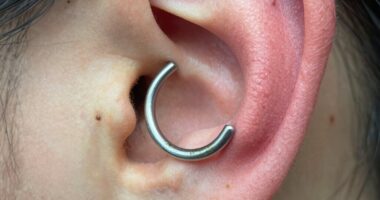

Choosing body jewelry for sensitive skin or fresh piercings requires looking beyond aesthetics and focusing on material composition. The market is flooded with terms like “surgical steel,” “hypoallergenic,” and “nickel-free,” but these labels often lack regulatory backing. Two materials consistently rise to the top for those seeking to minimize allergic reactions and irritation: ASTM F136 Titanium and ASTM F138 Implant Grade Stainless Steel. While both are considered safe for long-term wear, they are not identical in their chemical makeup or physical properties. The core tension in this decision lies in the balance between absolute biocompatibility and practical durability. Titanium is an inert metal that contains no nickel, making it the gold standard for those with known metal allergies or severe sensitivities. Implant-grade steel, on the other hand, is an iron-based alloy that contains small amounts of nickel and chromium. Although the nickel is bound within the alloy matrix and generally does not leach out in significant quantities, the mere presence of nickel can be a dealbreaker for highly reactive individuals. This comparison explores which of these two industry-standard materials best fits your specific skin needs, healing stage, and budget constraints.

Get beauty and skincare favorites delivered free with Prime
- Fast, free delivery on millions of items
- Prime Video, Amazon Music and more included
- Member-only deals all year

OUFER 2PCS F136 Titanium D-Shaped Nipple Rings
- ✔ Material: G23 titanium
- ✔ Quantity: 2 rings
- ✔ Gauge: 14 gauge (1.6 mm)

Clear Piercing Retainers Body Jewelry Set for Nose, Belly Button, Septum, Eyebrow, Lip, Cartilage, Tragus – 6pcs 14G Clear Acryli…
- ✔ Material: Bioflex acrylic; described as nickel- and lead-free
- ✔ Quantity: 6 pieces
- ✔ Gauge: 14 gauge (1.6 mm)

Skylarking 110-Piece Body Jewelry Piercing Kit (22 Styles)
- ✔ Materials: 16L surgical stainless steel and acrylic
- ✔ Piece count: 110
- ✔ Style count: 22
At a Glance
| Criteria | ASTM F136 Titanium | ASTM F138 Implant Grade Steel | Winner |
|---|---|---|---|
| Nickel Content | 0% Nickel | Contains trace nickel | A |
| Biocompatibility | Highest inertness | High, but not inert | A |
| Durability | High strength but softer surface | Very high scratch resistance | B |
| Weight | Very light | Heavier | A |
| Cost | Higher initial cost | Lower initial cost | B |
| Color Options | Limited (Natural, Anodized) | Wide (Polished, PVD coated) | B |
| Suitability for New Piercings | Ideal | Good for healed piercings | A |
OUFER 2PCS F136 Titanium D-Shaped Nipple Rings
For shoppers who put material clarity ahead of assortment, OUFER is the most convincing choice in this comparison. The rings are described as G23 titanium, a lightweight metal identified as suitable for sensitive skin, and the set keeps the material consistent rather than mixing metal with acrylic. Compared with the Skylarking kit, that makes it easier to know what type of jewelry you are selecting. The clear retainers may cover more piercing locations, but they do not offer the same metal-based construction.The D-shaped, seamless design is intended to slide on and stay in place, making this a focused option for buyers who want a pair of rings rather than a drawer of assorted styles. Its stated 14-gauge thickness and 14 mm diameter are useful reference points, but buyers should verify that both dimensions suit their piercing. The description lists nipple, septum, daith, and other cartilage use; those applications do not mean the same ring will fit every anatomy or piercing placement.The main compromise is quantity and specificity. We get two rings, not a multi-location set, and the fixed size may be unsuitable if the diameter or gauge differs from what a wearer needs. This is a more deliberate purchase than the six-piece retainer set, but it is also the strongest pick here when a clearly named titanium material is the priority. Skip it if you need transparent retainers, multiple sizes, or a larger assortment.
Pros:
- Made from specified G23 titanium, described as lightweight and hypoallergenic.
- Seamless D-shaped design is intended for straightforward insertion and removal.
- Two-piece set provides a matching pair.
- Listed for nipple, septum, daith, and other cartilage piercing use.
Cons:
- Only two rings are included, so additional piercings require another purchase.
- The 14-gauge, 14 mm sizing may not match every piercing.
Best for: Buyers seeking a pair of lightweight, clearly specified G23 titanium rings in the listed 14-gauge, 14 mm size.
Not ideal for: Shoppers who need several different sizes, clear retainers, or jewelry for multiple piercings in one purchase.
Bottom line: We rank OUFER first for its clearly specified titanium and focused design, provided the fixed size matches your piercing.
“We rank OUFER first for its clearly specified titanium and focused design, provided the fixed size matches your piercing.”
Clear Piercing Retainers Body Jewelry Set for Nose, Belly Button, Septum, Eyebrow, Lip, Cartilage, Tragus – 6pcs 14G Clear Acryli…
This six-piece set is the practical middle ground between OUFER’s focused titanium pair and Skylarking’s much larger mixed-material assortment. Its clear, nickel- and lead-free bioflex acrylic construction is aimed at wearers who want discreet retainers for several kinds of piercing. The click closure also avoids the separate parts associated with some jewelry designs, although buyers should still check that the ring’s dimensions and closure suit their placement.Its strongest advantage is versatility within a consistent format: the listing names nose, navel, septum, eyebrow, lip, cartilage, and tragus applications. That is more varied than OUFER’s two-ring purchase, while being less material-ambiguous than Skylarking’s combination of stainless steel and acrylic. But “for multiple piercings” does not equal universal fit. Every piece is listed at 14 gauge and 10 mm, so this set is a poor match if your piercing needs another thickness or wearable diameter.We would choose these retainers for a buyer who values a low-visibility look and wants several pieces in one set, not for someone seeking a durable titanium alternative or a precise choice of sizes. The acrylic material is an important distinction: people who have reacted to acrylic should not treat the nickel- and lead-free claim as proof that it will work for them. Compared with OUFER, the set offers more pieces and locations but less of the clearly identified metal construction that makes the titanium rings our overall pick.
Pros:
- Six clear pieces provide more coverage than the two-ring OUFER set.
- Material is described as nickel- and lead-free bioflex acrylic.
- Click closure is designed for opening and securing without tools.
- Listed for a range of piercing locations, including nose, navel, lip, and cartilage.
Cons:
- Only one size is listed: 14 gauge and 10 mm.
- Acrylic may not suit buyers seeking titanium or those sensitive to acrylic.
Best for: Wearers who want multiple clear retainers for different piercing locations and whose fit matches the listed 14-gauge, 10 mm dimensions.
Not ideal for: Anyone who needs a different gauge or diameter, prefers titanium, or has a known sensitivity to acrylic.
Bottom line: We recommend this set for clear, multi-location retainer use when its single listed size and acrylic material are appropriate.
“We recommend this set for clear, multi-location retainer use when its single listed size and acrylic material are appropriate.”
Skylarking 110-Piece Body Jewelry Piercing Kit (22 Styles)
Skylarking takes a different route from the other two picks: its selling point is assortment, not a single clearly defined hypoallergenic material. The 110-piece kit spans 22 styles and is listed for lip, tongue, navel, eyebrow, and nose piercings. For someone who wants to explore different looks across several placements, that breadth may be more useful than OUFER’s two matching titanium rings or the clear retainer set’s six similar pieces.The tradeoff is especially important for sensitive-skin shoppers. The kit combines 16L surgical stainless steel and acrylic, so buyers cannot treat every piece as the same material. The description does not specify which styles use which material or provide a selection process for choosing exact colors and designs. Compared with the titanium option, this leaves less certainty for a buyer who already knows which material they tolerate; compared with the retainers, it offers more styles but less focus on discreet, clear jewelry.Random color and style selection also means the advertised variety may not translate into a carefully tailored set. Duplicates or unwanted designs are possible, and the acrylic pieces call for material-appropriate cleaning. We place this kit third because piece count alone does not make it the strongest choice for a hypoallergenic-focused purchase. It makes sense when variety is the priority and the buyer can identify and avoid any materials they do not tolerate. Skip it if you need a specific titanium piece, exact style selection, or confidence that every item shares one construction.
Pros:
- Large 110-piece assortment spans 22 styles.
- Includes jewelry intended for lip, tongue, navel, eyebrow, and nose piercings.
- Combines stainless steel and acrylic options for varied looks.
- Offers a broader style range than either the titanium pair or clear retainer set.
Cons:
- Random colors and styles may include duplicates or unwanted pieces.
- Mixed materials make it less straightforward for buyers prioritizing one known-tolerated material.
- Acrylic components require appropriate cleaning, and exact style selection is unavailable.
Best for: Buyers comfortable sorting a varied stainless-steel and acrylic assortment who want many styles for several piercing placements.
Not ideal for: People who need one clearly specified material throughout, want to select exact colors, or know they react to one of the included materials.
Bottom line: We would choose Skylarking for assortment only, not as the most dependable option when material specificity is the main hypoallergenic concern.
“We would choose Skylarking for assortment only, not as the most dependable option when material specificity is the main hypoallergenic concern.”
As an Amazon Associate we earn from qualifying purchases.
Key Differences
The most critical distinction between these two materials is the presence of nickel. Nickel is the most common cause of contact dermatitis in body jewelry. ASTM F136 Titanium is a pure, unalloyed metal that contains no nickel. This means that for individuals with a confirmed nickel allergy, titanium is the only safe option among these two. Implant-grade steel (ASTM F138) is a 316LVM steel alloy. While it is “implant-grade,” meaning it meets strict standards for use inside the human body, it is not nickel-free. The nickel is part of the alloy’s structure, which stabilizes the metal and prevents corrosion. For the vast majority of people, this bound nickel does not cause issues. However, for those with high sensitivity, even trace amounts can trigger inflammation, redness, or itching. If you have a history of reacting to cheap jewelry, titanium removes this variable entirely.
Durability and maintenance also differ significantly. Implant-grade steel is harder than titanium. This means it is more resistant to scratches and dents if you bump your jewelry or catch it on clothing. Titanium is softer; while it is strong enough for daily wear, it is more prone to surface marring. A scratched surface can harbor bacteria, making cleaning more difficult. However, titanium’s inert nature means that even if it is scratched, it will not corrode or release allergens. Steel, if scratched deeply enough to compromise the passive oxide layer, theoretically has a higher risk of corrosion, though this is rare in high-quality implant-grade steel. For people who are clumsy or work in environments where jewelry might get bumped, steel offers more resilience. For those who prioritize absolute chemical safety over scratch resistance, titanium wins.
Detailed Comparison
Nickel Allergy Safety (ASTM F136 Titanium wins — major)
This is the primary reason readers compare these two. Titanium (Option A) is completely devoid of nickel. It is biologically inert, meaning it does not react with body fluids or skin. Implant-grade steel (Option B) contains approximately 10-14% nickel. In high-quality steel, this nickel is tightly bound and does not leach out under normal conditions. However, for individuals with a diagnosed nickel allergy, even microscopic exposure can cause contact dermatitis. If you have ever reacted to cheap earrings or belt buckles, steel poses a risk. Titanium eliminates this risk entirely. For the general population, steel is safe, but for sensitive skin, titanium is the clear winner. The gap here is major for allergic individuals and minor for non-allergic ones.
Durability and Scratch Resistance (ASTM F138 Implant Grade Steel wins — moderate)
Implant-grade steel (Option B) is significantly harder than titanium (Option A). This hardness translates to better resistance against scratches and dents. If your jewelry is frequently exposed to friction, such as in navel or ear cartilage piercings that rub against headphones or collars, steel will maintain its polished look longer. Titanium is softer. While it will not break easily, it can develop fine scratches over time. These scratches can create microscopic crevices where bacteria and dead skin cells accumulate, potentially leading to irritation if not cleaned thoroughly. However, because titanium is inert, the metal itself will not cause a reaction even if scratched. Steel is the winner for physical durability, but titanium remains safe even when cosmetically damaged. The gap is moderate, depending on your lifestyle and how careful you are with your jewelry.
Weight and Comfort (ASTM F136 Titanium wins — moderate)
Titanium (Option A) is approximately 40-45% lighter than steel (Option B). For small piercings like earlobes, this difference is negligible. However, for larger gauge piercings, such as stretched earlobes or lip piercings, the weight difference becomes noticeable. Heavy steel jewelry can cause stretching or migration of the piercing hole over time due to gravity. Titanium reduces this gravitational pull, making it more comfortable for long-term wear, especially during sleep. If you sleep on your piercings, the lighter weight of titanium reduces pressure and discomfort. Steel feels more substantial and secure, which some users prefer, but titanium offers a ‘barely there’ sensation. For those with sensitive, swollen, or healing piercings, the reduced weight of titanium is a significant comfort advantage. The gap is moderate, becoming major for large-gauge or sensitive-area piercings.
Cost and Value (ASTM F138 Implant Grade Steel wins — minor)
Implant-grade steel (Option B) is generally more affordable than titanium (Option A). Titanium requires more complex manufacturing processes and is a more expensive raw material. You can expect to pay 20-50% more for titanium jewelry compared to comparable steel pieces. For someone on a tight budget, steel offers excellent value. It meets medical-grade standards and is safe for most people. However, if you have sensitive skin, the ‘savings’ from buying steel might be wiped out by the cost of treating an allergic reaction or replacing jewelry that causes irritation. In this context, titanium’s higher upfront cost is justified by its guaranteed compatibility for sensitive users. For non-sensitive users, steel provides better value. The gap is minor in absolute dollar terms but significant in value proposition depending on skin sensitivity.
Aesthetic Variety and Coatings (ASTM F138 Implant Grade Steel wins — moderate)
Implant-grade steel (Option B) accepts a wider variety of finishes and coatings. It can be polished to a mirror shine, brushed, or coated with PVD (Physical Vapor Deposition) to create colors like black, gold, or rose gold. These coatings are durable and can last for years. Titanium (Option A) is naturally gray. It can be anodized to create vibrant colors, but the colors are translucent and can fade or chip over time, especially on the surface. Titanium cannot be plated with other metals without compromising its hypoallergenic properties. If you want bold, opaque colors like bright gold or black, steel is the better choice. If you prefer the natural metallic look or subtle anodized hues, titanium is sufficient. The gap is moderate for style-conscious buyers and minor for those who prefer natural metal tones.
ASTM F136 Titanium: Pros and Cons
Pros:
- Completely nickel-free and hypoallergenic
- Lighter weight reduces stress on piercings
- Inert material does not react with body fluids
- Ideal for initial piercings and sensitive skin
- Resistant to corrosion even if scratched
Cons:
- Softer surface is prone to scratches
- Higher initial cost compared to steel
- Limited color options (mostly gray or anodized)
- Anodized colors can fade or chip
- Harder to find in decorative styles
ASTM F138 Implant Grade Steel: Pros and Cons
Pros:
- Excellent durability and scratch resistance
- More affordable than titanium
- Wide range of colors and finishes available
- Heavier weight feels more substantial
- Widely available in many jewelry styles
Cons:
- Contains nickel, which can trigger allergies
- Heavier weight may cause migration
- Not suitable for highly sensitive skin
- Coatings can wear off over time
- Requires careful cleaning to prevent buildup
Who Should Choose What
Choose ASTM F136 Titanium if:
- You have a known nickel allergy or sensitive skin
- You are getting a new piercing and want the safest option
- You prefer lightweight jewelry for large gauges
- You have experienced irritation with steel in the past
Choose ASTM F138 Implant Grade Steel if:
- You have no history of metal allergies
- You are on a strict budget
- You want colored or gold-plated jewelry options
- You need maximum durability for active lifestyles
- You prefer the heavier feel of steel
Skip both if: You have a severe metal allergy to all metals, including titanium and steel, in which case you should consult a dermatologist and consider non-metal options like glass or PTFE (Bioplast) for temporary wear.
Value for Money
Is paying more for titanium worth it? For the general population, the answer is often no. Implant-grade steel meets the same medical safety standards for biocompatibility as titanium for most people. If your skin tolerates steel without issue, the extra cost of titanium buys you only marginal benefits in weight and absolute inertness. However, for individuals with sensitive skin or known allergies, titanium is not just a luxury; it is a necessity. The cost of treating an allergic reaction, including creams, doctor visits, and potentially losing a piercing, far exceeds the price difference between the two materials. In this specific case, titanium offers superior value by preventing health issues. For those who prioritize aesthetics, steel often provides better value because it supports a wider range of decorative finishes at a lower price point. Ultimately, value is determined by your skin’s reaction. If steel irritates you, it is worthless regardless of price. If it does not, it is the better financial choice.
Final Verdict
For the majority of people with normal skin sensitivity, Implant Grade Steel (Option B) is the practical choice. It is durable, affordable, and safe when properly cared for. It offers the best balance of cost and performance for daily wear. However, for anyone with a history of skin reactions, nickel allergies, or who is currently healing a new piercing, ASTM F136 Titanium (Option A) is the superior and recommended option. The risk of irritation with steel is not worth the savings if you are prone to sensitivity. Titanium removes the variable of nickel entirely, providing peace of mind and a higher likelihood of successful healing. If you are unsure about your sensitivity, start with titanium. You can always switch to steel later if you experience no issues, but switching from steel to titanium after an irritation event may complicate the healing process.
Frequently Asked Questions
Is ‘Surgical Steel’ the same as Implant Grade Steel?
No. ‘Surgical Steel’ is a marketing term with no standard definition. It often refers to 316L stainless steel, which is lower quality than ASTM F138 Implant Grade Steel. 316L contains more impurities and a higher risk of nickel leaching. Always look for the ASTM F138 designation to ensure you are getting true implant-grade material.
Can I wear titanium if I am allergic to steel?
Yes, in most cases. If you are allergic to steel, it is likely due to nickel. Since titanium contains no nickel, it will not trigger a nickel allergy. However, rare allergies to titanium itself exist, though they are extremely uncommon. Titanium is the recommended alternative for those with steel sensitivities.
Does anodized titanium lose its color?
Anodized titanium colors are created by thickening the oxide layer on the surface, not by adding dye. Because the color is part of the surface structure, it does not chip or peel like plating. However, the color can fade or change slightly over time due to wear and exposure to oils. It is more durable than plating but less permanent than the natural gray of titanium.
Which is better for healing a new piercing?
Titanium is better for healing new piercings. Its inert nature minimizes the risk of irritation, which is critical during the healing process. Steel can sometimes cause minor irritation in fresh wounds, delaying healing. Most professional piercers default to titanium for initial jewelry for this reason.