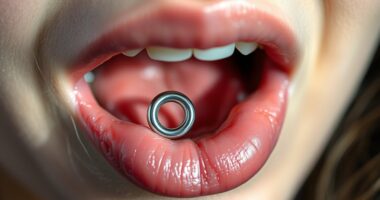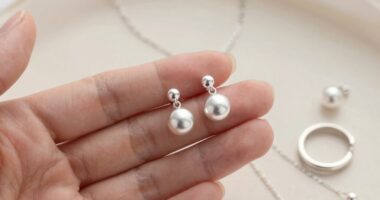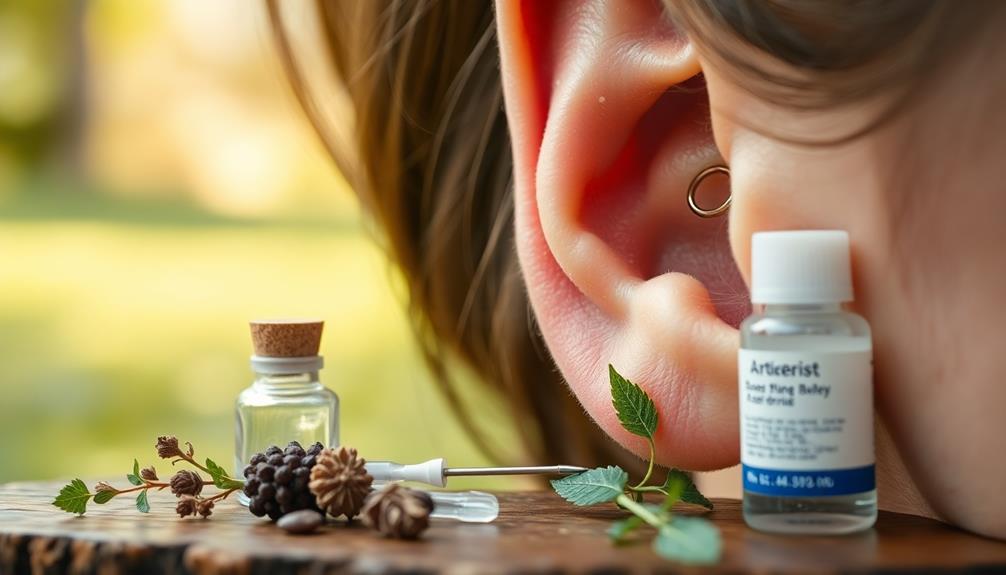
If you have a body piercing, it’s important to be aware of potential allergic reactions to metals like nickel, cobalt, and chromium, which are common causes. Even jewelry labeled “nickel-free” can contain trace amounts that may trigger sensitivities. Symptoms such as redness, swelling, and itching indicate a reaction. Choosing hypoallergenic options like surgical stainless steel, titanium, or gold helps prevent issues. If you experience persistent irritation, removing the jewelry and consulting a professional can help you understand your sensitivities better. Learn more to protect yourself.

Get beauty and skincare favorites delivered free with Prime
- Fast, free delivery on millions of items
- Prime Video, Amazon Music and more included
- Member-only deals all year
Key Takeaways
- Nickel is the primary metal causing allergic reactions in body piercings.
- Hypoallergenic materials like titanium or niobium reduce allergy risks.
- Symptoms include redness, itching, swelling, and persistent irritation around the piercing.
- Even “nickel-free” jewelry may contain trace metals provoking allergies.
- Proper jewelry fit and aftercare help prevent allergic reactions and skin irritation.

Getting a body piercing can be an exciting way to express yourself, but it also comes with potential allergy risks. One of the most common issues people face after piercing is allergic reactions to certain metals. Metal sensitivity varies from person to person, but nickel is often the main culprit. If you’re sensitive to nickel, even small amounts can trigger uncomfortable symptoms such as redness, swelling, itching, or rash around the pierced area. Understanding your own sensitivities before getting pierced can save you from a lot of frustration and discomfort later on.
Getting pierced? Know your metal sensitivities to avoid uncomfortable allergic reactions and enjoy a smooth experience.
Steroid reactions can sometimes be mistaken for metal allergies, but they’re different issues. If you’ve had previous reactions to topical steroids or other medications, you might notice skin irritation after piercing, which can mimic allergy symptoms. However, steroid reactions tend to be more related to skin sensitivity or irritation caused by topical treatments or systemic medications, rather than the metal itself. It’s important to distinguish between these reactions because treatment approaches differ. If you suspect a steroid reaction, consult your healthcare provider to determine whether your skin’s response is due to medication sensitivity or metal allergy.
Metal sensitivity is primarily a reaction to certain alloys used in jewelry. Nickel, in particular, is notorious for causing allergic responses, especially in people with prolonged or repeated exposure. Even jewelry labeled as “nickel-free” can sometimes contain trace amounts of nickel or other metals that may provoke a reaction. Some individuals are also sensitive to other metals like cobalt or chromium, which are often present in stainless steel or other metal blends used in body jewelry. When you get pierced, it’s best to choose jewelry made from hypoallergenic materials such as surgical stainless steel, titanium, niobium, or even gold. These options are less likely to cause an allergic response, especially if you have a history of metal sensitivity.
Additionally, the type of piercing and your aftercare routine can influence your risk of developing allergy symptoms. Wearing jewelry that fits poorly or isn’t suitable for your skin type can increase irritation and prolong healing, making allergic reactions more likely. Newer AI-powered technologies are also being developed to help identify metal sensitivities more accurately, which can be beneficial when selecting jewelry. If you notice persistent redness, swelling, or irritation, it’s wise to remove the jewelry and see a professional. They can recommend alternative materials or treatment options to help you heal comfortably. Being aware of your own sensitivities and choosing the right jewelry can make your piercing experience much more enjoyable and free of complications.
hypoallergenic body piercing jewelry
As an affiliate, we earn on qualifying purchases.
As an affiliate, we earn on qualifying purchases.
Frequently Asked Questions
Can Allergies Develop Years After Getting Pierced?
Yes, allergies can develop years after your piercing. Delayed allergy development is common, meaning you might not notice a reaction right away. Your piercing timeline plays a role, as initial healing doesn’t guarantee long-term immunity. Over time, exposure to certain metals or irritants can trigger an allergic response. Stay alert for itching, redness, or swelling, and consult a professional if you suspect an allergy has developed long after your piercing.
Are There Age Restrictions for Metal Allergies and Piercings?
You might wonder about piercing age restrictions and metal allergies. Statistically, 10-20% of people develop metal allergies, regardless of age. Usually, piercings can be done at any age, but some places have piercing age restrictions to protect minors. If you’re concerned, consider metal allergy testing beforehand. This way, you can choose hypoallergenic jewelry and reduce allergy risks, ensuring a safe piercing experience at any age.
How Can I Test for Metal Allergies Before Piercing?
You can test for metal allergies through patch testing or allergy screening. Schedule an appointment with an allergist who will apply small amounts of metals like nickel on your skin using patches, then observe for reactions over 48-72 hours. This helps identify sensitivities prior to getting pierced. Doing this upfront can prevent allergic reactions and ensure you choose hypoallergenic jewelry, making your piercing experience safer and more comfortable.
Do All Body Piercings Carry the Same Allergy Risks?
Coincidentally, not all body piercings carry the same allergy risks. Your risk of metal sensitivity depends largely on the piercing materials used. Some metals, like nickel, are more likely to trigger allergic reactions, while hypoallergenic options like surgical steel or titanium pose less danger. Always check the materials beforehand, regardless of the piercing type, to minimize your allergy risks and guarantee a smooth healing process.
Are There Natural or Hypoallergenic Materials Suitable for Piercings?
Yes, there are natural and hypoallergenic materials suitable for piercings. You should consider options like surgical stainless steel, titanium, or niobium, which are known for their low allergy risk. Organic materials such as wood, bone, or certain biocompatible plastics can also be safe, especially if you have sensitivities. Always check with your piercer to verify these hypoallergenic options are appropriate for your specific allergy concerns.
Conclusion
Think of your body jewelry as a delicate thread woven into your life’s tapestry. When you choose hypoallergenic metals, you’re safeguarding that thread from fraying, ensuring your story remains vibrant and unbroken. Nickel and other metals are like storms that can darken your colors, but with mindful choices, you keep your masterpiece shining bright. Embrace metals that honor your skin’s harmony, and let your body’s artwork forever reflect peace, resilience, and beauty.
Fall Picks
fall essentials
As an affiliate, we earn on qualifying purchases.