
TL;DR

Get beauty and skincare favorites delivered free with Prime
- Fast, free delivery on millions of items
- Prime Video, Amazon Music and more included
- Member-only deals all year
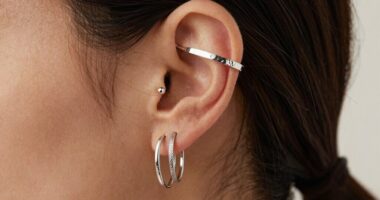
Body piercing jewelry is an adornment that sits in or passes through a piercing, so its material, shape, finish, and fit all matter. For a fresh piercing, ask a reputable piercer to choose and fit jewelry for your anatomy and healing stage; for a healed piercing, check dimensions and material details before buying. A photo or broad label such as “surgical steel” cannot tell you everything you need to know.
A piercing can look calm in the mirror while the channel beneath the surface is still healing. That is why body piercing jewelry is more than a finishing touch: it sits in or passes through tissue, and the wrong material or fit can press, snag, or irritate it.
Your best choice depends on where the piercing sits, whether it is healed, your anatomy, and the jewelry’s construction. A tiny stud that feels effortless in an earlobe may not suit a different location, and a shiny online listing cannot show you how a piece will fit. Here’s how to compare materials and styles, spot useful quality details, and know when to ask a piercer for help.
Choose jewelry for the piercing’s location, your anatomy, and its healing stage.
Ask what a piece is made from; “surgical steel” and “hypoallergenic” do not give you the full material details.
Have a piercer confirm gauge and dimensions if you are unsure about fit.
Check surfaces, edges, threads, and closures before inserting a piece.
Ask a reputable piercer about a healing piercing, a poor fit, or persistent irritation.
Choose jewelry by healing stage, not just by style
Body piercing jewelry for a fresh piercing should be selected for the piercing’s location, your anatomy, and its healing stage. A piece that works as a fashion accessory in a healed piercing may not suit a new one, even if it looks similar in a product photo. Your piercer can choose a starting style and fit that account for those details.
Healing varies from person to person, and the outside can look settled before the channel has fully healed. For example, a new piercing may feel comfortable on Tuesday, but still be vulnerable to pressure from headphones or movement from a loose piece. Looking calm is not the same as being ready for a jewelry change.
Ask before changing jewelry if a piercing is healing, the fit feels wrong, or you are unsure whether the channel has healed. A reputable piercer can assess the piece and handle a needed change. Follow their aftercare instructions, and seek medical advice for signs of infection or other concerning symptoms. Don’t force jewelry that feels stuck or tight.
Think of the initial piece as a well-fitted shoe: its job is to suit the conditions around it, not just look good on the shelf. Once a piercing has healed, you have more room to explore styles, but size and construction still matter. If you wear body jewelry during exercise or sleep, consider whether it could snag on a shirt, towel, or bedding.
Products Worth Considering

Withings Body Scan Smart Scale with Segmental Body Composition and ECG, Black

Oral-B iO5 Rechargeable Electric Toothbrush with 5 Cleaning Modes and Travel Case, White

Hyperice Normatec Elite Wireless Compression Boots
As an affiliate, we earn on qualifying purchases.
Compare materials with your skin in mind
Body piercing jewelry material matters because the piece stays in contact with skin and, in some locations, mucous membranes. Implant-grade titanium, niobium, and suitable solid gold are common options to discuss with a professional piercer. Your choice depends on the exact material and your sensitivities; “hypoallergenic” is not a precise description of what an item contains.
“Surgical steel” is a broad label. Ask what alloy the seller means and whether the manufacturer identifies a relevant material standard. This matters if you have a suspected metal allergy or have reacted to jewelry before. A piercer or healthcare professional can help you weigh the details, especially if you are choosing a piece for a fresh piercing.
Plated jewelry can wear down over time and expose the metal underneath. Imagine a gold-colored finish rubbing thin where a ring catches on a scarf: what touches your skin may no longer be the surface you bought. Plated pieces are generally better suited to healed piercings than fresh ones, but check their construction and ask for professional guidance.
Get specific material information rather than choosing by color or marketing language alone. A clear product listing should identify what the jewelry is made from, and a reputable seller should be able to answer questions about its construction. When details are missing, pause and ask your piercer before putting the piece into a piercing.
Match the style and size to your anatomy
Body piercing jewelry style and fit should suit both the piercing’s location and your anatomy. Common options include studs, labrets, rings, barbells, circular barbells, and curved barbells, but one shape does not suit every piercing. The right gauge, length, or diameter is a fitting decision, not a universal number you can pick from a trend photo.
A bar that is too tight can press into tissue, while one that is too long can shift and snag. Picture a person whose fresh piercing catches on a knit sweater each morning: a different fit or style, selected by a piercer, might reduce that repeated tugging. If jewelry feels tight or becomes embedded, contact a reputable piercer or healthcare professional promptly; don’t force it out.
Rings can work in some fresh piercings, while other locations may heal more reliably with a different style. The answer depends on the location, anatomy, fit, and healing stage. A hoop that looks delicate in a close-up may still move more than you want in everyday life, especially if a helmet, headphones, or clothing presses against the area.
Ask your piercer to confirm the dimensions before you order online or swap styles. Reputable sellers should list gauge and measurements, but you still need to know which size suits your piercing. A friend’s comfortable labret is a useful example of one person’s fit—not a measurement for your body.
Spot quality details before you buy
Well-made body piercing jewelry has clearly described materials and dimensions, smooth surfaces, and secure closures. Edges and threads should not feel rough or damaged. These details matter because the piece moves against tissue and may need to be inserted or removed without scraping the channel.
Internally threaded and threadless designs can keep exposed external threads from passing through the piercing during insertion. That feature alone does not make a piece right for you: the jewelry still needs the correct size, finish, and placement. Think of a smooth door handle: a refined surface helps, but the handle still has to fit the door.
Online shopping makes more designs easy to find, from minimalist studs to customizable pieces. But a bright studio photo cannot tell you whether a closure feels secure or whether an edge is polished. Before ordering, look for the material, gauge, dimensions, and closure type. If the listing just says “premium” or “safe for all piercings,” ask the seller for specifics.
For example, if you are comparing two plain labrets, the less flashy listing may be the more useful one if it names the metal, gives measurements, and explains the closure. If the details remain unclear, a specialist seller or professional piercer can help you judge the construction. Good information is part of the product.
Use these four checks before changing or buying
Before you buy or change body piercing jewelry, check the healing stage, material, fit, and construction. These four questions help you move from “I like the look” to “I know what this piece is and whether it may suit my piercing.” If you have a new piercing or a history of metal sensitivity, bring the questions to your piercer.
- Check healing: Is the piercing fully healed, or does a piercer need to assess it first? A calm-looking surface does not settle that question.
- Check material: Does the seller name the specific material and relevant details, rather than relying on “surgical” or “hypoallergenic”?
- Check fit: Do you know the gauge, length, or diameter your anatomy needs? Ask a piercer to measure or confirm.
- Check finish and closure: Are surfaces smooth, edges sound, and closures secure? Don’t insert a piece with rough or damaged threads.
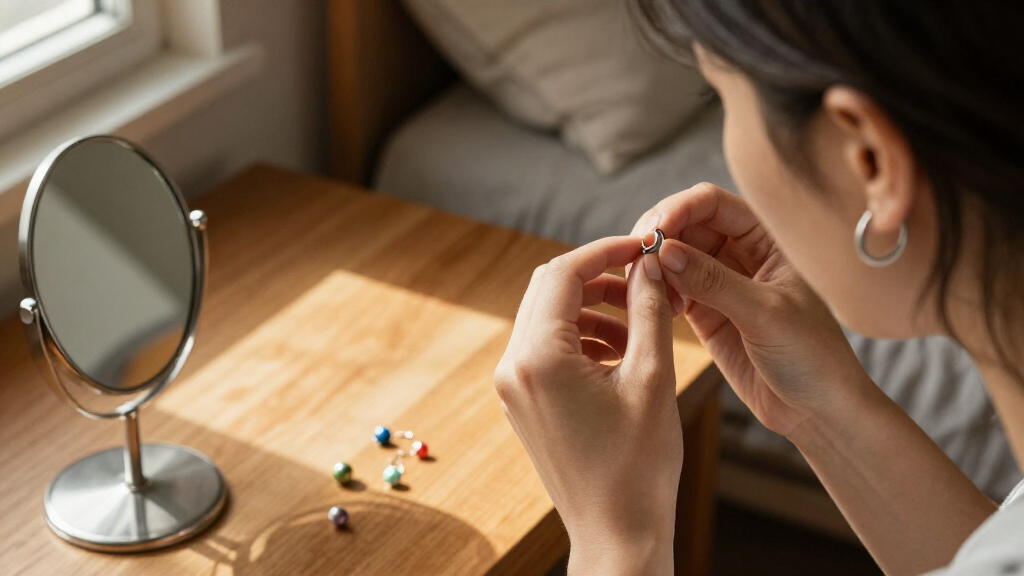
For instance, imagine you want to replace a simple stud with a small hoop before a weekend trip. If you’re uncertain about healing or ring diameter, ask your piercer before you leave; a quick fit check is more useful than guessing in a hotel mirror. You can also ask how to care for the new piece.
For a healing piercing, follow your piercer’s aftercare instructions rather than repeatedly removing jewelry to clean it. For a healed piercing, follow the manufacturer’s care guidance and use a cleaning method suited to the material. If irritation persists or worsens, ask a professional instead of repeatedly swapping pieces to see what happens.
Frequently Asked Questions
What jewelry is best for a new piercing?
The best choice depends on the piercing’s location, your anatomy, and its healing stage. Ask a reputable piercer to select and fit a piece for you rather than choosing from a photo.
Is surgical steel safe for piercings?
It depends on the specific alloy and your sensitivities; “surgical steel” alone does not identify the composition. Ask the seller for details and consult a professional piercer, especially if you suspect a metal allergy.
When can I change my piercing jewelry?
Healing times vary, and a piercing can look settled before the channel has fully healed. Ask a piercer to assess it if you are unsure or need a change sooner because of fit or irritation.
Can I wear a hoop in a fresh piercing?
Some piercings can start with a ring, while others may heal more reliably with another style. The choice depends on location, anatomy, and fit, so let your piercer decide what suits yours.
What should I do if jewelry feels too tight?
Contact a reputable piercer or healthcare professional promptly, particularly if the jewelry seems embedded. Do not force it out; a professional can advise you on the next step.
How do I know whether my piercing has healed?
Appearance alone is not a reliable guide, and healing varies by piercing and person. A piercer can assess the channel and advise whether a jewelry change is appropriate.
Conclusion
Choose body piercing jewelry by checking its material, fit, construction, and suitability for your healing stage. If any of those details are unclear, take the piece or its listing to a reputable piercer before you buy or change it.
A good piece should feel like a quiet finishing touch, not something you notice because it snags, presses, or irritates. Let the fit do its work, then enjoy the shine.