
TL;DR

Get beauty and skincare favorites delivered free with Prime
- Fast, free delivery on millions of items
- Prime Video, Amazon Music and more included
- Member-only deals all year
Research is examining how the gut microbiota communicates with the brain and may relate to mood, stress and sleep. The relationship is complex, and the source report does not establish that gut imbalance causes mental illness or that probiotics treat it.
A report by Glamour UK describes ongoing research into how the gut microbiota may relate to mood through communication between the digestive system and the brain. Researchers are investigating links involving stress responses, sleep and neurotransmitter-related processes, but the evidence described does not show that gut microbes alone cause emotional distress or that probiotics can treat it.
The report distinguishes the microbiome—the environment in which microbes live—from the microbiota, the microorganisms themselves. These communities are found in the digestive tract and other parts of the body. Research centres named in the report, including the Alicante Institute of Neurosciences and CIBER for Mental Health, are studying how gut microbes may be involved in body processes relevant to mental and physical health.
The proposed connection is called the gut-brain axis, a two-way communication network linking intestinal activity with the brain’s cognitive and emotional centres. SYNLAB experts cited by Glamour describe routes that include the vagus nerve and molecules produced through gut processes. Signals can travel from gut to brain and from brain back to gut; this provides a possible pathway for interaction, not proof that a particular mood is caused by a particular microbial change.
The report discusses possible relationships with stress regulation, sleep and mood, as well as the role of gut microbes in producing biologically active compounds. It also notes that gastrointestinal symptoms are common among some people with mental or developmental disorders. These observations are areas of research, not evidence that gut inflammation causes depression or anxiety. The source supplies no specific study data, methods or effect sizes to establish the strength of these associations.
Why Gut-Brain Research Matters
The subject matters because it broadens research into mental wellbeing beyond thoughts and emotions alone. If the gut and brain influence each other, bodily processes such as digestion, stress and sleep may be relevant to understanding how people feel. That possibility could guide future research into interactions between physical and mental health, rather than treating them as wholly separate subjects.
But the distinction between a plausible pathway and a proven treatment is important for readers. Laura Villanueva González, a general health psychologist quoted in the report, says probiotics are not a direct solution to emotional distress, though they may be considered as a complementary tool when a gut imbalance affects psychological wellbeing. The report does not establish that supplements improve mood in the general population or replace mental-health care.
Products Worth Considering
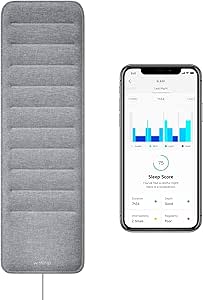
Withings Sleep Under-Mattress Sleep Tracking Pad

OMRON Complete 2-in-1 Upper Arm Blood Pressure Monitor with EKG

Oura Ring 4 Smart Ring – Silver – Size 8
As an affiliate, we earn on qualifying purchases.
How the Gut-Brain Axis Is Studied
The gut-brain axis is described in the report as bidirectional: the digestive system sends signals that may affect brain activity, while the brain can also influence gut function. The vagus nerve is one route under discussion, alongside chemical messengers and metabolites produced by microorganisms. This framework helps researchers ask how bodily systems interact; it does not mean that the gut controls a person’s feelings.
The article also discusses serotonin, sleep rhythms and nutrient absorption as areas connected to gut function. It attributes a claim that most serotonin is produced in the gut to Naturadika experts, while noting that serotonin’s role in the body is broader than mood alone. The report does not provide supporting research details for its specific percentages or claims about particular nutrients, so they should not be read as a clinical assessment of an individual’s fatigue, sleep or emotional state.
““For a long time, we’ve approached mental health from an exclusively cognitive or emotional perspective, forgetting that our body — and especially the gut — actively participates in these processes.””
— Laura Villanueva González, general health psychologist quoted by Glamour UK
What the Evidence Cannot Yet Show
The report does not identify the studies it refers to in enough detail to judge their design, size or strength, and it gives no publication dates for the research. It is therefore unclear from the supplied material which findings come from human studies, which are associations, and which mechanisms remain proposed. The relationship may also work in both directions: stress or mental-health conditions can affect gut symptoms, while gut processes may be relevant to brain function.
Claims linking microbiota changes to depression, anxiety, sleep problems or low energy should not be taken as diagnoses or proof of cause. The report provides no evidence that changing a person’s microbiota will reliably change their mood, and it does not establish a general benefit from probiotic supplements. What remains unconfirmed is the size and direction of any effect, and which people, if any, might benefit from a specific intervention.
What Researchers Need to Establish
Researchers will need to clarify which microbial changes are associated with particular outcomes, whether those changes precede or follow symptoms, and how much the effects vary between people. Better-defined studies could also test whether specific interventions produce meaningful benefits, rather than relying on broad claims about the microbiome. The source report identifies no upcoming trial, scheduled result or regulatory decision, so no specific next milestone is confirmed.
For now, readers experiencing persistent digestive symptoms, mood changes or sleep problems should not assume the microbiota is the cause or use supplements as a substitute for professional care. A qualified health professional can help assess symptoms and discuss appropriate options.
Key Questions
Can gut microbes affect mood?
Research suggests the gut and brain communicate through a two-way network, and gut microbes may be involved in processes related to mood. The report does not show that microbial changes directly cause a person’s emotional state.
Does this mean probiotics treat anxiety or depression?
No. The report says probiotics are not a direct solution to emotional distress. It describes them as a possible complementary tool in some cases of gut imbalance, not an established replacement for mental-health treatment.
What is the gut-brain axis?
It is a bidirectional communication network connecting gut activity with the brain. Routes discussed include the vagus nerve and molecules produced through gut processes.
Is gut inflammation proven to cause depression or anxiety?
No. The report describes research into associations and possible mechanisms, but does not establish that gut inflammation causes either condition. The direction and strength of any relationship remain unclear.
Source: rss