One common mistake first-time piercers make is rushing into piercing without understanding proper aftercare, which can lead to infections, irritation, or rejection. Choosing low-quality jewelry or skipping essential steps like cleaning and avoiding irritants can prolong healing and cause complications. Also, attempting to change jewelry too early or handling the piercing carelessly increases risks. If you want to avoid these pitfalls, continue exploring how to make safe, informed decisions during your piercing journey.

Get beauty and skincare favorites delivered free with Prime
- Fast, free delivery on millions of items
- Prime Video, Amazon Music and more included
- Member-only deals all year
Key Takeaways
- Rushing into piercing without understanding jewelry significance and selecting non-hypoallergenic metals.
- Underestimating healing time and changing jewelry prematurely, risking infection or rejection.
- Neglecting proper aftercare routines, like using harsh cleansers or swimming too soon.
- Handling or cleaning the piercing improperly, which can introduce bacteria and cause complications.
- Choosing low-quality jewelry or ignoring size and fit, leading to irritation or delayed healing.
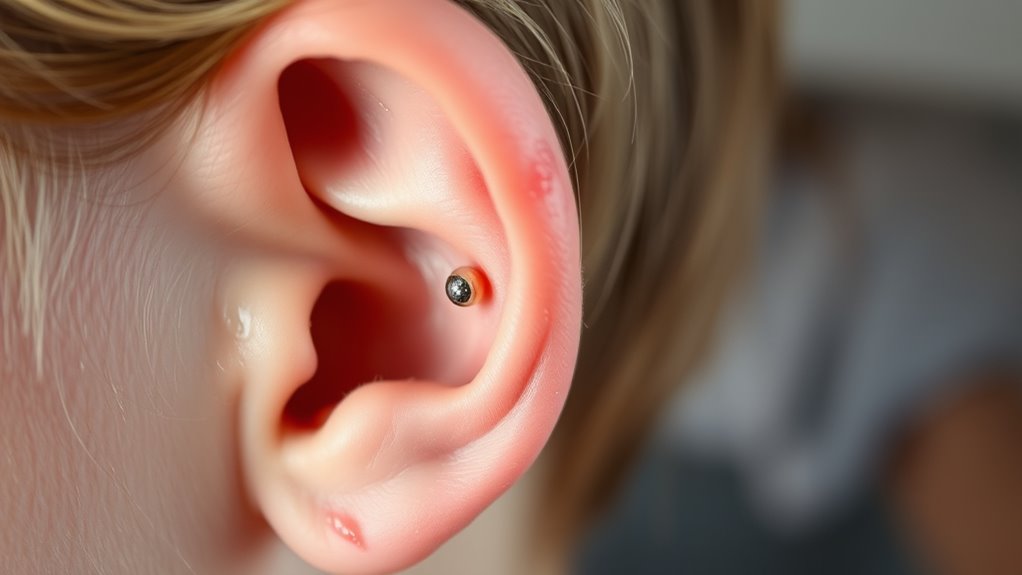
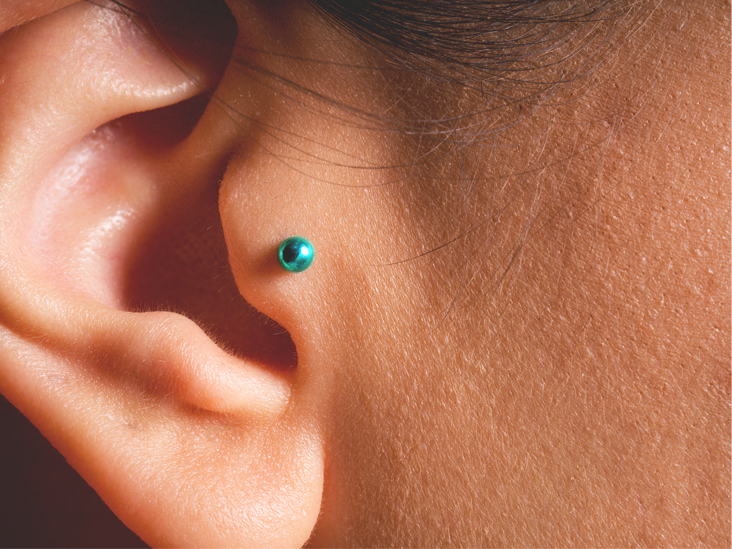
Getting your first piercing can be exciting, but it’s easy to make mistakes if you’re not well-informed. One common mistake beginners make is rushing into the process without understanding the significance of proper jewelry selection. Choosing the wrong type of jewelry can lead to complications, such as irritation or allergic reactions, which can prolong the healing process. For instance, opting for cheap or non-hypoallergenic metals like nickel can irritate your skin and cause unnecessary discomfort. Instead, you should focus on jewelry made from high-quality materials like surgical stainless steel, titanium, or niobium, which are less likely to cause reactions and are safe for the healing process. Additionally, you should consider the size and design of your jewelry; it needs to fit comfortably and not put excessive pressure on your new piercing.
Choosing high-quality, hypoallergenic jewelry ensures proper healing and prevents complications.
Another mistake is neglecting the importance of understanding the healing process. Many first-timers underestimate how long it takes for a piercing to fully heal, which varies depending on the location. For example, ear lobe piercings typically heal faster than cartilage piercings, but both require patience and proper aftercare. Rushing to change jewelry prematurely or picking at the piercing can delay healing or cause infection. You should follow your piercer’s advice on how long to leave the initial jewelry in place and avoid unnecessary handling. During the healing process, it’s essential to keep the area clean and avoid exposing it to dirt, sweat, or harsh chemicals, which can all hinder recovery. Recognizing that proper aftercare plays a crucial role in healing can help prevent complications and ensure your piercing heals smoothly.
It’s also a mistake to ignore the importance of proper aftercare. Many first-time piercers overlook the significance of maintaining cleanliness and avoiding irritants. Using harsh soaps or alcohol-based cleansers can dry out the skin and slow down healing. Instead, use a saline solution recommended by your piercer and gently clean around the piercing twice daily. Avoid swimming in pools, hot tubs, or bodies of water until your piercing has healed completely, as these environments can harbor bacteria and increase infection risk.
Lastly, some first-timers believe they can DIY their aftercare or change jewelry too soon. This can damage the piercing or introduce bacteria, causing infection or rejection. Always follow your piercer’s instructions, be patient with the healing process, and choose your jewelry carefully to ensure your first piercing experience is safe, comfortable, and successful. Proper jewelry selection and understanding the healing process are key to avoiding complications and enjoying your new piercing for years to come.
Frequently Asked Questions
How Do I Choose a Reputable Piercer?
To select a reputable piercer, look for certifications from recognized organizations like the Association of Professional Piercers. Visit the studio to make certain it maintains strict hygiene standards—clean surfaces, proper sterilization, and disposable tools. Ask about their experience and see reviews or testimonials. Trust your instincts; if anything feels off, keep searching. A skilled, certified piercer prioritizes your safety and hygiene, ensuring a positive piercing experience.
What Aftercare Products Are Safest for Piercings?
Your piercing deserves the best, so choose the safest products for healing. For piercing aftercare, opt for sterile saline solutions or gentle, fragrance-free cleansers. Avoid harsh chemicals and alcohol, which can damage tissue. Always select safe products like those recommended by professional piercers, and steer clear of cheap, unverified options. Proper, safe product selection guarantees your piercing heals beautifully and avoids complications.
Can I Get a Piercing if I Have Skin Allergies?
If you have skin allergies, you should definitely get allergy testing before getting a piercing. This helps identify any specific allergens that could cause a reaction. Opt for hypoallergenic jewelry, like surgical steel or titanium, which diminishes your allergy risk. Always inform your piercer about your allergies so they can recommend the safest materials and ensure your piercing process is smooth and safe.
How Long Does It Take for a New Piercing to Heal?
A new piercing usually takes about 6 to 8 weeks to heal, but healing time fluctuates depending on the piercing location and your aftercare. You should expect a longer healing duration if it’s a cartilage or industrial piercing. During this period, keep the piercing clean and avoid touching it to prevent infection. Proper aftercare and patience ensure your piercing heals well, so give it time and follow your piercer’s instructions.
Are There Piercings Unsuitable for Certain Body Types?
Your body type can influence piercing suitability, so some piercings might not be ideal for you. For example, if you have thin or delicate skin, certain cartilage or industrial piercings could be more prone to complications. You should consult a professional piercer who can assess your body type and recommend the best options to guarantee safe, successful healing and minimize risks. Always prioritize expert advice for the most suitable piercing choices.
Conclusion
So, if you ignore these common mistakes, you might end up with a piercing disaster that’s almost too shocking to believe! Imagine turning your first piercing into a legendary story of chaos—swelling, infections, or even a crooked hole that haunts you forever. But if you stay smart, follow the tips, and learn from others’ mistakes, you’ll avoid becoming the stuff of piercing nightmares. Trust me, your future self will thank you!
Halloween Picks
halloween
As an affiliate, we earn on qualifying purchases.