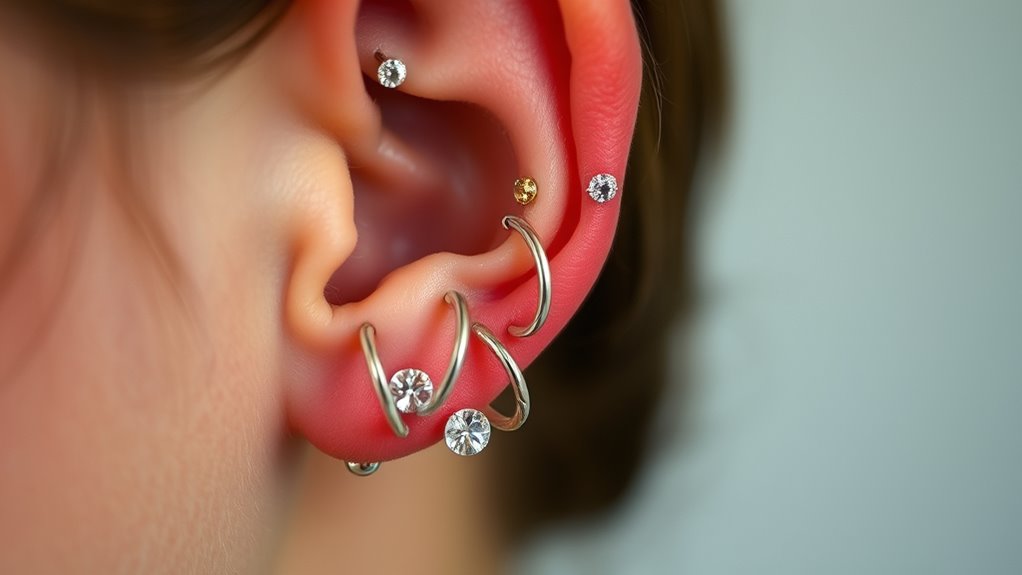

To deal with piercing rejection and migration, start by keeping the area clean with gentle saline solutions and avoid touching it with dirty hands. Choose high-quality, hypoallergenic jewelry that fits well without being too tight or loose. Monitor your piercing for signs like redness, swelling, or movement, and see a professional if issues arise. Proper care and early action can help prevent further problems—continue exploring ways to protect and maintain your piercing successfully.

Get beauty and skincare favorites delivered free with Prime
- Fast, free delivery on millions of items
- Prime Video, Amazon Music and more included
- Member-only deals all year
Key Takeaways
- Use high-quality, hypoallergenic jewelry that fits properly to reduce irritation and migration risks.
- Maintain strict aftercare by cleaning with gentle saline solutions and avoiding touching with dirty hands.
- Monitor the piercing regularly for signs of rejection, migration, redness, or persistent pain.
- Avoid unnecessary trauma by not twisting, playing with, or sleeping directly on the piercing.
- Seek professional advice promptly if you notice early signs of rejection or migration to prevent further complications.
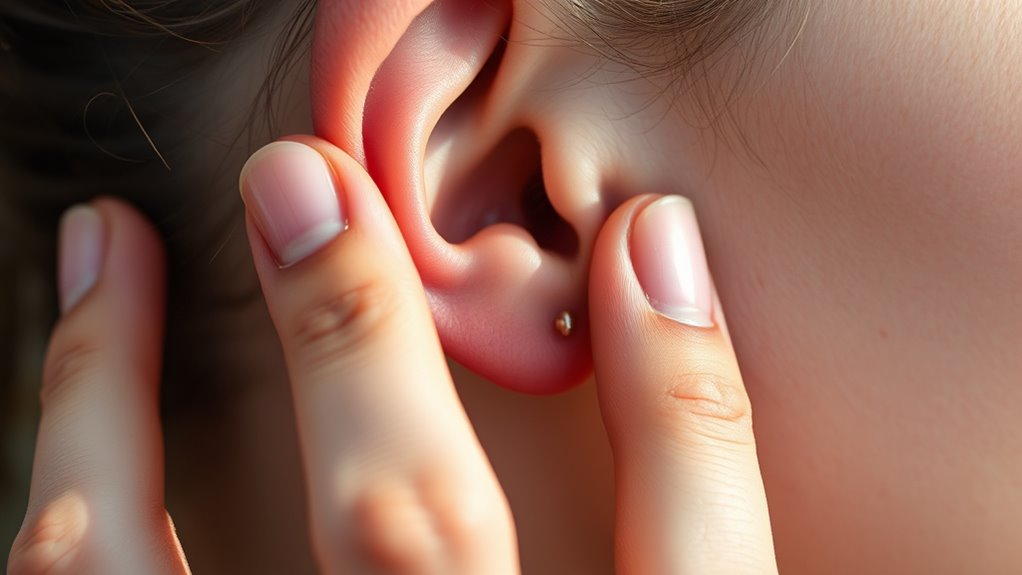
Getting a piercing can be exciting, but sometimes your body reacts negatively, leading to rejection or migration of the jewelry. This is a common concern, especially during the healing process, when your body is adjusting to the new addition. Rejection happens when your immune system views the jewelry as a foreign object and pushes it out, while migration involves the jewelry moving from its original position. Both situations can be frustrating and sometimes painful, but understanding how to manage and prevent these issues can make the experience smoother.
During the healing process, your body is working hard to recover and integrate the piercing into your skin. It’s essential to keep the area clean and avoid unnecessary trauma. Proper aftercare can greatly reduce the risk of rejection or migration. Using gentle saline solutions, avoiding touching the piercing with dirty hands, and steering clear of irritating products are all prevention strategies that help your body accept the jewelry. Also, be cautious about sleeping on the piercing and avoid twisting or playing with the jewelry, as this can cause unnecessary stress on the site, increasing the chance of rejection. Additionally, choosing appropriate jewelry materials like surgical steel or titanium can significantly reduce irritation and rejection risks.
Choosing the right jewelry plays a key role in preventing rejection. Opt for high-quality, hypoallergenic materials like surgical steel, titanium, or niobium. These metals are less likely to cause allergic reactions or irritation, which can exacerbate rejection tendencies. The size and shape of the jewelry matter too; smaller, smooth, and properly fitted pieces are less likely to migrate or be pushed out. For initial piercings, it’s often recommended to select jewelry that isn’t too tight or too loose, as either can cause discomfort and increase the risk of migration.
Monitoring your piercing closely during the healing stages is essential. If you notice the jewelry beginning to migrate or if there’s persistent redness, swelling, or pain, it’s wise to consult a professional piercer or dermatologist. They can assess whether the piercing is healing properly or if intervention is needed. Sometimes, early action can prevent complete rejection and save your piercing.
Frequently Asked Questions
How Long Does Piercing Rejection Typically Take to Occur?
Piercing rejection can happen within weeks to several months after getting pierced, but it varies based on your healing timeline. You might notice migration symptoms like the jewelry shifting or redness, often signaling rejection. Stay attentive to your body’s signals, and if you see signs early, you can address them promptly. Typically, rejection develops gradually, so monitoring your piercing closely helps catch issues before they worsen.
Can Certain Jewelry Materials Reduce Rejection Risk?
Sure, because wearing jewelry made of glittering plastic or shiny, non-reactive metals is obviously the secret to foolproof piercings. Honestly, choosing jewelry with hypoallergenic materials like surgical steel, titanium, or niobium considerably reduces rejection risk. These materials are less likely to irritate your skin or cause migration. So, if you want your piercing to stick around, pick jewelry that’s kind to your body—your skin will thank you!
Are There Age Restrictions for High-Risk Piercings?
Yes, there are age restrictions for high-risk piercings to guarantee piercing safety. Typically, minors need parental consent, and certain piercings like genital or industrial may have age limits due to health and safety concerns. Age considerations are vital because younger skin can be more sensitive, increasing rejection risks. Always consult a professional piercer who follows safety guidelines to determine if you’re eligible for specific high-risk piercings based on your age.
What Are the Signs of Early Migration?
Imagine you notice your piercing’s ball moving away from your skin—that’s a clear sign of early migration. Signs of migration include the jewelry shifting position, swelling, redness, or tenderness around the site. Early rejection often starts subtly, so keep an eye out for these changes. If you see any of these signs, it’s best to consult your piercer promptly to prevent further complications and guarantee proper healing.
Can Rejection Happen After Years of Healing?
Yes, rejection can happen even after years of healing. Scar tissue formation and changes in your immune response can trigger rejection long after your piercings initially healed. Factors like stress, illness, or skin changes might cause your body to see the jewelry as foreign again. Stay alert for redness, swelling, or discomfort, and consult a professional if you notice these signs, regardless of how long you’ve had the piercing.
Conclusion
Dealing with piercing rejection and migration can be frustrating, but don’t lose hope. Remember, even the most seasoned pirates faced setbacks before finding their treasure. Keep your piercing clean, follow your artist’s advice, and give it time. With patience, your body will often accept the jewelry. Soon, you’ll be celebrating your shiny new accessory—like a knight returning victorious from battle, ready to conquer new adventures with confidence.
Halloween Picks
halloween
As an affiliate, we earn on qualifying purchases.