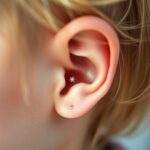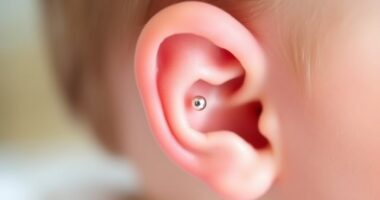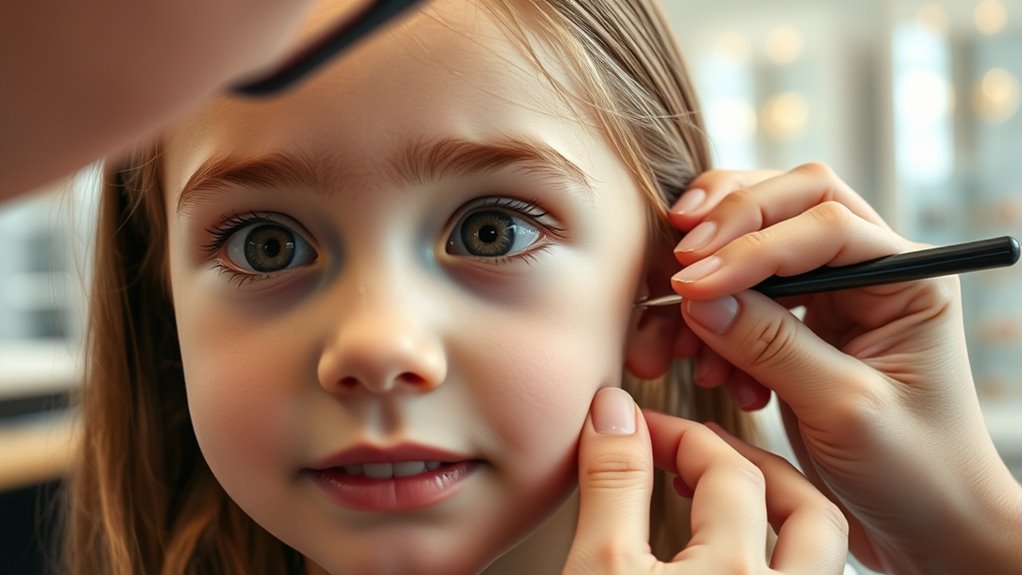

Your first piercing experience varies with age, culture, and personal comfort. Young children might feel more nervous but find reassurance in family traditions, while teens often see it as self-expression or a rite of passage. Adults may approach it with careful planning and research to guarantee safety. Regardless of when you get pierced, managing pain and choosing a reputable studio make the process smoother. Keep exploring, and you’ll discover inspiring stories from different ages and backgrounds.
Key Takeaways
- Many people describe their first piercing as a brief pinch with manageable pain, often feeling more excitement than discomfort.
- Age influences experience; children may feel nervous, while adults often approach it with curiosity and readiness.
- Cultural significance can add emotional depth, making the first piercing a meaningful rite of passage for some individuals.
- Preparation, such as choosing a reputable studio and understanding pain management, enhances comfort during the procedure.
- Stories highlight feelings of empowerment and self-expression, with some experiencing a sense of achievement afterward.

Getting your first piercing can be both exciting and nerve-wracking. The anticipation builds as you imagine how it will look and feel, but there’s also a part of you that worries about the pain and the process itself. Understanding pain management techniques can help ease your nerves; many shops offer numbing creams or cold compresses to reduce discomfort. Breathing deeply and staying relaxed during the procedure can also make a big difference. Remember, a slight pinch or sting is normal, but it’s usually very manageable. Knowing that the pain is temporary can help you stay calm and focused.
Piercings often carry cultural significance that might influence your experience. For some, getting a piercing is a rite of passage or a way to connect with their heritage. In certain communities, specific piercings symbolize maturity, beauty, or social status. For others, piercings are a form of self-expression or a way to honor personal beliefs. Being aware of the cultural meaning behind a particular piercing can deepen your appreciation for the experience and make it more meaningful. It’s important to respect the traditions or symbolism associated with piercings that originate from different cultures, especially if you’re choosing a style rooted in heritage. Doing some research beforehand can enrich your understanding and help you approach the process with respect and intentionality.
When you decide on your first piercing, consider the location carefully. The pain level varies depending on the area. For example, cartilage piercings tend to be more painful than lobe piercings because of the density of the tissue. Regardless of where you choose, make sure to select a reputable piercing studio with sterilized equipment and experienced piercers. This reduces the risk of infection and ensures the procedure is as smooth as possible. Don’t hesitate to ask questions about aftercare, healing time, or how they handle pain management. A good piercer will guide you through every step, making sure you’re comfortable and informed. Additionally, choosing a high-quality equipment can impact the color fidelity and overall success of the piercing.
Most importantly, listen to your body. If you feel overwhelmed or too anxious, it’s okay to take a moment or reschedule. Your first piercing is a personal milestone, and it should be approached with care and consideration. Whether it’s a small earlobe or a more complex cartilage piercing, the experience can be empowering and affirming. Embrace the process, respect the cultural significance if it applies, and remember that a little pain is a small price to pay for a look that reflects your personality and style.
Frequently Asked Questions
How Do I Choose the Right Piercer for My First Experience?
To choose the right piercer, prioritize piercing safety and artist credentials. Look for a licensed professional with a clean, sterile environment, and read reviews to ensure their reputation. Ask about their experience with your desired piercing, and don’t hesitate to visit beforehand to see their work. Trust your instincts, and only proceed if you feel comfortable—your safety and satisfaction depend on it.
What Are the Common Fears Associated With First Piercings?
You might feel piercing anxiety, a mix of excitement and fear of needles. It’s normal to worry about pain, swelling, or infection, but remember, your fears often stem from the unknown. Visualize the process, breathe deeply, and trust your piercer’s expertise. Knowing what to expect can ease your nerves, turning fear into anticipation. Embrace your courage—you’re taking a step toward a new, expressive experience.
How Can I Ensure Proper Aftercare for My Newly Pierced Ear?
To guarantee proper aftercare for your new piercing, you should clean your ear regularly with saline solution to prevent infection. Avoid touching or twisting the jewelry, and use gentle ear cleaning techniques. Choose high-quality, hypoallergenic jewelry to minimize irritation. Keep your ear dry and avoid swimming. Following these steps helps promote healing and keeps your piercing looking great. If you notice any signs of infection, consult a professional immediately.
Are There Age Restrictions for Getting a Piercing?
Think of piercing age restrictions as your personal “age of consent” for jewelry adventures. Generally, minors need parental consent, and some places have minimum age limits, like 12 or 16. These rules exist to guarantee safe, informed decisions. So, if you’re considering a piercing, check local regulations. It’s all about making sure you’re ready and that your parents or guardians agree, making the experience safe and fun.
What Are Some Tips for Minimizing Pain During a First Piercing?
To minimize piercing pain, stay relaxed and breathe deeply before and during the procedure. Use relaxation techniques like calming breaths or distraction to ease tension. Choosing a professional piercer who uses sterile equipment can also reduce discomfort. Remember, tension heightens pain, so staying calm helps. Trust your piercer’s expertise, and focus on steady breathing to make the experience smoother and less painful overall.
Conclusion
Your first piercing is truly a milestone that stays with you forever. Whether it’s a tiny earlobe or a daring cartilage, each story shapes you into the fearless person you are today. Remember, that moment of pain transforms into a powerful memory, brighter than a thousand suns. So embrace the thrill, because your piercing journey is just the beginning of a lifetime of bold adventures waiting to unfold. Trust me, it’s an experience you’ll never forget!