
TL;DR

Get beauty and skincare favorites delivered free with Prime
- Fast, free delivery on millions of items
- Prime Video, Amazon Music and more included
- Member-only deals all year
Hypoallergenic body jewelry uses materials like titanium, niobium, and surgical steel to reduce allergy risks. New coatings and customization improve safety and style, but verifying quality remains key.
Imagine slipping on a jewelry piece and feeling that familiar itch or rash. For many with sensitive skin, it’s a common nightmare. But the good news? The right hypoallergenic body jewelry can keep your style game strong without the irritation.
Today, you’ll learn what materials truly protect you, the latest innovations making jewelry safer, and how to choose pieces that fit both your skin and your style.
Always verify jewelry materials—look for labels like ‘hypoallergenic’ and certifications from trusted sources.
Titanium is the top choice for sensitive skin due to its unmatched biocompatibility and corrosion resistance.
Innovations like PVD coatings and 3D printing are making hypoallergenic jewelry safer, more durable, and personalized.
Proper cleaning and storage extend jewelry life and prevent irritation, even with the safest materials.
Individual sensitivities vary—patch testing and professional advice are your best friends.
What Makes Jewelry Hypoallergenic and Why It Matters
Hypoallergenic jewelry is designed to minimize allergic reactions, especially for those with sensitive skin or metal allergies. It’s made from materials less likely to trigger irritation, like titanium or niobium.
Understanding why this matters is crucial: for many, allergic reactions can cause discomfort, inflammation, or even infections if not properly managed. Choosing hypoallergenic options reduces these risks, ensuring that your body’s natural defenses aren’t compromised. Moreover, it can prevent long-term skin issues, such as dermatitis, which may develop from repeated exposure to irritating metals. This is especially important for jewelry worn daily or for extended periods. However, it’s worth noting that not all hypoallergenic labels are equal—some materials may still cause reactions if they contain trace elements or are poorly manufactured. Therefore, knowing the implications of material choice can help you make smarter, safer decisions and avoid costly skin problems down the line.
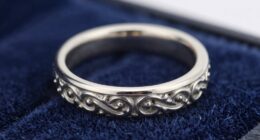
hypoallergenic titanium body jewelry
As an affiliate, we earn on qualifying purchases.
As an affiliate, we earn on qualifying purchases.
Top Materials That Keep Your Skin Happy
When it comes to hypoallergenic body jewelry, some materials stand out. Here’s a quick comparison:
| Material | Pros | Cons |
|---|---|---|
| Titanium | Lightweight, durable, highly biocompatible, corrosion-resistant | Higher cost, limited color options |
| Niobium | Hypoallergenic, easy to work with, customizable colors | Less common, can be pricier |
| Surgical Steel (316L) | Affordable, durable, widely available | Potential for nickel content in lower-quality versions |
| Platinum | Premium, hypoallergenic, resistant to tarnish | Expensive, less variety in styles |
| Bioplast & Plastics | Nickel-free, flexible, good for initial piercings | Less durable, can stain or discolor over time |
Choosing the right material depends on your skin’s sensitivity, budget, and style preferences. Titanium often wins because it combines safety with elegance. Its biocompatibility means it’s less likely to cause allergic reactions, and its resistance to corrosion ensures longevity, making it ideal for everyday wear. However, the tradeoff is a higher price point and limited color options unless coated or anodized. Niobium offers similar hypoallergenic benefits with more vibrant colors, but it’s less common and can be more expensive. Surgical steel is a cost-effective alternative, but quality varies—lower-grade steel may contain nickel, which undermines its hypoallergenic claim. Platinum is a luxurious choice, virtually free of allergens, but its expense makes it less accessible for casual wear. Bioplasts and plastics are great for initial piercings or for those with extreme sensitivities, but they may not withstand daily wear or harsh conditions. Understanding these tradeoffs helps you select jewelry that balances safety, style, and affordability for your unique needs.
How Recent Innovations Make Jewelry Safer and More Stylish
Manufacturers now use advanced tech to create jewelry that’s even kinder to your skin. For example, PVD coatings—think of a microscopic armor—cover titanium or steel to prevent tiny metal ions from leaching and causing reactions. This coating forms a barrier that not only enhances durability but also prevents tarnishing and discoloration, extending the lifespan of your jewelry. Additionally, these coatings can add color and style options that weren’t available before, allowing for more personalized and fashionable pieces without sacrificing hypoallergenic qualities. 3D printing has revolutionized customization, enabling intricate designs that fit perfectly and reduce irritation points—improving comfort and reducing the risk of skin trauma. Eco-conscious brands are now utilizing recycled metals and lab-grown alternatives, which not only lessen environmental impact but also often meet strict safety standards. This blend of technological and sustainable innovations means you can enjoy jewelry that’s safer, more durable, and uniquely styled—making it easier to find pieces that suit both your aesthetic and health needs.
Quick Tips to Pick and Care for Your Hypoallergenic Jewelry
Choosing hypoallergenic jewelry is just the start. Proper care keeps it safe and looking great:
- Always verify the material—look for labels like “nickel-free” and certifications. This ensures you’re getting genuine hypoallergenic products and reduces the risk of hidden allergens that could cause delayed reactions.
- Clean your jewelry regularly with saline solution or gentle soap to prevent buildup. Regular cleaning removes sweat, oils, and dirt that can corrode coatings or promote bacterial growth, which can irritate sensitive skin.
- Avoid harsh chemicals like bleach or alcohol, which can damage coatings and surfaces. These substances can degrade protective layers, exposing underlying metals that may cause reactions.
- Store jewelry separately to prevent scratches and tarnishing. Proper storage preserves the integrity of coatings and prevents surface damage that could lead to skin irritation.
- Perform a patch test with a small piece first—wear it for a day and watch for reactions. This helps identify potential sensitivities before committing to longer wear.
For example, a friend switched to a titanium nose stud coated with PVD. After a simple cleaning routine, she noticed less irritation and brighter shine—proof that proper care makes all the difference. Maintaining your jewelry not only prolongs its life but also ensures your skin remains safe and irritation-free over time.
Frequently Asked Questions
What materials are safest for sensitive skin?
Materials like titanium, niobium, platinum, and medical-grade plastics are generally safest. They’re less likely to cause allergic reactions and are well tolerated by most sensitive skin types.
Can I wear hypoallergenic jewelry if I have a nickel allergy?
Yes, but double-check that the jewelry is labeled nickel-free and specifically hypoallergenic. Some products labeled ‘hypoallergenic’ still contain trace amounts of nickel, so look for certified items.
Is hypoallergenic jewelry more expensive?
Usually, yes. High-quality materials like titanium and platinum cost more, but investing in safe jewelry reduces discomfort and skin issues over time.
How do I tell if I’m allergic to a piece of jewelry?
Look for symptoms like redness, swelling, itching, or rash at the piercing site. If reactions occur, remove the jewelry and consult a dermatologist for testing.
How should I care for hypoallergenic jewelry?
Clean regularly with saline or gentle soap, store separately, and avoid harsh chemicals. Proper maintenance preserves its safety and beauty.
Conclusion
Choosing hypoallergenic body jewelry isn’t just about style—it’s about respecting your skin’s needs. The right material, combined with good care, keeps you looking great and feeling comfortable.
Think of your jewelry as a small armor—protective yet stylish. When you pick wisely, you wear not just beauty, but safety.
Halloween Picks
halloween
As an affiliate, we earn on qualifying purchases.