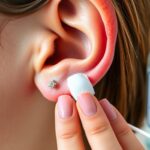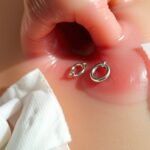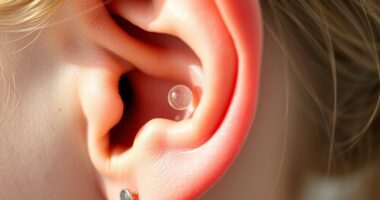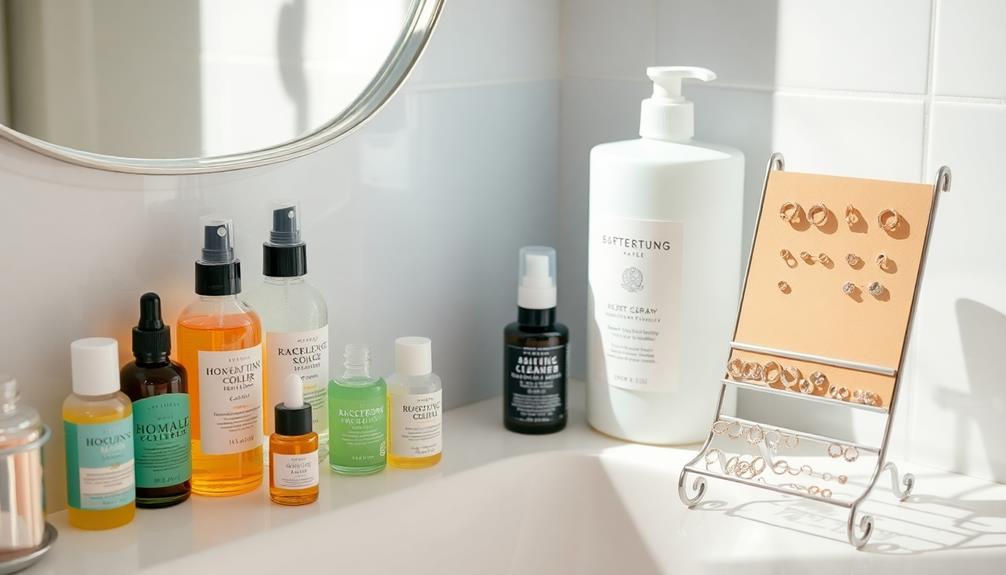
To manage piercing irritation bumps and hypergranulation, keep the area clean with gentle saline solutions twice daily and avoid harsh chemicals. Don’t touch or twist the jewelry unnecessarily, and make certain it’s not too tight. Protect the piercing from trauma and friction by wearing loose clothing and keeping hair away. If bumps persist or worsen, consult a professional for proper treatment options and avoid home remedies that could cause more irritation. For more tips, continue exploring trusted care strategies.
Key Takeaways
- Maintain gentle cleaning with saline or piercing-specific solutions twice daily to reduce irritation and promote healing.
- Avoid irritating ointments and unprofessional home remedies; seek professional advice for hypergranulation treatment.
- Ensure jewelry fits properly without causing friction or trauma; avoid twisting or unnecessary touching of the piercing.
- Recognize signs of hypergranulation early and consult a piercer or healthcare provider for appropriate management.
- Keep the area protected from friction, bumping, and contaminated water sources until fully healed.

If you notice irritation bumps around your piercing, it’s important to address them promptly to prevent further complications. These bumps can be uncomfortable, unsightly, and may indicate an underlying issue such as infection, hypergranulation tissue, or improper healing. The key to managing them effectively starts with proper piercing aftercare. Consistent and gentle cleaning helps keep bacteria at bay and reduces the risk of irritation. Use a saline solution or a piercing-specific aftercare product to clean the area twice daily, avoiding harsh chemicals or alcohol-based solutions that can worsen irritation. Be gentle during cleaning; scrubbing too hard can cause trauma and prolong healing.
Avoid touching or twisting your jewelry unnecessarily, as this can introduce bacteria and aggravate the bump. When you do handle your jewelry, wash your hands thoroughly first. Also, check that your jewelry is not too tight or loose; ill-fitting jewelry can trap dirt and moisture, increasing irritation risk. If you notice swelling or redness, remove any tight clothing or accessories that might be rubbing against the piercing. Wearing loose, breathable clothing helps reduce friction and allows air to circulate around the area, fostering better healing conditions.
Prevention of irritation hinges on being mindful of how you care for your piercing daily. Avoid unnecessary trauma, such as bumping or snagging jewelry on clothing or hair. Keep hair away from facial piercings and avoid swimming in pools, hot tubs, or lakes until the piercing fully heals, as these environments can harbor bacteria. Regularly inspect your piercing for early signs of irritation, and if you notice persistent bumps, consult a professional piercer or healthcare provider rather than trying to squeeze or puncture the bump yourself.
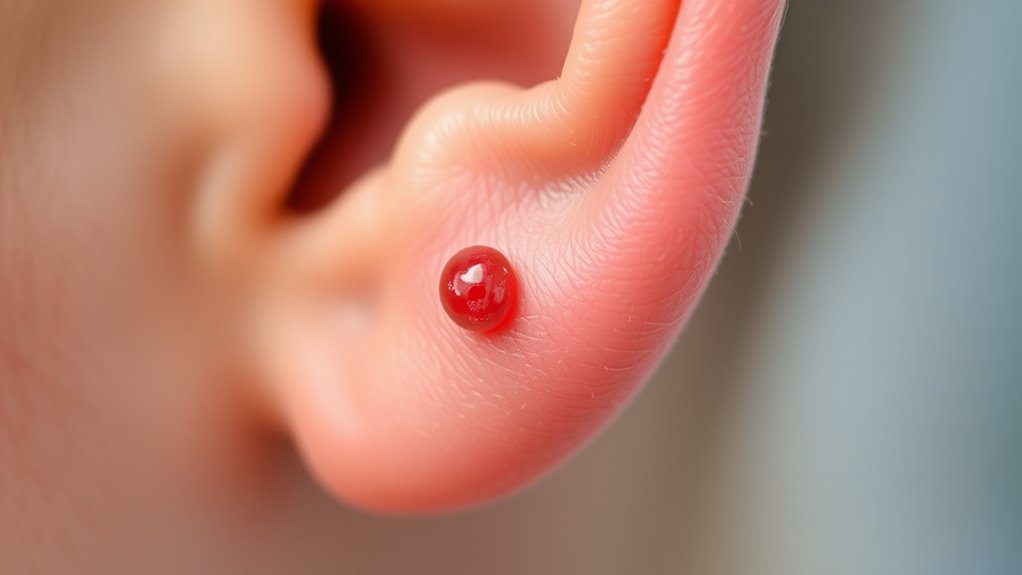
In some cases, irritation bumps are hypergranulation tissue, which is a natural part of the healing process but can become problematic if it persists. To prevent hypergranulation from worsening, avoid using irritating ointments or home remedies that aren’t recommended by a professional. Instead, seek advice on appropriate treatments such as topical corticosteroids or other medical interventions if needed. Managing irritation bumps involves patience and consistent care, but with proper piercing aftercare practices and irritation prevention, you can promote healthy healing and minimize discomfort. Remember, ignoring these signs can lead to more serious issues, so act quickly and follow professional advice to keep your piercing healthy and irritation-free. Proper aftercare is essential in preventing complications and ensuring your piercing heals beautifully.
Frequently Asked Questions
Can Irritation Bumps Indicate an Infection or Allergic Reaction?
Yes, irritation bumps can indicate allergic reactions or infection signs. If you notice redness, swelling, warmth, or pus, these might be infection symptoms. Allergic reactions often cause itchy, inflamed bumps that may be tender. You should monitor your piercing closely; if bumps persist, worsen, or are accompanied by other symptoms, see a professional promptly to prevent complications. Ignoring these signs can lead to more serious issues.
How Long Do Irritation Bumps Typically Take to Heal?
Irritation bumps usually heal within a few days to a couple of weeks, depending on your healing timeline. Factors influencing recovery include the piercing location, your body’s immune response, and how well you care for it. To promote faster healing, avoid touching or irritating the bump, keep the area clean, and follow your piercer’s aftercare instructions. If bumps last longer, consult a professional for personalized advice.
Are There Home Remedies to Reduce Hypergranulation?
Think of hypergranulation as an overgrown garden; natural remedies can help clear it out. You can try skin soothing options like applying a diluted tea tree oil solution or using aloe vera gel to calm irritation. These home remedies act like gentle pruning, encouraging healthy healing. Just make sure to clean the area thoroughly first, and avoid harsh chemicals that might make things worse. Always consult your piercer or dermatologist if unsure.
When Should I See a Doctor About Piercing Bumps?
You should see a doctor if your piercing bumps worsen, don’t improve after a few weeks, or become painful, swollen, or infected. While choosing the right piercing jewelry and understanding healing time expectations can help prevent issues, seeking medical advice guarantees proper treatment. Don’t wait if you notice signs of infection or hypergranulation that won’t resolve—prompt care keeps your piercing healthy and reduces complications.
Do Certain Metals Cause More Irritation or Bumps?
Certain metals can be like sparks to a tinderbox, causing irritation or bumps. Nickel and low-quality alloys often trigger metal sensitivities, leading to swelling or hypergranulation. To avoid this, choose jewelry made from hypoallergenic materials like surgical steel, titanium, or gold. Carefully selecting your jewelry can help prevent irritation, ensuring your piercing stays healthy and comfortable without unnecessary bumps or reactions.
Conclusion
Remember, patience is a virtue when it comes to healing your piercing. By keeping the area clean, avoiding unnecessary touching, and following your practitioner’s advice, you can reduce irritation bumps and hypergranulation. Don’t rush the process—sometimes, slow and steady wins the race. If you stay consistent and gentle with your care, your piercing will heal beautifully. After all, Rome wasn’t built in a day, and neither is perfect healing.