TL;DR

Get beauty and skincare favorites delivered free with Prime
- Fast, free delivery on millions of items
- Prime Video, Amazon Music and more included
- Member-only deals all year
Trading Standards testing found that 20 of 50 seized counterfeit cosmetics failed safety checks, with substances including mercury, lead and methanol detected. The UK Intellectual Property Office is highlighting the findings through its “Face the Fakes” campaign and urging beauty businesses to check their suppliers.
Trading Standards testing found that 20 of 50 seized counterfeit cosmetics failed safety checks, with mercury, lead and methanol among the substances identified, according to an investigation highlighted by the UK Intellectual Property Office (IPO). The findings are being used to warn beauty businesses and consumers about products that may bypass the safety controls applied to legitimate cosmetics.
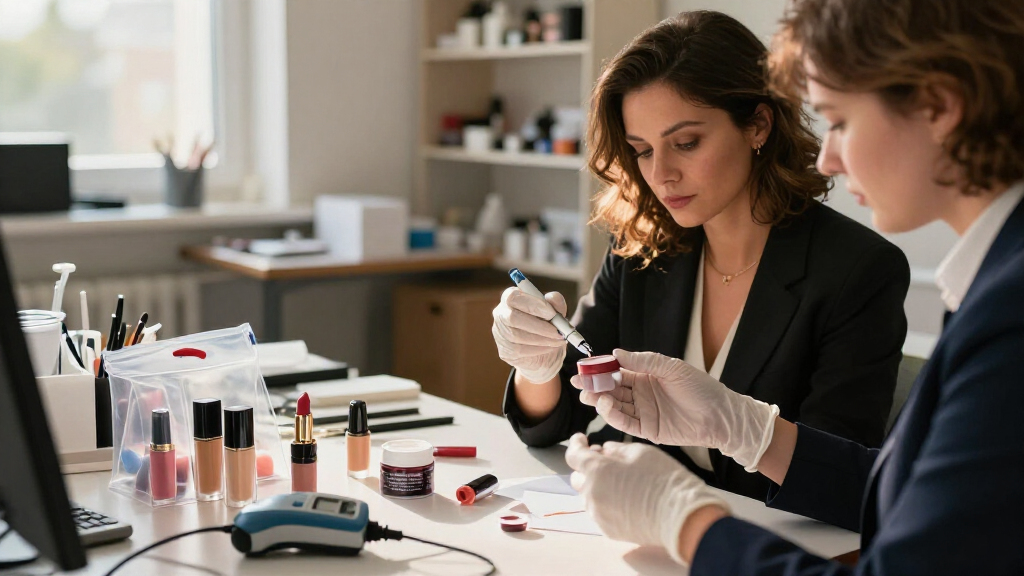
The tested products were a cross-section of 50 seized counterfeit cosmetics, and four in ten failed checks on safety grounds. The IPO says potentially harmful or prohibited substances were identified across skin care, make-up and fragrance. The results relate to seized counterfeit items; they do not establish the prevalence of unsafe substances in all cosmetics sold in the UK.
One counterfeit skin-lightening cream contained 1.32% mercury, equivalent to 13,200 parts per million. The source report says mercury is prohibited in cosmetics of this type and that repeated skin exposure can damage the kidneys and nervous system. High levels of lead were detected in counterfeit lipstick, eyeshadow and contour products; one contour kit contained 40 milligrams per kilogram. Lead can accumulate in the body and potentially affect the brain, nervous system and kidneys.
Testing also detected nicotine in a counterfeit perfume, which the report says is prohibited in cosmetics, and around 80% methanol in one counterfeit fragrance. Methanol is a toxic alcohol that can be absorbed through skin or inhaled; sufficiently high exposure can cause serious poisoning, including damage to eyesight and the nervous system. A separate counterfeit skin-lightening cream contained 8.1% hydroquinone, which the source identifies as prohibited in cosmetic skin-lightening products in the UK and associated with irritation and possible lasting changes to skin pigmentation with repeated use.
Why Counterfeit Cosmetics Raise Safety Risks
The test results point to a consumer safety concern beyond brand imitation: counterfeit cosmetics may contain ingredients that are prohibited or present at potentially harmful levels. Buyers may not be able to judge a product’s contents from its packaging, particularly when a fake is made to resemble a familiar brand.
The issue also affects the people who source and apply products for customers. The IPO is urging salons, retailers and beauty professionals to strengthen checks on what they buy, use and sell. A questionable supplier can place both customers and businesses at risk, while legitimate brands depend on safety rules and traceable supply chains to support consumer confidence.
The findings are a warning, not a measure of how many counterfeit products overall are unsafe. The sample consisted of 50 seized items, and the source material does not say how those products were selected or whether the results represent all counterfeit cosmetics in circulation.
Products Worth Considering

Therabody Theragun Mini 3rd Generation Massage Gun, Black

Oura Ring 5 Smart Ring, Silver, Size 7

Garmin Forerunner 55 GPS Running Smartwatch, Black
As an affiliate, we earn on qualifying purchases.
UK Checks and Recent Counterfeit Raids
Cosmetics, skin care and perfumes are among the ten most commonly investigated counterfeit-goods categories by Trading Standards, according to the report. The IPO’s “Face the Fakes” campaign is working with beauty industry organisations, scientific experts and social media creators to raise awareness of the risks and encourage purchases from trusted sources.
The report also describes recent enforcement activity. In July 2026, the Police Intellectual Property Crime Unit and Greater Manchester Police seized 1,666 counterfeit hair products—including extensions, shampoo and conditioners—from a warehouse in Manchester. In a separate raid in Bolton, Trading Standards officers seized goods reported to be worth £2 million, including perfume, cosmetics, clothing and vapes, at a production facility in a commercial property. These operations show enforcement activity, but the source does not say the seized products were part of the 50-item safety test.
Industry representatives say legitimate cosmetics are subject to controls that counterfeit goods may evade. Dr Emma Meredith, director-general of the Cosmetic, Toiletry and Perfumery Association, said legitimate products undergo safety assessments and companies have legal responsibilities for goods they place on the UK market.
““Counterfeit products can bypass those safeguards, which is why knowing who you are buying from and choosing trusted sources matters.””
— Dr Emma Meredith, director-general of the Cosmetic, Toiletry and Perfumery Association
Limits of the Seized-Product Tests
The available report does not identify the brands, sellers or origins of the tested products, nor does it explain how the 50-item sample was selected. It also does not provide details about the test methods, when the sampling took place, or whether further testing or enforcement action followed.
The findings concern seized counterfeit products and cannot be used to estimate the share of all cosmetics, or even all counterfeit cosmetics, that fail safety checks. The reported chemical concentrations apply to particular products, not to every item in the categories mentioned. No consumer injuries linked to these specific products are described in the source material.
Supplier Checks and Campaign Follow-Up
The IPO’s “Face the Fakes” campaign is calling on beauty salons, retailers and professionals to review their purchasing and sales checks. The industry organisations involved are also seeking to raise awareness so consumers can make more informed choices about where they buy cosmetics.
The source material does not set out a timetable for further test results or announce additional raids. Readers and businesses should look for any subsequent statements from the IPO, Trading Standards or police about product identification, enforcement outcomes or expanded testing. Until more details are published, the confirmed scope remains the 50 seized products tested and the substances reported in particular samples.
Key Questions
What did the UK testing find in counterfeit cosmetics?
Testing found 20 of 50 seized products failed safety checks. Reported findings included mercury in a skin-lightening cream, lead in make-up, nicotine in a perfume, methanol in a fragrance and hydroquinone in a skin-lightening cream.
Does this mean four in ten cosmetics sold in the UK are unsafe?
No. The figure refers to 50 seized counterfeit products tested by Trading Standards, not a representative sample of all cosmetics sold in the UK. The report does not establish the failure rate across the wider market.
Which products contained methanol and mercury?
The report says one counterfeit fragrance contained around 80% methanol, while one counterfeit skin-lightening cream contained 1.32% mercury. Those results refer to individual tested products, not all fragrances or skin creams.
What should salons and retailers do?
The IPO is urging businesses to strengthen checks on products they buy, use and sell. The campaign and industry representatives advise sourcing cosmetics from trusted suppliers; the report does not set out a specific inspection checklist.
Source: cosmeticsbusiness.com