
You need to adopt better habits with oral piercings because the mouth’s bacteria-rich environment increases infection and damage risks. Unlike piercings elsewhere, your tongue or lip jewelry can trap food and plaque, making cleaning more essential. Poor hygiene can lead to gum disease, enamel erosion, and tooth damage. Regular care, professional check-ups, and mindful habits are vital to prevent complications. Keep going, and you’ll discover more ways to protect your oral health effectively.

Get beauty and skincare favorites delivered free with Prime
- Fast, free delivery on millions of items
- Prime Video, Amazon Music and more included
- Member-only deals all year
Key Takeaways
- Oral piercings are inside the mouth, exposing them to constant bacteria and moisture, increasing infection risk.
- They can trap food and plaque, demanding meticulous cleaning to prevent dental issues.
- Jewelry contact with teeth can cause chipping, enamel erosion, or damage, requiring careful maintenance.
- Poor oral hygiene around piercings can lead to gum disease and long-term oral health problems.
- Regular dental check-ups are essential to monitor and prevent complications unique to oral piercings.
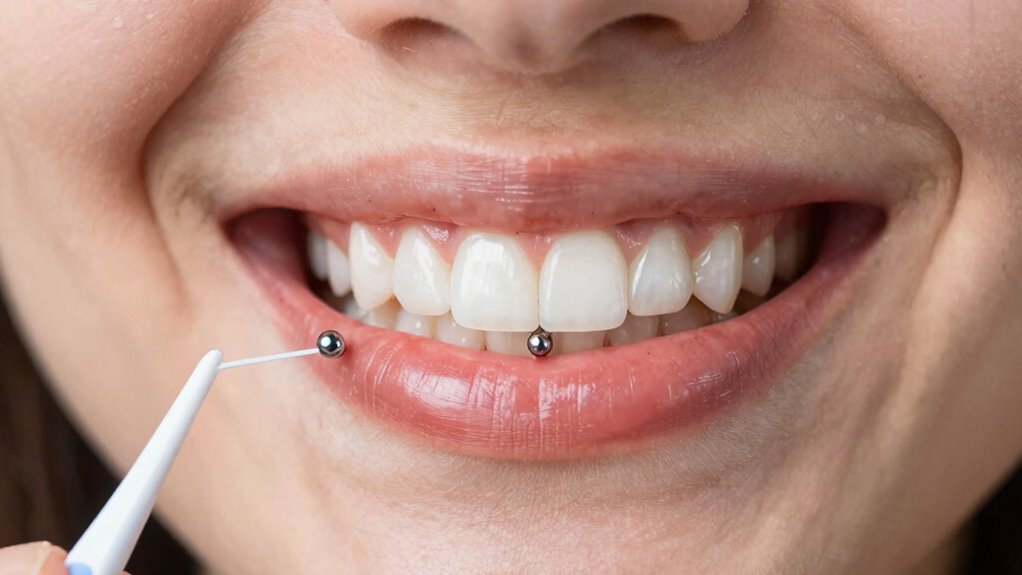
Getting oral piercings can be an exciting way to express your style, but it also requires adopting better habits to keep your mouth healthy. Unlike piercings in other parts of your body, oral piercings directly impact your dental hygiene and oral health. Because they’re placed inside your mouth, they constantly interact with your teeth, gums, and tissues, making proper care essential to prevent infections, damage, or other complications.
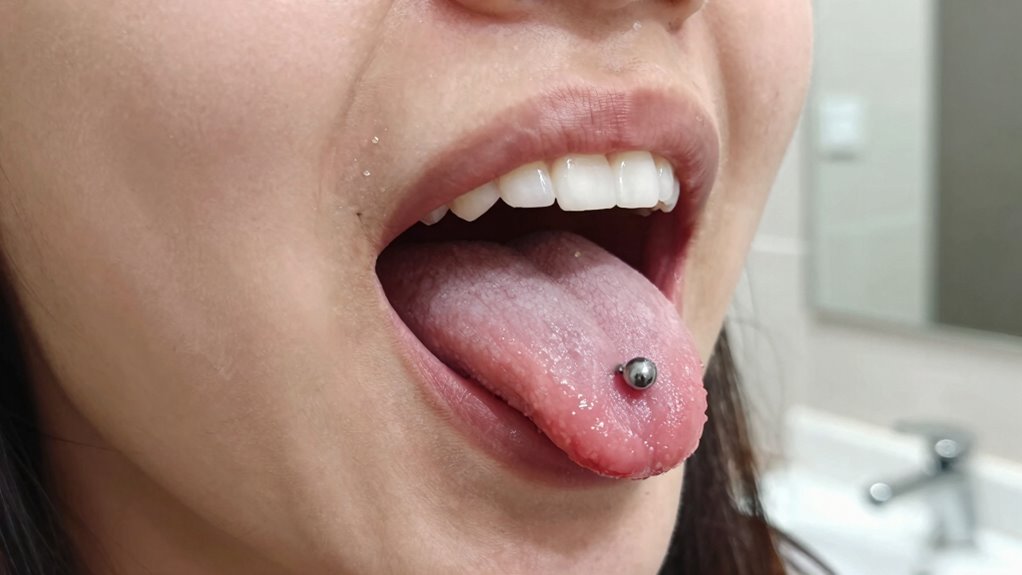
You should know that oral piercings create a unique challenge for maintaining good dental hygiene. Your mouth is a humid, bacteria-rich environment, and a piercing adds a foreign object that can trap food particles and plaque. If you neglect regular cleaning, you risk developing infections, gum recession, or even tooth damage. Brushing and flossing become even more critical when you have a tongue or lip piercing, as bacteria can accumulate around the jewelry and lead to inflammation or bad breath. You might need to incorporate additional oral hygiene routines, like rinsing with an antiseptic mouthwash, to keep your mouth as clean as possible.
Your oral health is directly affected by how well you care for your piercing. For instance, if you don’t clean the jewelry regularly, bacteria can build up, increasing your risk of infections like gingivitis or periodontitis. Swelling, soreness, and bleeding are common initial reactions, but if ignored, they can develop into more serious problems. Also, the jewelry itself can cause damage; for example, a lip or tongue piercing can chip teeth or cause enamel erosion due to constant contact or biting. To prevent this, you need to be mindful of how you chew and speak, and avoid hard or sticky foods that could dislodge or damage the jewelry. Maintaining oral hygiene is essential for preventing complications associated with oral piercings. Additionally, understanding the impact of oral piercings on your overall dental health can motivate you to adopt better habits. Incorporating proper care routines can significantly reduce the risk of long-term issues. Regularly checking the jewelry for signs of wear or damage is also important for preventing oral health problems.
Long-term oral health depends on diligent habits. Regular dental check-ups are crucial to monitor your piercing and catch any issues early. Dentists can provide advice tailored to your specific piercing, helping you avoid complications. Remember, your oral health is a reflection of your overall well-being, and neglecting it can lead to pain, costly treatments, or even loss of teeth. Because oral piercings sit inside your mouth, they demand a higher level of attention and care than other body piercings. Implementing a consistent pool maintenance routine can also serve as a reminder to stay disciplined with your oral health habits, as both require regular attention to prevent issues. Staying committed to good dental hygiene and being aware of how your piercing affects your mouth will help you enjoy your new look without compromising your health.
Products Worth Considering

Oral-B iO Series 3 Rechargeable Electric Toothbrush for Adults, Black, with 2 Brush Heads and Travel Case

Oral-B iO Series 5 Rechargeable Electric Toothbrush with Travel Case and 3 Brush Heads, Black

Withings Body Smart Wi-Fi and Bluetooth Smart Scale
As an affiliate, we earn on qualifying purchases.
Frequently Asked Questions
How Long Does It Take for Oral Piercings to Fully Heal?
Oral piercings typically take about 4 to 8 weeks to fully heal, but the healing timeline varies depending on your care practices. During this period, you should follow proper care practices, like regular rinsing and avoiding irritating foods. Your body’s response and healing speed can influence this timeline, so staying diligent with your aftercare will help guarantee a smoother, quicker healing process.
Are There Specific Foods to Avoid After Getting an Oral Piercing?
After getting an oral piercing, you should avoid hard, spicy, and acidic foods to prevent irritation. Stick to soft, cool, and non-alcoholic beverages, and focus on healing foods like yogurt, smoothies, and mashed potatoes. These diet restrictions help reduce swelling and discomfort, promoting faster healing. Staying mindful of what you eat is essential, as oral piercings are more sensitive and demand better habits than other placements.
Can Oral Piercings Cause Long-Term Dental Issues?
Oral piercings can cause long-term dental issues if you’re not careful. They may lead to erosion of your dental enamel, making your teeth more vulnerable to decay. Additionally, the piercing can trap food and promote bacterial buildup, increasing the risk of gum disease and cavities. With proper hygiene and regular dental check-ups, you can minimize these risks and enjoy your piercing without long-term damage.
What Signs Indicate a Piercing Infection or Complication?
If you notice signs of swelling or persistent discomfort around your piercing, it might be a gentle nudge that something’s off. Symptoms of infection often include redness, pus, or a foul taste. Keep an eye out for increased pain or warmth. If these signs appear, it’s best to see your piercer or healthcare provider promptly, so they can help you avoid more serious complications and keep your smile shining bright.
How Often Should Oral Piercings Be Checked by a Professional?
You should visit a professional for check-ups at least once a month during the initial healing phase. Regular piercing aftercare and oral hygiene tips are essential to prevent infections or complications. After healing, schedule visits every few months to guarantee everything stays healthy. Keep an eye out for swelling, pain, or unusual discharge, and don’t hesitate to seek professional advice if you notice any issues. Consistent care helps maintain your piercing’s health and appearance.
Conclusion
By choosing oral piercings, you embrace a commitment to better habits—sweeping away neglect, replacing careless touch, and fostering mindful care. Just as a delicate flower needs gentle watering, your oral piercing demands patience, attention, and consistency. With each mindful act, you nurture your health and preserve your style. Remember, the habits you build today will shape the beauty and longevity of your piercing tomorrow—because better habits aren’t just choices, they’re daily promises to yourself.