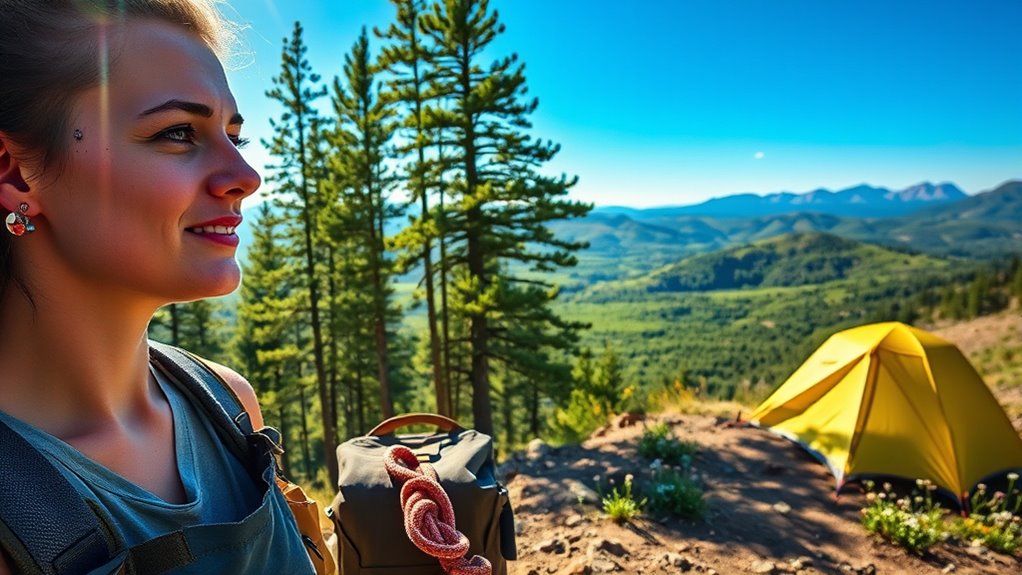
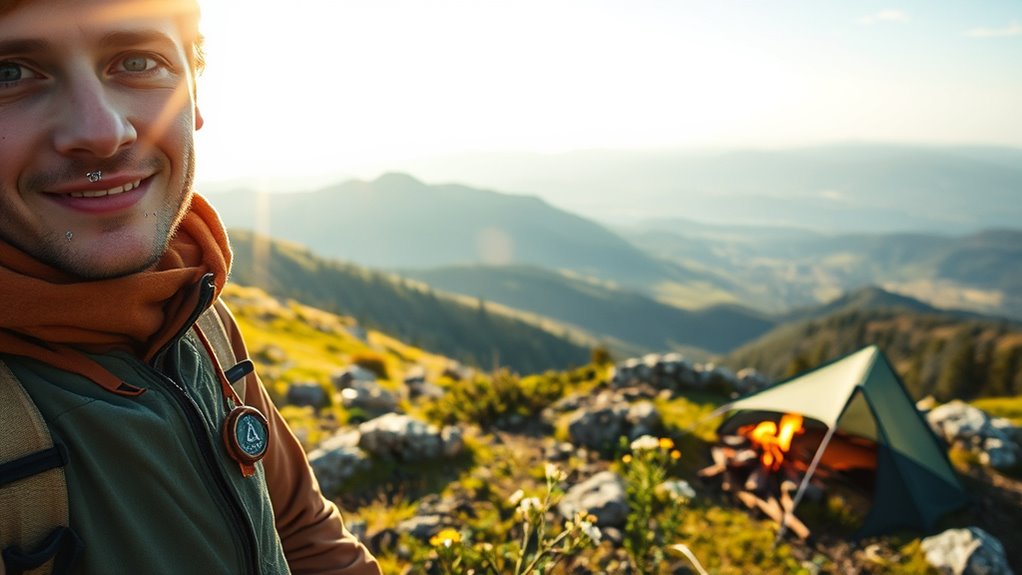
When hiking and camping with piercings, protect your jewelry and skin by wearing high-collared shirts or covers over earrings. Keep jewelry secure, hypoallergenic, and lightweight to prevent pulling or damage. Apply antibiotic ointment beforehand and carry saline for cleaning. Be mindful of snagging, avoid heavy gear that presses on piercings, and remove jewelry if you notice irritation. Staying vigilant helps. Discover more tips to keep your outdoor experience safe and enjoyable.
Wear protective clothing and secure jewelry with hypoallergenic, durable materials to prevent snagging and damage during outdoor activities.
Apply antibiotic ointment and carry saline solution for regular cleaning and to prevent infections during hikes and camping.
Use lightweight covers and tie back hair to keep piercings safe from branches, gear, and outdoor contact.
Remove jewelry if swelling, redness, or discomfort occurs to avoid further irritation or injury.
Stay vigilant for signs of irritation, keep skin hydrated, and prioritize gentle cleaning to maintain piercing health outdoors.
Getting outside and exploring nature can be a thrilling experience, but if you have piercings, you need to take extra care to protect them. Piercing safety becomes even more important when you’re engaging in outdoor activities like hiking or camping, where exposure to dirt, sweat, and potential trauma is higher. Proper outdoor gear can help you safeguard your piercings and enjoy your adventure without worries. Start by choosing clothing and accessories that won’t snag or pull on your jewelry. For instance, wear high-collared shirts or zip-up jackets to shield piercings on your neck or ears from accidental contact. When it comes to jewelry, opt for durable, secure pieces made of hypoallergenic materials like surgical steel or titanium, as they’re less likely to irritate your skin or tarnish when exposed to elements. Using appropriate materials ensures your jewelry remains safe and skin-friendly during outdoor activities.
Before heading out, consider applying a thin layer of antibiotic ointment around your piercings to prevent dirt and bacteria from causing infections. Carry a small, clean bottle of saline solution or wound wash to rinse your piercings if they get dirty during your trip. Additionally, packing some discreet, soft protectors or covers designed specifically for piercings can provide extra safety. These covers are lightweight and can be slipped over earrings or studs to prevent snagging on branches, backpacks, or sleeping gear. When setting up camp or resting, be mindful of your jewelry to avoid accidental pulling or tugging, which can cause irritation or damage.
During hikes, try to keep your hair tied back or secured away from your ears and face to minimize contact with branches or brush that might catch your piercings. Avoid wearing heavy backpacks or gear that presses against your ears or body in ways that could dislodge or irritate your jewelry. Hydration is key, not just for your overall health but also to keep your skin, including pierced areas, healthy and less prone to dryness or cracking. If you notice any swelling, redness, or discomfort, don’t ignore it—take a break, clean the area gently, and if necessary, remove the jewelry until it heals.
In the end, prioritizing piercing safety through smart outdoor gear choices and vigilant care allows you to enjoy nature without risking your piercings. With a few precautions, you can hike, camp, and explore confidently, knowing your jewelry is protected and your overall experience remains positive. Remember, a little extra effort goes a long way in preventing complications and ensuring your outdoor adventure is memorable for all the right reasons.
Frequently Asked Questions
Can I Swim With New Piercings During Outdoor Trips?
You shouldn’t swim with new piercings during outdoor trips because it risks infection. Swimming safety is essential, and you want to avoid exposing your fresh piercings to bacteria in natural water sources. If you must swim, consider waterproof piercings or covering them with waterproof bandages. However, it’s best to wait until your piercings are fully healed to enjoy swimming safely without complications.
How Do I Prevent Piercings From Getting Caught on Gear?
Think of your piercings as delicate butterflies fluttering through a forest. To prevent jewelry safety issues, secure your jewelry tightly or opt for flat, snug pieces that won’t catch on gear. Be mindful when handling backpacks, ropes, or tent zippers, keeping jewelry tucked away or covered with a soft cloth. This simple step guarantees your piercings stay safe and damage-free, letting you enjoy your outdoor adventure worry-free.
What Should I Do if My Piercing Gets Infected Outdoors?
If your piercing gets infected outdoors, act quickly by cleaning it with saline solution to reduce bacteria. Keep the area dry and avoid touching it with dirty hands. Use proper piercing aftercare by applying an antibiotic ointment if needed, but don’t overdo it. To prevent outdoor infections, always maintain hygiene, cover the piercing when necessary, and avoid exposure to dirt or contaminants. Quick action helps your piercing heal properly and reduces complications.
Are There Specific Piercings Better Suited for Outdoor Activities?
For outdoor activities, choose piercings with jewelry materials like surgical steel or titanium, which are less likely to cause irritation. These materials promote quicker healing timelines and reduce infection risks. If you’re planning active outdoor adventures, consider piercings that are easier to care for and less prone to snagging, like earlobe or cartilage piercings. Always guarantee your piercings are fully healed before engaging in vigorous outdoor activities to prevent complications.
How Often Should I Clean My Piercings During Camping Trips?
Think of your piercing jewelry as a delicate garden needing daily care. During camping trips, you should clean your piercings at least twice a day to prevent dirt and bacteria from causing infections. Prioritize outdoor hygiene by carrying a gentle saline solution and avoid touching your jewelry unnecessarily. Regular cleaning keeps your piercings healthy, ensuring you enjoy your adventure without discomfort or setbacks.
Conclusion
With the right precautions, your piercings can be your adventure companions, not obstacles. Think of them as badges of bravery, adding sparkle to every hike and campfire story. Just stay vigilant—clean, protected, and mindful of your surroundings. When you treat your piercings with care, they’ll be like loyal trail buddies, standing strong through dirt, sweat, and nature’s surprises. Embrace the wild with confidence, knowing your style and safety go hand in hand on every outdoor journey.
Piercings in High-Fashion Photo Shoots: Artistic Expression
High-fashion photo shoots use piercings as powerful tools of artistic expression, challenging norms and revealing deeper stories worth exploring further.
Cultural Sensitivity in Piercing Practices for Diverse Clientele
Understanding cultural sensitivity in piercing practices enriches client relationships, but have you considered how to deepen your knowledge on this vital topic?
Piercing Etiquette in High‑Fashion Runways—Insider Stories
With insights into piercing etiquette on high-fashion runways, discover how to elevate your style while respecting cultural and designer standards that truly matter.
Piercing Policies in Hospitality: Hotel & Restaurant Dress Codes Exposed
Many hospitality establishments enforce piercing policies and dress codes to ensure a professional image; discover how these rules may influence your appearance.