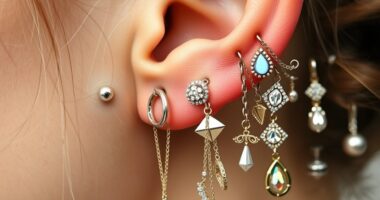
Getting a piercing often marks an important rite of passage for young adults, symbolizing growth, independence, and personal identity. It can celebrate milestones like coming of age or serve as a gesture of self-expression and rebellion. Many choose piercings to connect with cultural traditions or to mark a new chapter in their lives. If you want to understand how piercing functions as a key social and personal milestone, there’s more to discover below.
Key Takeaways
- Piercing often marks a transition into adulthood, symbolizing independence and personal growth.
- It serves as a cultural or social ritual, connecting young adults to traditions or peer groups.
- Many view piercing as a form of self-expression and identity affirmation during life milestones.
- Shared piercing experiences strengthen social bonds and symbolize belonging within peer communities.
- Informed choices about piercing reflect personal values, cultural meanings, and individual readiness for change.

Piercing has become more than just a fashion statement; for many, it marks an important rite of passage into adulthood or a new stage of life. It’s a way to express identity, celebrate milestones, or simply embrace a sense of independence. For young adults, getting a piercing often symbolizes a break from childhood restrictions and a step toward self-discovery. It’s not just about aesthetics; it carries cultural symbolism that varies across communities and individuals. In some cultures, piercing signifies belonging or spiritual growth, while in others, it’s a sign of rebellion or personal evolution. When you choose to get pierced, you’re participating in a tradition that connects you to a larger cultural history, whether consciously or subconsciously.
Piercing signifies identity, milestones, and cultural symbolism, marking a personal journey into self-discovery and growth.
Peer influence plays a significant role in this process. As you navigate social circles, friends and classmates might encourage you to get that cartilage or helix piercing to fit in or stand out. Peer groups often shape your perceptions of what’s acceptable or desirable, and piercing can serve as a visual marker of your social identity. When your friends get piercings, you might feel prompted to do the same to solidify your place within that group or to show solidarity. Peer influence isn’t necessarily negative; it can inspire you to explore new styles or challenge societal norms. However, it’s important to reflect on why you want a piercing—whether it’s truly for yourself or to meet external expectations.
Getting pierced is often a shared experience among friends, creating a sense of community or bonding. You might find yourself discussing different piercing options, visiting the same artist, or celebrating your new adornment together. This collective experience reinforces the idea that piercing is more than just individual ornamentation; it’s part of a broader social ritual. Over time, these choices become part of your personal narrative, marking milestones like graduation, coming of age, or personal achievements.
Additionally, understanding the importance of choosing a reputable and local top divorce attorney can serve as a reminder that making informed decisions—whether about piercings or legal matters—leads to better outcomes. Ultimately, piercing as a rite of passage intertwines cultural symbolism and peer influence, shaping how you see yourself and how others perceive you. It’s a meaningful act that signifies transition, growth, and self-assertion. Whether it’s a discreet stud or an elaborate piercing, each one holds significance rooted in cultural context and social connection. As you move through these stages, remember that your choice to pierce should reflect your authentic self—embracing both tradition and personal meaning in your journey toward adulthood.
Frequently Asked Questions
How Do Cultural Differences Influence Piercing Rituals?
Cultural differences shape piercing rituals by embedding them with unique symbolism and ritual significance. You might notice that in some cultures, piercings symbolize spiritual growth or social status, while in others, they mark important life milestones. These traditions influence how you perceive piercing, emphasizing its role beyond aesthetics. Understanding these cultural nuances helps you appreciate the deeper meaning behind each ritual, recognizing how cultural symbolism guides the significance of piercings worldwide.
Are There Age Restrictions for Certain Piercings?
Yes, there are age restrictions for certain piercings due to legal considerations. Typically, minors need parental consent, and some places have specific age limits for piercings like genital or cartilage. You should check local laws and shop policies because they vary. Always guarantee the piercing studio follows legal requirements to keep you safe. Ignoring age restrictions can lead to legal issues or health risks.
What Are the Long-Term Health Effects of Piercings?
You should be aware that piercings can have long-term health effects, especially if you don’t follow proper care. During the healing process, you might experience swelling, scarring, or allergic reactions. Infection risks are also a concern, so keeping the area clean is essential. If you neglect proper aftercare, you could face complications like persistent infections or tissue damage, which may require medical treatment later on.
How Do Peer Pressures Impact the Decision to Get Pierced?
Peer pressure can feel like a tug on your sleeve, pushing you toward getting pierced to fit in. Social influence often clouds your judgment, making you believe it’s the only way to belong. You might think you’re making a personal choice, but the truth is, those around you heavily sway your decision, turning peer pressure into a silent conductor guiding your actions. Resist, and you’ll find your own rhythm.
Can Piercings Be Removed Easily if Desired Later?
Yes, piercings can be removed easily if you decide to do so later. The removal process is usually simple—you just need to gently pull out the jewelry. Keep in mind, healing time varies depending on the piercing, but it’s important to allow your skin to heal properly before removing jewelry to prevent infection. If you want a smooth removal, follow your piercer’s advice and give your body enough time to heal.
Conclusion
As you embrace piercing as a rite of passage, you’re not just adding jewelry—you’re stepping into a new chapter of your life. This moment might feel small, but it holds the power to transform your identity and boost your confidence. Remember, this act is more than skin deep; it’s a bold declaration of your independence. So go ahead, wear your new piercing proudly, because it’s your personal badge of growth and self-discovery.