Piercing pain feels like a quick, sharp jab that subsides almost immediately after the needle’s removed, whereas tattoo pain is more of a sustained, throbbing discomfort that lasts as long as the artist works on your skin. The location of the modification also influences how intense the pain feels. Knowing these differences can help you prepare mentally and physically, and if you keep exploring, you’ll discover tips to manage and ease your discomfort effectively.
Key Takeaways
- Piercing pain is sharp and brief during needle insertion, while tattoo pain is sustained and throbbing as ink is applied.
- Piercing discomfort subsides quickly after the needle is removed; tattoo pain persists throughout the session.
- Healing from piercings generally takes days to weeks, whereas tattoos require prolonged aftercare for several weeks.
- Both involve soreness and swelling, but piercings tend to be less painful overall than extensive tattoos.
- Proper technique and aftercare significantly reduce pain and promote smoother healing for both procedures.
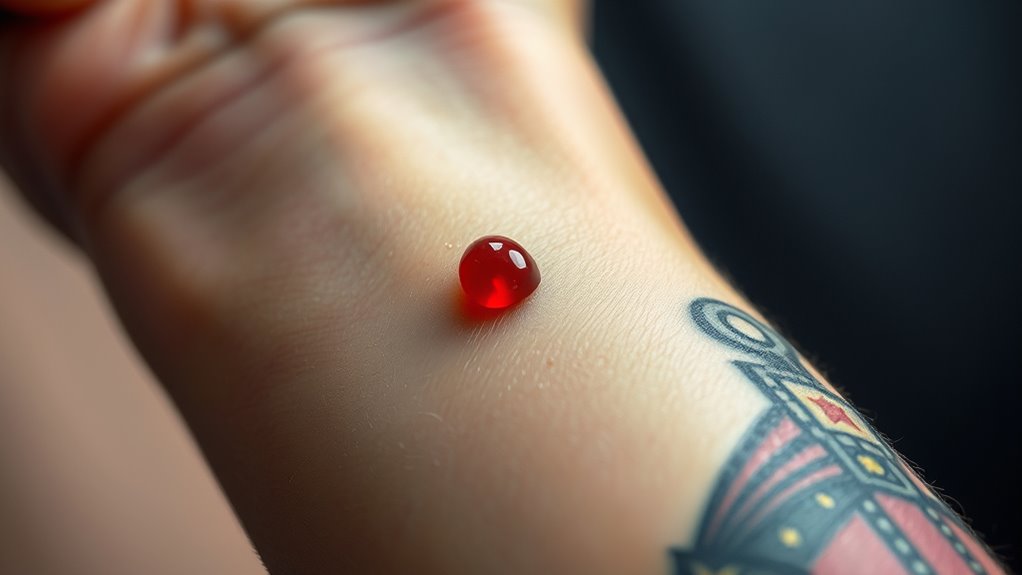
When it comes to body modifications, understanding the difference between piercing pain and tattoo pain can help you prepare mentally and physically. Both experiences involve discomfort, but they differ considerably in how they affect your body’s healing process and how you can manage the pain effectively. Knowing what to expect can make a big difference in your overall experience and recovery, so it’s worth considering these factors before you proceed.
Piercing pain usually occurs during the actual piercing process and can be described as a quick, sharp sensation. The level of pain largely depends on the location and your personal pain tolerance. For example, a nose or earlobe piercing might feel less intense than a cartilage or genital piercing. Once the needle is removed, the pain often subsides rapidly, leaving behind a wound that needs proper care. During the healing process, you might experience soreness, swelling, or tenderness, which can last from a few days to several weeks. Pain management during this time involves keeping the area clean, avoiding irritation, and sometimes applying over-the-counter pain relievers. You should be cautious not to disturb the piercing, as this can prolong healing and increase discomfort. Additionally, choosing a high-quality piercing professional can reduce unnecessary trauma and minimize pain.
Tattoo pain, on the other hand, manifests as a more sustained, throbbing discomfort during the procedure. It occurs because the artist’s needle repeatedly pricks your skin to deposit ink into the dermis. The intensity of the pain varies based on the tattoo’s size, location, and your individual pain threshold. Areas with thinner skin or closer to bones tend to hurt more. Unlike piercing, the pain from a tattoo isn’t just momentary; it can continue as long as the artist is working, often lasting several hours. Post-tattoo, you may experience soreness, redness, and swelling, which also require proper care to promote a beneficial healing process. Managing this pain involves keeping the tattoo clean, avoiding excessive movement or friction, and using recommended ointments or moisturizers. NSAIDs can help reduce inflammation, but you should avoid excessive scratching or picking, as it can hinder healing and cause scarring.
Ultimately, understanding the different types of pain and how they relate to the healing process is crucial. Piercings tend to have a quicker recovery with manageable pain, especially with good pain management practices. Tattoos, while more painful during the process, require diligent aftercare to heal properly and minimize discomfort. Being informed about these differences not only prepares you mentally but also allows you to take better care of your body throughout the healing journey. Recognizing the importance of contrast ratio in visual clarity can help you appreciate the importance of a good setup when planning for body modifications and their presentation.
Frequently Asked Questions
How Does Pain Tolerance Affect Piercing and Tattoo Experiences?
Your pain tolerance considerably influences your piercing and tattoo experiences. With higher pain perception, you might find the process more uncomfortable, but emotional resilience helps you manage that discomfort better. If you stay calm and focus, your pain perception can lessen, making the experience smoother. Building emotional resilience over time can make future piercings or tattoos feel less intimidating, allowing you to handle the pain more effectively and enjoy your body art journey.
Are There Specific Body Areas That Are Less Painful for Piercings or Tattoos?
Think of your body as a map, with some spots less like treacherous mountains and more like gentle valleys. Areas like the earlobes, outer arms, and thighs tend to be less painful due to lower body area sensitivity. To ease discomfort, use pain reduction techniques like deep breathing or numbing creams. Choosing these less sensitive zones can make your piercing or tattoo experience smoother and more enjoyable.
Can Previous Pain Experiences Influence Future Pain Perceptions?
Your previous pain experiences can definitely influence how you perceive future pain. Psychological conditioning and pain memory play key roles here. If you’ve endured a tough piercing or tattoo before, you might expect more pain next time, which can heighten your sensitivity. Conversely, positive past experiences can reduce anxiety and make future procedures seem less painful. Your mind’s perception, shaped by past pain, markedly impacts your current pain experience.
How Do Pain Management Methods Differ Between Piercings and Tattoos?
Coincidentally, your pain management methods differ for piercings and tattoos. For piercings, you typically use topical anesthetics and follow piercing aftercare instructions to reduce discomfort. In contrast, during the tattoo healing process, you focus on keeping the skin moisturized and protected from infection. You might also use numbing creams beforehand. Both require patience and proper care, but the approaches are tailored to each procedure’s unique healing and pain management needs.
Does Anxiety Impact the Perceived Pain During Piercings or Tattooing?
Anxiety triggers can considerably influence your pain perception during piercings or tattooing. When you feel anxious, your body releases stress hormones that heighten sensitivity to pain, making the experience seem more intense. If you manage your anxiety through deep breathing or distraction techniques, you may notice a decrease in pain perception. Staying calm can help you better tolerate the discomfort and have a more positive experience overall.
Conclusion
Ultimately, whether piercing pain feels like a sudden lightning strike or tattoo pain echoes like a distant thunderclap, both experiences carve their mark on your skin and soul. You’re the artist of your own story, choosing between the sharp sting of a needle or the slow burn of ink. Embrace the journey, for in pain’s fleeting grip, you’re crafting a lasting masterpiece—each sensation a brushstroke in your body’s vivid canvas.