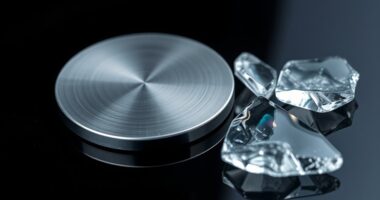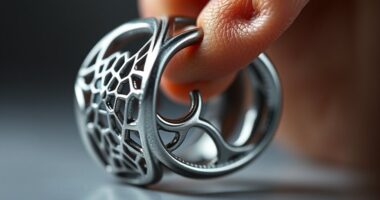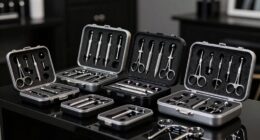
You can’t judge piercing quality by price alone because cheaper jewelry may use alloys that tarnish, degrade quickly, or cause allergies, while expensive options don’t always guarantee safety if made from poor materials. Reputable piercers prioritize quality materials like surgical steel, titanium, or niobium, which promote better healing and durability. To protect your health and investment, it’s important to understand what materials are best. Keep exploring to discover how to spot quality jewelry and avoid risks.

Get beauty and skincare favorites delivered free with Prime
- Fast, free delivery on millions of items
- Prime Video, Amazon Music and more included
- Member-only deals all year
Key Takeaways
- High-quality materials like surgical steel or titanium can be expensive but not always reflect higher piercing quality.
- Cheaper jewelry might appear attractive but can degrade quickly and cause health issues.
- Reputable piercers prioritize safety and use better materials, regardless of the jewelry’s price.
- Material composition, not price, determines durability, safety, and suitability for healing.
- Variations in manufacturing standards make price an unreliable indicator of overall piercing quality.
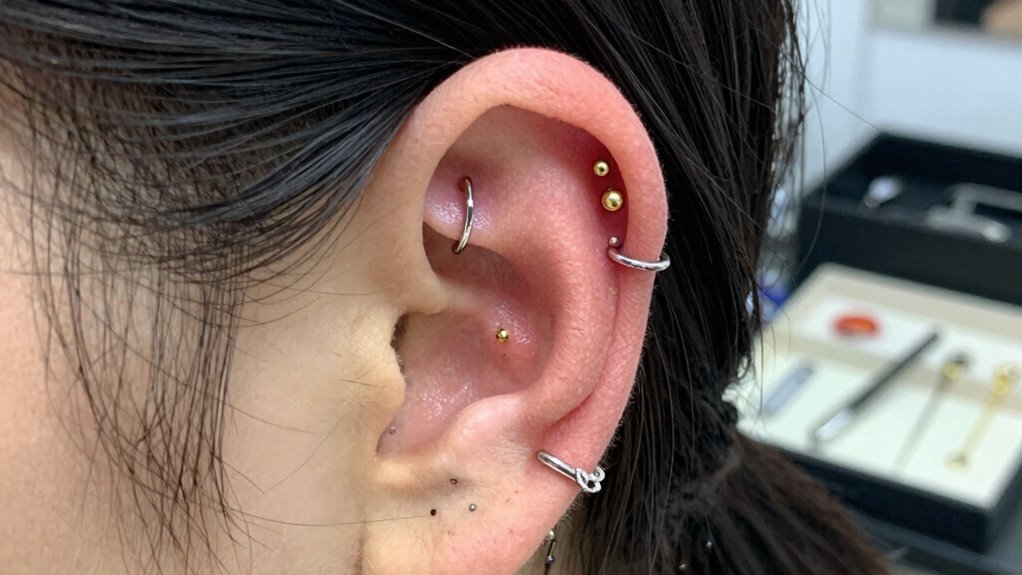
Have you ever wondered how to find the perfect balance between piercing quality and price? It’s a common question, especially when you’re trying to get a safe, long-lasting piercing without breaking the bank. The truth is, price isn’t always the best indicator of quality. You might find a cheaper piercing that looks appealing, but it could be made from materials that lack durability or pose a higher infection risk. Conversely, some pricey jewelry might not necessarily be better if it’s made from the same subpar materials. That’s why it’s crucial to look beyond the price tag and understand what makes a piercing safe and durable.
One key factor to consider is material durability. High-quality piercings are typically made from materials like surgical steel, titanium, or niobium, which are known for their strength and resistance to corrosion. These materials are less likely to cause skin irritation or degrade over time, making them ideal for initial piercings. Cheaper options, on the other hand, may use alloys that tarnish or break down quickly, leading to potential complications. When the material isn’t durable, you risk having to replace the jewelry sooner and facing additional costs down the line. You should prioritize jewelry that’s specifically designed for piercings and has a reputation for longevity. This not only ensures your piercing stays looking good but also minimizes the need for replacements that could be costly or inconvenient. Additionally, understanding material composition and safety can help you make better-informed decisions about your jewelry. Investing in quality jewelry made from durable materials can significantly reduce the chance of infection and other issues. It’s also helpful to be aware of biodiversity and safe materials, which underscores the importance of choosing materials that are biocompatible and less likely to cause allergic reactions or environmental harm. Recognizing the importance of proper material choice can guide you toward safer options and prevent adverse reactions. In essence, judging piercing quality from price alone is a mistake. Cheap isn’t always better, and expensive doesn’t guarantee safety. It’s about understanding the importance of material durability and how it impacts infection risk. Investing in quality jewelry and reputable piercers might seem pricier initially, but it pays off by ensuring your piercing heals properly, lasts longer, and stays safe. Always do your research, ask questions, and prioritize safety over savings. Your health and appearance will thank you in the long run.
As an affiliate, we earn on qualifying purchases.
Frequently Asked Questions
How Can I Verify a Piercing’s Quality Before Purchasing?
To verify a piercing’s quality before purchasing, you should check for proper sterilization and guarantee the jewelry is made from high-quality, biocompatible materials like surgical steel or titanium. Prioritize piercing safety by choosing reputable vendors with positive reviews. Examine the jewelry’s durability—smooth edges and secure clasps indicate better quality. Asking questions about the manufacturing process and certifications also helps you make an informed choice and avoid potential health risks.
Are Higher Prices Always Indicative of Better Piercing Quality?
Think of price as a mirror reflecting a brand’s reputation and pricing strategies, not just quality. Higher prices don’t always guarantee superior piercing quality. Sometimes, they’re set to elevate exclusivity or cover marketing costs. You need to look beyond the price tag, research the brand, and check reviews. Trustworthy brands prioritize quality materials and safety, regardless of their price, so don’t judge a piercing’s worth solely by cost.
What Materials Are Considered Safest for Piercings?
You should look for materials like surgical steel and sterling silver, which are considered safest for piercings. Surgical steel is hypoallergenic, resistant to corrosion, and unlikely to cause reactions, making it a popular choice. Sterling silver is also safe if it’s high-quality and nickel-free. Always check that your jewelry is made from these materials to reduce the risk of infection or allergic reactions, ensuring your piercing heals well.
How Do I Identify Fake or Low-Quality Piercing Jewelry?
Did you know that over 50% of fake jewelry contains potentially harmful metals? To spot fake or low-quality piercing jewelry, check for uneven or chipped jewelry plating, which indicates poor quality. Trust reputable brands with strong reputations, as they typically adhere to safety standards. Always examine the craftsmanship, and avoid pieces that seem cheaply made or have discoloration, ensuring your piercing remains safe and healthy.
What Are Common Signs of Poor Piercing Craftsmanship?
You can spot poor piercing craftsmanship by noticing uneven surfaces, rough edges, or sharp points that might irritate your skin. These flaws can hinder the healing process and reduce piercing longevity. Poorly made jewelry often doesn’t sit flush or may cause discomfort. If the jewelry feels flimsy or looks poorly finished, it’s a sign that the craftsmanship isn’t up to par, risking your healing process and the durability of your piercing.
Conclusion
Just like a treasure chest, a high price doesn’t always guarantee the finest gems inside. When it comes to piercing quality, don’t judge solely by the shiny exterior or the cost — instead, look deeper, ask questions, and seek trusted artisans. Think of it as finding the perfect key: sometimes, the most affordable one opens the grandest door. By understanding what truly matters, you’ll unseal a brilliant piece that lasts, not just a flash of sparkle.
Halloween Picks
halloween
As an affiliate, we earn on qualifying purchases.