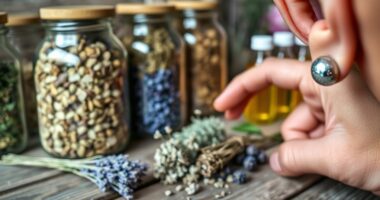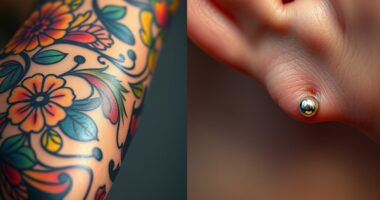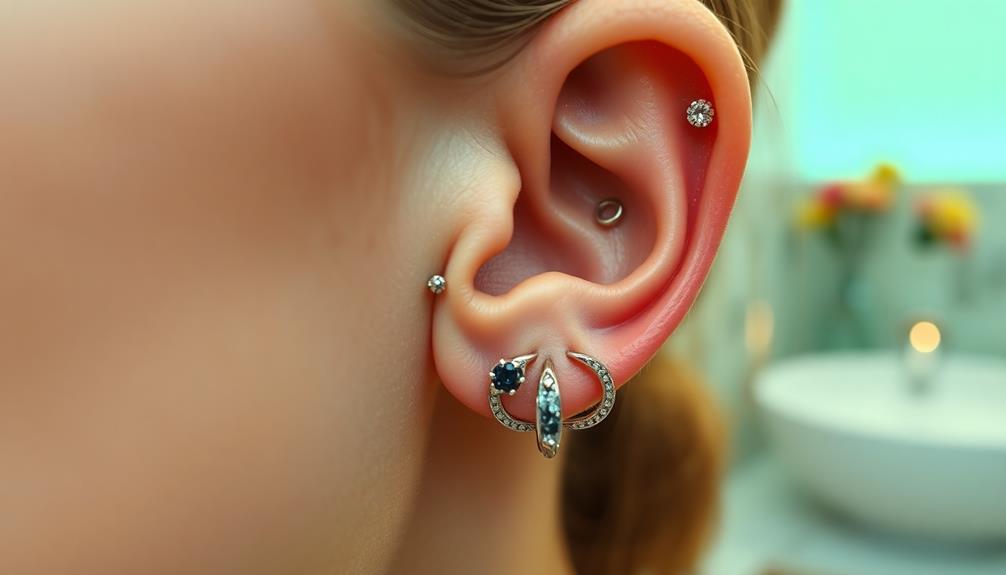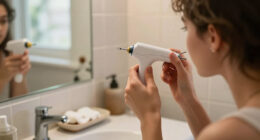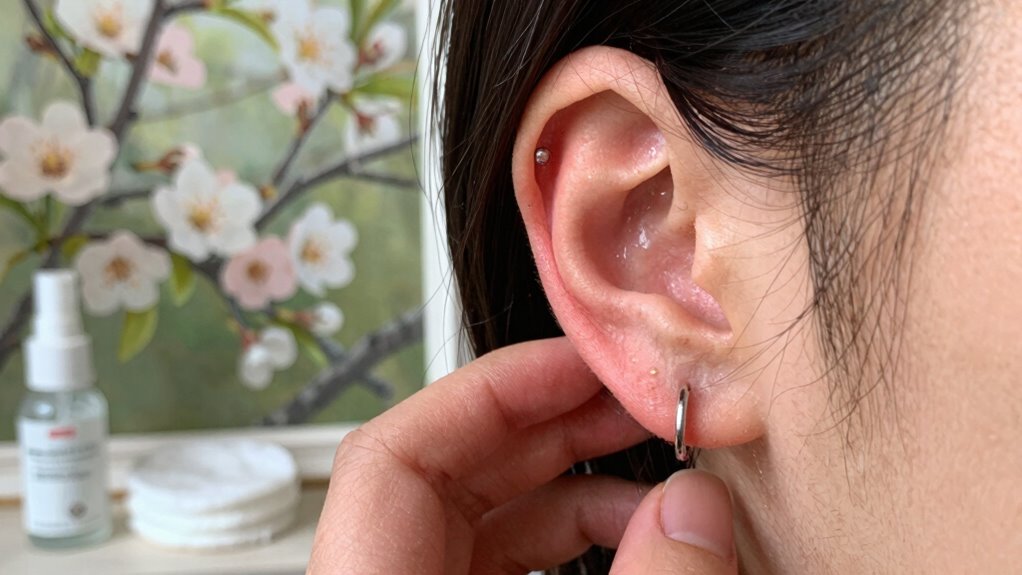

To keep piercings comfortable during seasonal allergies, choose hypoallergenic jewelry like surgical steel or titanium to prevent irritation. Keep your piercings clean with gentle disinfectants and avoid touching or twisting them unnecessarily. Protect your skin from pollen, dust, and other irritants by using breathable coverings and showering after outdoor exposure. Avoid harsh skincare products near piercings. Staying mindful of these tips can help you stay comfortable—there’s more to discover to guarantee your piercings stay happy during allergy season.

Get beauty and skincare favorites delivered free with Prime
- Fast, free delivery on millions of items
- Prime Video, Amazon Music and more included
- Member-only deals all year
Key Takeaways
- Use hypoallergenic jewelry materials like surgical steel, titanium, or niobium to reduce allergic reactions.
- Keep piercings clean and disinfect regularly to prevent infection and irritation.
- Avoid outdoor allergens by covering piercings and showering promptly after outdoor exposure.
- Monitor for signs of irritation and remove jewelry temporarily if redness or swelling occurs.
- Limit jewelry changes and seek professional advice for persistent discomfort during allergy season.

As seasonal allergies kick in, your piercings can become uncomfortable or irritated if you’re not careful. During this time, your immune system is already on high alert, making your skin more sensitive and prone to reactions. To keep your piercings comfortable, it’s essential to pay attention to the materials used in your jewelry. Choosing the right piercing jewelry materials can prevent unwanted allergic reactions and minimize irritation. Hypoallergenic options like surgical stainless steel, titanium, niobium, or certain plastics are less likely to cause problems. These materials are biocompatible and less reactive, which means your skin is less likely to become inflamed or itchy. If you notice any discomfort, consider switching to jewelry made from these safer materials to give your skin a break and prevent further irritation.
Choose hypoallergenic jewelry like titanium or surgical steel to keep piercings comfortable during allergy season.
Allergic reaction prevention is crucial during allergy season because your body is more reactive to allergens, including metals. Even if you’ve worn certain jewelry without issues before, seasonal allergies can change your skin’s tolerance. Always make sure your jewelry is clean and free from dirt or bacteria that could worsen irritation. Regularly disinfect your jewelry with a gentle solution, and avoid touching or twisting your piercings unnecessarily. Also, keep an eye out for signs of allergic reactions, such as redness, swelling, or persistent itching. If these symptoms appear, removing the jewelry temporarily can help your skin heal faster.
Another way to prevent irritation is to avoid exposure to environmental allergens like pollen, dust, or pollution, which can settle on your jewelry and skin, compounding irritation. When you’re outdoors, consider wearing protective coverings or keeping your piercings covered with a clean, breathable cloth. Shower promptly after being outside to wash away any pollen or irritants that might have settled on your jewelry or skin. Additionally, avoid using harsh skincare products, perfumes, or hair sprays near your piercings during allergy season. These substances can contain chemicals that further irritate sensitive skin. Being mindful of allergic sensitivities and how they affect your skin can help you better manage your piercings during this time. Incorporating proper jewelry care can also significantly reduce the risk of irritation and allergic reactions. Regular cleaning and appropriate jewelry choices can make a difference in maintaining comfortable piercings.
Finally, give your piercings some extra care by maintaining good hygiene and avoiding trauma. Be gentle when cleaning or touching your piercings, and don’t change jewelry too frequently during this sensitive period. If you’re experiencing persistent discomfort, consult a professional piercer or dermatologist. They can recommend specific treatments or jewelry options that suit your skin’s needs. By choosing the right jewelry materials and taking proactive steps to prevent allergic reactions, you can keep your piercings comfortable and healthy through seasonal allergy changes.
hypoallergenic surgical steel earrings
As an affiliate, we earn on qualifying purchases.
As an affiliate, we earn on qualifying purchases.
Frequently Asked Questions
Can Seasonal Allergies Cause Piercings to Become Infected?
Yes, seasonal allergies can cause piercings to become infected. When allergy triggers like pollen or dust irritate your sinuses, they can lead to increased rubbing or touching of the piercing, introducing bacteria and disrupting piercing hygiene. This irritation can weaken the skin’s defenses, making infections more likely. To prevent this, keep your piercing clean, avoid touching it with dirty hands, and minimize exposure to allergy triggers that can worsen inflammation and risk of infection.
Are Certain Jewelry Materials Better During Allergy Season?
Did you know that over 15% of people are allergic to nickel, a common jewelry material? During allergy season, it’s best to choose hypoallergenic options like surgical steel, titanium, or niobium, which reduce irritation. These materials help prevent allergic reactions and make jewelry maintenance easier. By switching to hypoallergenic jewelry, you keep your piercings comfortable and minimize discomfort caused by seasonal allergies.
How Long Should I Avoid Changing My Piercings During Allergies?
You should avoid changing your piercings during allergies for at least two to four weeks, depending on healing progress. During this time, focus on proper piercing aftercare to prevent irritation. If you’re concerned about reactions, consider jewelry alternatives like hypoallergenic options until symptoms subside. This minimizes inflammation and discomfort, helps your piercing heal properly, and guarantees you don’t introduce new irritants during allergy season.
Can Allergy Medications Affect Healing of Piercings?
Allergy medications can impact your piercing aftercare by potentially slowing healing or causing dryness. Certain antihistamines might dry out your skin, making it harder for your piercing to heal properly. Imagine your skin as a delicate canvas; if it’s parched or inflamed from medication interactions, the healing process stalls. To avoid surprises, consult your piercer or doctor about how allergy meds might influence your piercing’s recovery, ensuring you keep that healing process smooth.
What Are Signs of Allergic Reactions in Piercings During Seasonal Changes?
If you notice redness, swelling, itching, or a rash around your piercing during seasonal changes, you might be experiencing an allergic reaction. To manage this, follow proper piercing aftercare and avoid allergens like certain metals or products that could irritate your skin. Keep your piercing clean, avoid touching it unnecessarily, and use hypoallergenic jewelry. Allergen avoidance is key to preventing further discomfort and promoting healing.
Conclusion
By taking these simple steps, you can keep your piercings comfy even during allergy season. Remember, your body is like a delicate garden—nurture it, and it’ll thrive. Don’t let seasonal allergies overshadow your confidence or style; instead, treat your piercings with care and patience. With a little extra attention, you’ll enjoy your jewelry without discomfort, proving that even nature’s surprises can’t dampen your sparkle. Stay vigilant, and your piercings will thank you!
Halloween Picks
halloween
As an affiliate, we earn on qualifying purchases.