
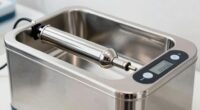
To prepare for your piercing appointment when you’re nervous, research the process to know what to expect. Choose a reputable studio and follow their guidance, like avoiding alcohol and caffeine beforehand. Practice relaxation techniques like deep breathing, and wear comfortable clothing. Bring moral support if it helps. Trust in the piercer’s hygiene practices and focus on positive outcomes. If you’re curious about more tips, you’ll find helpful ways to feel confident and calm before your appointment.

Get beauty and skincare favorites delivered free with Prime
- Fast, free delivery on millions of items
- Prime Video, Amazon Music and more included
- Member-only deals all year
Key Takeaways
- Research the piercing process and studio to build confidence and reduce uncertainty.
- Follow pre-appointment guidelines, like staying hydrated and avoiding blood thinners.
- Practice relaxation techniques such as deep breathing or mindfulness before the appointment.
- Choose a reputable studio with strict sterilization to ensure safety and peace of mind.
- Bring a supportive friend and communicate your concerns to the piercer for reassurance.
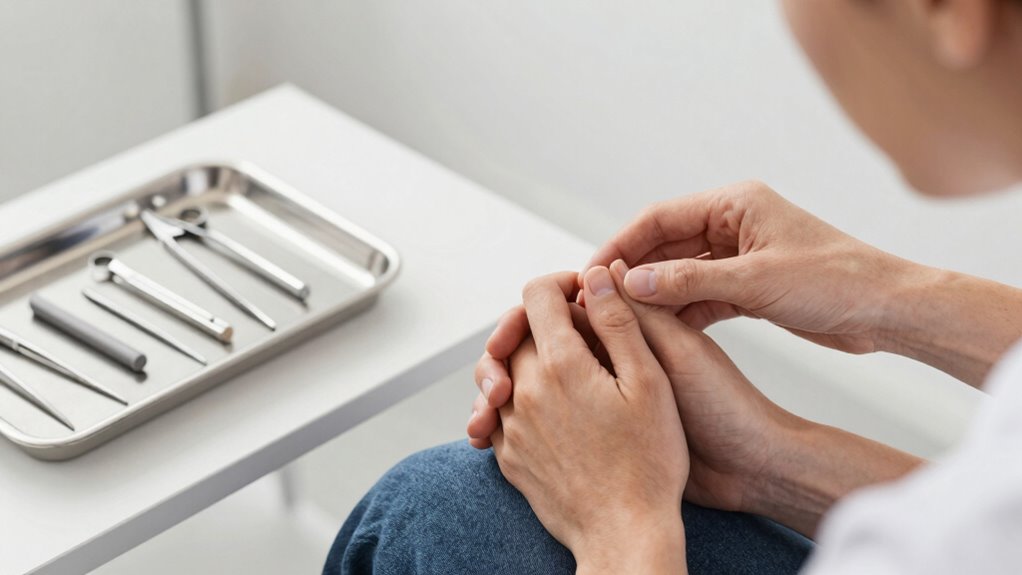
Getting a piercing can be exciting, but it’s also normal to feel nervous about the process. Your hands might tremble slightly, and your stomach could churn with anticipation. That’s completely understandable. Preparing yourself mentally and physically can make the experience smoother and less stressful. Start by doing some research on different piercing techniques. Knowing what to expect during the procedure helps demystify it and reduces anxiety. For example, understanding that certain piercings require specific tools or methods can make you feel more in control. Talk to your piercer beforehand about their approach and ask questions — this builds trust and reassures you that you’re in good hands.
Preparing mentally and asking questions can ease your nerves and make your piercing experience smoother.
Once you’ve chosen a reputable studio, follow their recommendations for preparation. Most piercers suggest avoiding alcohol, caffeine, and blood-thinning medications for at least 24 hours before your appointment. Staying well-hydrated and having a nutritious meal beforehand can also help you feel more comfortable and energized. Wearing comfortable clothing that allows easy access to the piercing site is another simple step to reduce fuss and stress. If you’re anxious, bring a friend for moral support, but make sure they understand not to interfere with the process. Your focus should remain on relaxation and trusting the professional performing the piercing. Remember, the safety of your piercing depends on proper sterilization techniques, so don’t hesitate to ask about the studio’s hygiene practices. Incorporating some relaxation techniques, like deep breathing or mindfulness, can further ease your nerves. Understanding hygiene practices can help you feel more confident in the safety measures taken during your appointment.
During the appointment, listen carefully to the piercer’s instructions. They’ll walk you through the procedure, explaining their piercing techniques and what sensations you might experience. Remember, the piercing is quick — often just a few seconds — and the pain is usually manageable. Breathing deeply and staying relaxed can help minimize discomfort. After the piercing, the piercer will give you specific aftercare tips to guarantee proper healing. These aftercare tips are essential because they help prevent infection and promote healthy healing. Follow them diligently, including cleaning the piercing with saline solution, avoiding touching it unnecessarily, and steering clear of irritating products like alcohol or peroxide on the wound. Being aware of common infection risks and how to prevent them can give you extra confidence moving forward.
Nervousness is natural, but taking these steps can help you feel more prepared. Trust in your choice of studio, stay informed about the process, and commit to the aftercare tips you receive. With a little preparation and a calm mindset, your piercing experience can be smooth and positive. Remember, the more you know and follow the guidelines, the easier it will be to enjoy your new piercing and the confidence that comes with it.
piercing aftercare saline solution
As an affiliate, we earn on qualifying purchases.
As an affiliate, we earn on qualifying purchases.
Frequently Asked Questions
What Should I Wear to My Piercing Appointment?
Wear comfortable clothing that allows easy access to the area being pierced, like a loose top or sleeveless shirt. Avoid tight or restrictive outfits. Bring your preferred piercing jewelry if you have specific pieces in mind, but trust your piercer’s recommendations. Choose neutral or dark-colored clothing to avoid staining if bleeding occurs. Keep accessories minimal to stay relaxed and guarantee the process is smooth while feeling confident and prepared.
Can I Bring a Friend for Support?
Think of your piercing nerves as a storm ready to break, and bringing a friend is like having a sturdy lighthouse guiding you through. Yes, you can bring someone for support and comfort, easing your anxiety. Their presence can turn an intimidating experience into a shared journey, helping you feel more at ease. With support, you’ll face your appointment with courage, knowing you’re not alone in this moment.
How Long Does the Healing Process Typically Take?
The healing timeline varies depending on the piercing type, but generally, it takes about 6 to 8 weeks for most piercings. During this time, you might experience some piercing pain, swelling, or tenderness, which is normal. Keep in mind, proper aftercare speeds up healing, while ignoring it prolongs the process. Be patient, follow your piercer’s instructions, and expect a gradual reduction in discomfort as your piercing heals.
Are There Any Specific Aftercare Products Recommended?
While nerves can make you anxious, choosing the right piercing aftercare products can bring peace of mind. Recommended products include saline solution, gentle antimicrobial soaps, and healing balms designed specifically for piercings. These products help prevent infections and promote healing. Trust in recommended piercing aftercare to protect your new jewelry, calm your nerves, and guarantee your piercing heals beautifully and safely.
What Should I Do if I Feel Faint During the Procedure?
If you feel faint during the procedure, tell your piercer immediately. Use anxiety management strategies like deep breathing or visualization to stay calm. Focus on relaxation techniques such as slow, steady breaths to reduce dizziness. If you continue feeling faint, sit or lie down briefly, and inform the staff so they can help you. Remember, staying calm and communicating openly helps guarantee your safety and comfort during the piercing.
Conclusion
So, you’ve braved the prep, survived the nerves, and made it to the appointment—congratulations! Now all that’s left is to sit back, trust the pros, and let them do their magic. Remember, it’s just a tiny prick, not a lightning bolt. Soon enough, you’ll be showing off that new piercing, proving that even the most nervous can conquer the needle. Embrace the pain, and enjoy your shiny new accessory—because who said adulthood isn’t a little bit daring?
Fall Picks
fall essentials
As an affiliate, we earn on qualifying purchases.