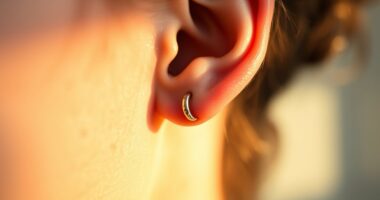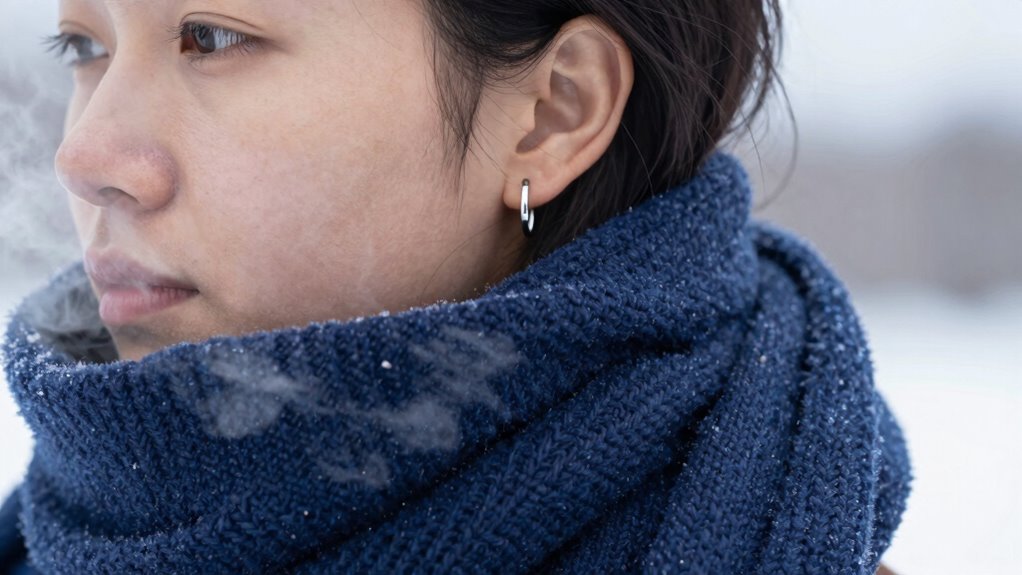

To protect your piercings during cold and flu season, focus on maintaining good hygiene and avoiding environments with high germ exposure. Wash your hands thoroughly before touching your piercings and keep the area clean with saline solutions or gentle cleansers. Stay away from shared towels or pillowcases that can transfer bacteria. Avoid excessive touching, avoid sweating, and wear soft, breathable clothing. For more tips on keeping your piercings safe, keep exploring ways to care for them properly.

Get beauty and skincare favorites delivered free with Prime
- Fast, free delivery on millions of items
- Prime Video, Amazon Music and more included
- Member-only deals all year
Key Takeaways
- Wash hands thoroughly before touching or adjusting piercings to prevent bacterial transfer.
- Keep your piercing clean with saline solution, avoiding harsh chemicals or shared items.
- Avoid exposing piercings to excessive moisture, sweat, or environments with high germ exposure.
- Use hypoallergenic jewelry materials to reduce irritation and infection risk during healing.
- Monitor for signs of infection and seek professional care promptly if issues arise.
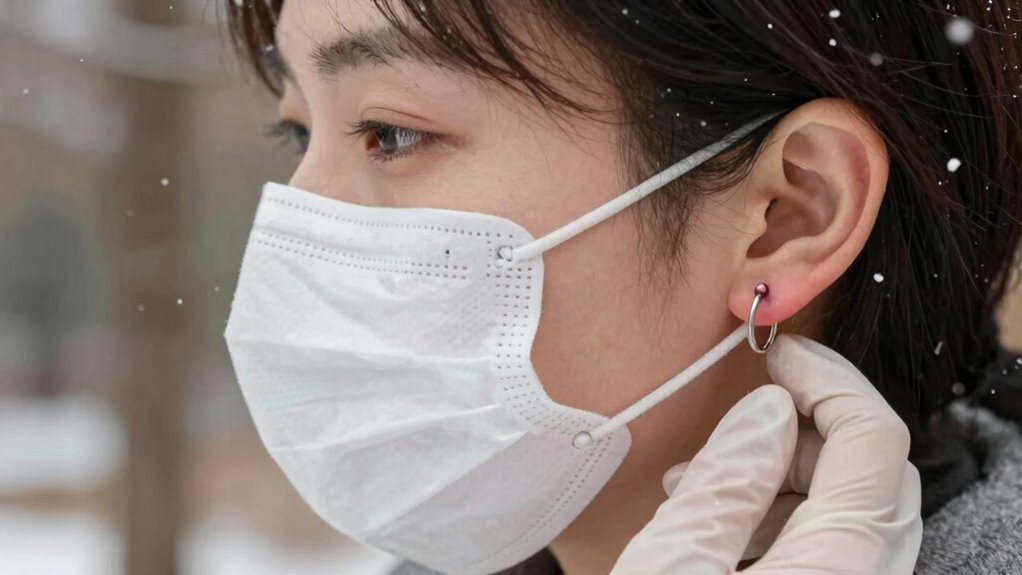
As cold and flu season approaches, it’s important to take extra steps to protect your piercings from infection and irritation. During this time, your immune system might be more vulnerable, and exposure to germs increases. One key way to safeguard your piercings is by paying close attention to the jewelry material you wear. Opt for high-quality, hypoallergenic options like surgical steel, titanium, or niobium. These materials are less likely to cause allergic reactions or trap bacteria, reducing the risk of infection. Avoid cheap, plated, or nickel-based jewelry, as they can irritate your skin and prolong the healing process.
Understanding your piercing’s healing timeline is also essential. Different piercings heal at different rates—ear lobes generally take about six to eight weeks, while cartilage piercings may need several months. During this healing period, your skin is especially vulnerable, so keeping it clean and protected becomes even more important. Be diligent about following aftercare instructions and avoid touching or rotating your jewelry unnecessarily, which can introduce bacteria and cause irritation. Remember, patience is key; rushing the healing process can lead to complications that take longer to resolve. Additionally, staying aware of immune system health can help you better support your body’s defenses during this vulnerable time.
Different piercings heal at varying rates; follow aftercare and be patient to prevent complications.
To minimize infection risk, always wash your hands thoroughly before touching your jewelry or cleaning your piercings. Use a saline solution or a gentle, fragrance-free cleanser recommended by your piercer to keep the area clean. During cold and flu season, you should also be cautious about environments where germs are prevalent. For instance, avoid sharing towels or pillowcases that come into contact with your face or ears. If you need to rest your head on a pillow, consider using a clean pillowcase or covering it with a soft cloth to prevent bacteria transfer. Additionally, since germ transmission can occur through contact with contaminated surfaces, it’s wise to regularly sanitize your belongings and surroundings. Incorporating proper hygiene practices can significantly reduce your risk of infection.
It’s also wise to be mindful of your clothing and accessories. Wear clothing that doesn’t drag across your face or ears, and avoid excessive sweating, which can irritate freshly healed or healing piercings. If you notice increased redness, swelling, or discharge, don’t ignore these signs. Seek professional advice promptly to prevent a minor issue from becoming a serious infection. By paying attention to jewelry material choices and understanding your piercing’s healing timeline, you can maintain healthy piercings and enjoy them safely even during cold and flu season.
hypoallergenic surgical steel earrings
As an affiliate, we earn on qualifying purchases.
As an affiliate, we earn on qualifying purchases.
Frequently Asked Questions
Can Cold and Flu Medications Affect My Piercing Healing?
Cold and flu medications can affect your piercing healing because of potential medication interactions. Some medicines, especially those containing anti-inflammatory or blood-thinning ingredients, might cause healing delays or increase the risk of bleeding and irritation. You should talk to your healthcare provider about your medications, and avoid unnecessary drugs that could interfere with healing. Proper care and avoiding harsh medications will help your piercing heal quickly and without complications.
Should I Avoid Certain Foods During Cold and Flu Season With Piercings?
You should avoid certain foods during cold and flu season with piercings, especially those that might impair your immune system. Stick to a balanced diet rich in immune-boosting foods like fruits, vegetables, and lean proteins. Limit processed foods, sugar, and alcohol, as they can weaken your immune response. Prioritizing a healthy diet helps your body recover faster and keeps your piercing area healthier during this season.
How Can I Tell if My Piercing Infection Is Worsening During Illness?
Watch for warning signs of worsening infection during illness, such as swelling, soreness, and a sinister, spreading redness. Infection symptoms like pus, pain, and increased warmth indicate trouble. If your piercing feels more tender or looks more inflamed, it’s time to take action. Don’t delay; consult a healthcare professional promptly to prevent the problem from worsening. Staying vigilant helps protect your piercing and promotes proper healing.
Are There Specific Piercing Types More Vulnerable During Cold and Flu Season?
Certain piercing types, like cartilage or surface piercings, are more vulnerable during cold and flu season because their jewelry material and location matter. Jewelry made from hypoallergenic materials, like surgical steel or titanium, helps reduce irritation. Piercings in areas prone to friction or exposure, such as the nape of your neck or facial piercings, can become more susceptible to infection when your immune system is compromised during illness.
Can Sneezing or Coughing Damage a Healing Piercing?
Sneezing or coughing can indeed damage a healing piercing if you’re not careful. The force from sneezing can cause irritation or even dislodge the jewelry. To protect your piercing, practice good piercing hygiene and avoid touching or twisting it. Always use sneeze precautions like covering your mouth, and try to keep your hands away from the area. This helps prevent infection and makes certain your piercing heals smoothly.
Conclusion
Protecting your piercings during cold and flu season isn’t just about hygiene—it’s about harmony, health, and happiness. By being vigilant, vigilant, and vigilant, you’ll prevent pesky infections and promote pristine piercings. Remember, proper precautions prevent painful problems, so stay savvy, sanitize, and safeguard your stunning piercings. With consistent care and cautious conduct, you can conquer cold seasons with confident, mesmerizing piercings that shine brighter than any seasonal sickness. Stay safe, stay stylish!
Fall Picks
fall essentials
As an affiliate, we earn on qualifying purchases.