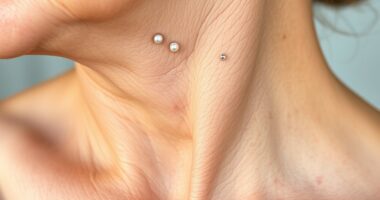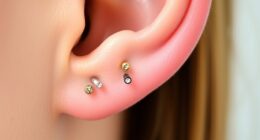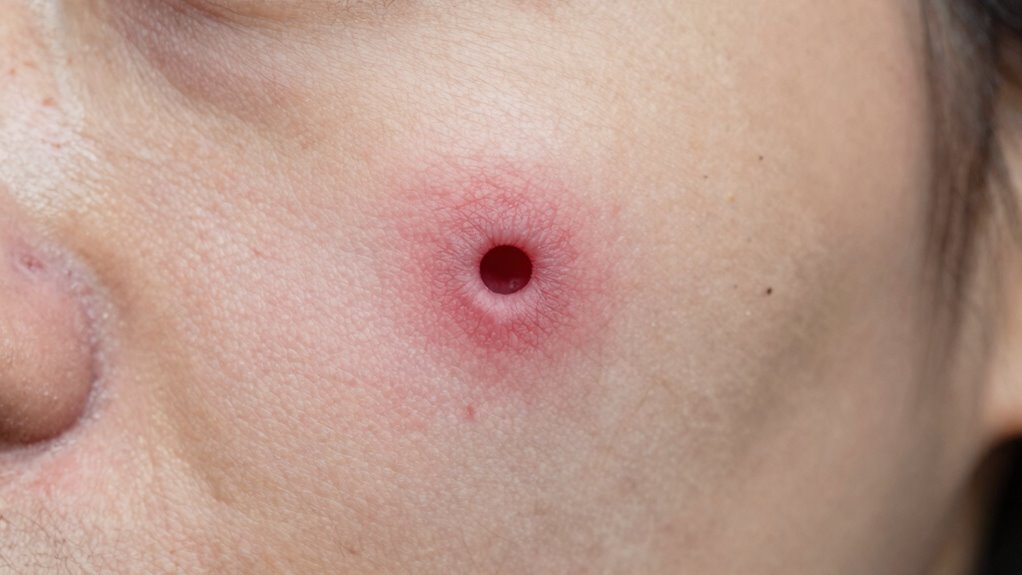

When reopening an old piercing, you can expect some redness, swelling, and tenderness initially, which are normal signs of healing. It may take longer than a fresh piercing due to scar tissue and your body’s rebuilding process. Proper aftercare, like gentle saline cleanings and avoiding irritants, helps promote healing. Watch for signs of infection or worsening symptoms, and if you notice anything abnormal, seek professional advice. To learn more, discover tips for smooth healing and avoiding complications.

Get beauty and skincare favorites delivered free with Prime
- Fast, free delivery on millions of items
- Prime Video, Amazon Music and more included
- Member-only deals all year
Key Takeaways
- Reopening an old piercing may take longer to heal due to scar tissue and tissue rebuilding.
- Initial redness, swelling, and tenderness are normal but monitor for signs of infection.
- Proper aftercare, including saline cleaning and avoiding irritants, supports healing.
- Be patient, as the healing process varies based on age, skin type, and aftercare.
- Seek professional advice if symptoms worsen or signs of infection or complications appear.
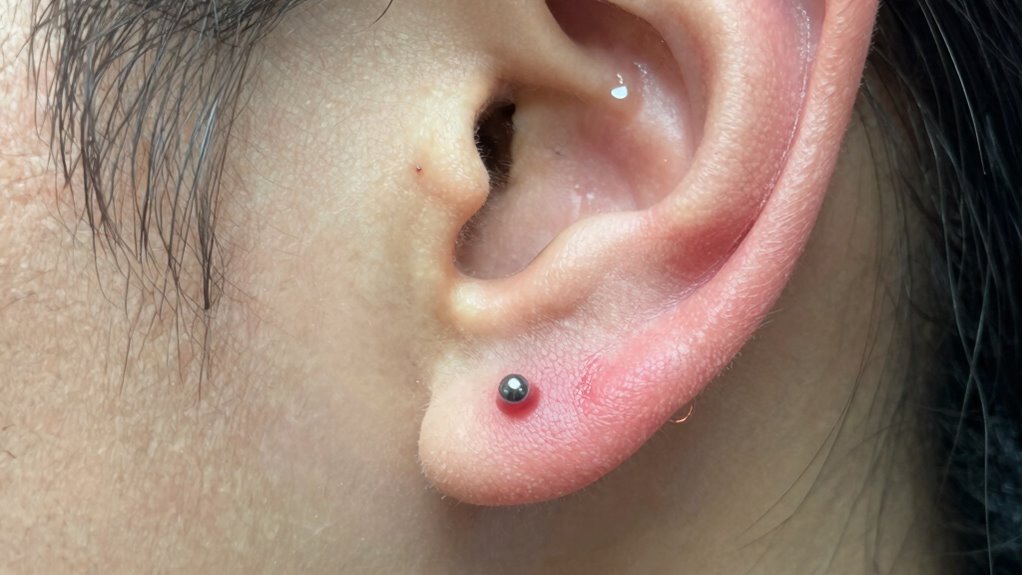
As you begin, keep in mind that the healing timeline for a reopened piercing can vary based on factors like age, skin type, and how well you care for it afterward. Typically, you might notice some redness, swelling, or tenderness in the first few days, which are normal signs of healing. However, if these symptoms persist or worsen, it could indicate an infection that requires prompt attention. To support the healing process, follow a consistent aftercare routine—clean the area gently with a saline solution and avoid touching or twisting the jewelry unnecessarily. Patience is key here; your body needs time to adjust, especially if the piercing has been closed for a long time. Understanding your body’s response and scar tissue formation can help you better navigate the healing process and avoid complications. Reopening an old piercing doesn’t usually mean starting from scratch, but it does mean you should expect a slightly longer healing timeline compared to a fresh piercing. Your body may need extra time to rebuild tissue around the jewelry, especially if scar tissue has formed. During this period, avoid exposing the area to harsh chemicals, excessive moisture, or irritating fabrics, as these can prolong healing or cause infection. If you notice any unusual discharge, increasing pain, or signs of infection, it’s best to consult a professional piercer or healthcare provider for advice. Understanding how your body responds to scar tissue and healing can help you better manage the process and ensure a successful reopening. Additionally, proper aftercare and keeping the area free from irritants are essential for a smooth healing experience.
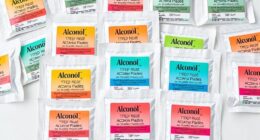
saline piercing aftercare solution
As an affiliate, we earn on qualifying purchases.
As an affiliate, we earn on qualifying purchases.
Frequently Asked Questions
How Long Should I Wait Before Reopening My Old Piercing?
You should wait at least 6-8 weeks before reopening your old piercing, but it varies based on your healing timeline. Make certain the piercing is fully healed and free of infection before reopening. During the process, practice pain management by cleaning the area gently and avoiding unnecessary trauma. If you experience discomfort or signs of infection, consult a professional piercer or healthcare provider for guidance before proceeding.
Are There Any Specific Cleaning Products Recommended?
For piercing aftercare, you should choose gentle, fragrance-free cleaning solutions like saline or specialized wound cleansers. Avoid harsh chemicals or alcohol-based products, as they can irritate your skin. Use sterile saline solution or a gentle, fragrance-free antiseptic recommended by your piercer. Consistently clean the piercing twice daily, and avoid over-cleaning. These cleaning solutions help prevent infection, promote healing, and keep your piercing fresh and healthy.
Can I Reopen the Piercing Myself or Should I See a Professional?
You should see a professional to reopen your old piercing, especially if you’re unsure about the healing process or suspect any complications. Attempting to reopen it yourself can cause infection or damage, similar to risks in tattoo removal. A professional piercer can safely remove or replace the piercing jewelry and guarantee proper healing. Prioritize safety and consult an expert rather than risking further issues by doing it yourself.
What Are the Signs of Infection to Watch For?
Think of your piercing as a garden that needs care; if you notice redness, swelling, pus, or increased pain, it’s a sign weeds—an infection—are taking hold. Watch for foul odors and persistent warmth around the jewelry. During healing time, if you see these signs, remove the jewelry gently and seek professional help. Ignoring these signals can prolong healing or cause further damage to your reopening piercing.
Will Reopening My Old Piercing Cause More Scarring?
Reopening your old piercing might cause more scarring because it irritates the healing process. When you reinsert piercing jewelry, you risk inflaming the tissue, which can lead to additional scar tissue formation. To minimize scarring, make certain you follow proper aftercare, avoid unnecessary movement, and use sterile tools. Patience is key; giving your piercing time to heal properly will help reduce the risk of more noticeable scars.
Conclusion
Reopening an old piercing can be a smooth process if you’re patient and gentle. For example, imagine re-piercing your cartilage after years; with proper cleaning and care, healing can be quick and painless. Keep in mind, some older piercings might have scar tissue that complicates healing, so listen to your body and consult a professional if needed. Patience and proper aftercare are your best friends for a successful reopening.
Evergreen bestsellers Picks
bestsellers
As an affiliate, we earn on qualifying purchases.