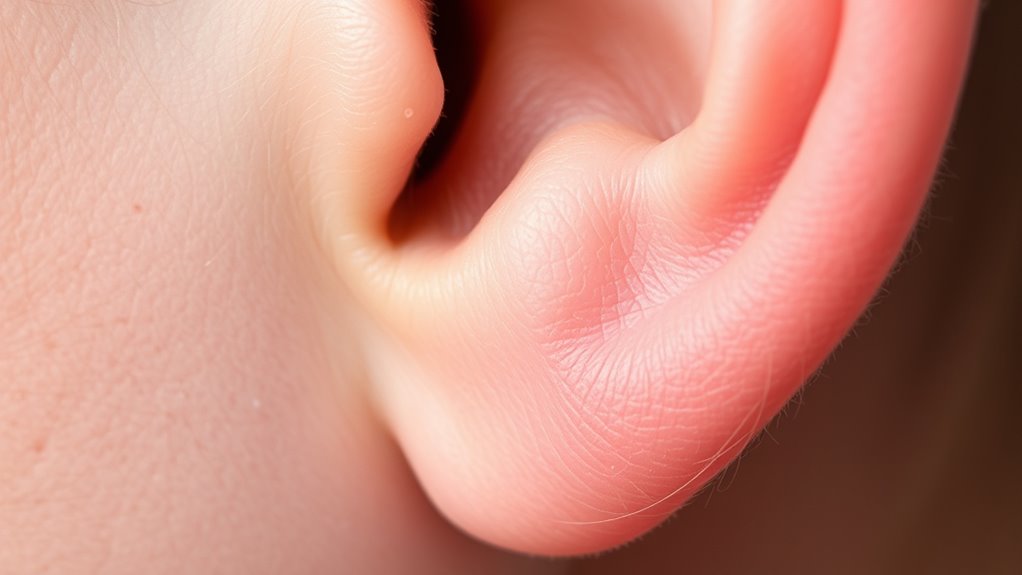

Re-piercing over scar tissue can be tricky because the tissue is less flexible, making precise placement harder and increasing infection risks due to poorer blood flow. You should see a professional piercer who can assess your scar and suggest the best approach. Attempting it yourself or rushing the process may cause rejection or prolonged healing. If you want to understand more about overcoming these challenges and safe solutions, keep exploring this topic further.
Key Takeaways
- Scar tissue’s rigidity and reduced flexibility complicate accurate placement and increase the difficulty of re-piercing.
- Healing over scar tissue is slower and more prone to complications like infection and rejection.
- Professional assessment is essential to evaluate scar maturity and tissue suitability before re-piercing.
- Proper hygiene and aftercare are critical to minimize infection risks during and after the procedure.
- Alternative jewelry options or waiting for tissue to mature may be recommended if re-piercing over scar tissue is unsuitable.

Ever wondered if it’s possible to re-pierce over scar tissue? The short answer is yes, but it comes with unique challenges you need to comprehend before proceeding. Scar tissue forms as part of the natural healing process after an initial piercing or injury. Unlike regular skin, scar tissue tends to be less flexible and more rigid, which can make re-piercing more complicated. When you attempt to pierce over a scar, you might notice that the tissue doesn’t stretch or move as easily as healthy skin. This reduced flexibility can increase the difficulty of accurately placing a new piercing and may require specialized techniques or tools.
Re-piercing over scar tissue is possible but more complicated due to reduced flexibility and healing challenges.
One of the primary concerns with re-piercing over scar tissue is infection risk. Scar tissue often has compromised blood flow and fewer immune cells, making it less capable of fighting off bacteria that could enter through the new piercing. If not done carefully and with proper hygiene, there’s a higher chance of infection developing, which can lead to complications like prolonged healing, increased scarring, or even abscesses. To minimize these risks, it’s essential to seek out a professional piercer experienced in working with scar tissue. They will assess the area thoroughly and decide whether re-piercing is safe or if alternative options are better.
Another obstacle you might encounter is the unpredictability of how the scar tissue will respond to the piercing. Since scar tissue doesn’t behave like normal skin, it can be more prone to irritation or rejection. You might find that the jewelry doesn’t sit properly or that the piercing doesn’t heal as expected. The rigidity of scar tissue can also cause discomfort or pain during and after the procedure, and healing might take longer than usual. Proper aftercare becomes even more critical in these cases. You’ll need to keep the area clean, avoid unnecessary trauma, and follow your piercer’s advice meticulously to prevent complications.
Before deciding to re-pierce over scar tissue, it’s wise to consult with a professional who can evaluate the specific characteristics of your scar. They might suggest alternative approaches, such as using different types of jewelry or waiting until the scar tissue matures further. Sometimes, a small amount of scar tissue may not be suitable for re-piercing at all, and trying to do so could cause more harm than good. Ultimately, understanding the unique properties of scar tissue—its reduced flexibility and increased infection risks—will help you make an informed decision. With proper guidance and caution, re-piercing over scar tissue is possible, but it requires careful planning and expert execution to ensure safety and satisfactory results.
Frequently Asked Questions
Can Scar Tissue Cause Allergic Reactions During Re-Piercing?
Yes, scar tissue can cause allergic reactions during re-piercing because it often leads to increased scar sensitivity. Your body might react more strongly to metals or materials in the jewelry, resulting in allergic responses. It’s essential to select hypoallergenic options and consult with a professional piercer experienced in working with scar tissue. This helps minimize risks and guarantees a safer re-piercing process, especially when scar tissue might heighten allergic responses.
How Long Should I Wait Before Re-Piercing Scar Tissue?
You should wait at least 6 to 12 months before re-piercing scar tissue. During this time, the healing duration allows your scar tissue to mature, reducing risks of complications. It’s essential to give your body enough time to fully heal and stabilize. Consulting with a professional piercer guarantees your scar tissue is ready, and they can assess if enough healing has occurred for a safe re-piercing.
Are There Specific Tools Recommended for Piercing Scar Tissue?
You should use specialized tools designed for piercing scar tissue, as regular needles may not be effective or safe. These tools, like scar tissue piercing needles or small, precision instruments, help navigate the tough, fibrous tissue more easily. Always consult a professional piercer experienced with scar tissue, because they know how to select the right tools and techniques to minimize pain and reduce complications during re-piercing.
Does Scar Tissue Affect the Healing Process After Re-Piercing?
It might seem like scar tissue formation would speed up healing, but it actually causes healing complications after re-piercing. Scar tissue can reduce blood flow and make the skin less elastic, leading to uneven healing or rejection. So, yes, scar tissue does affect the healing process, making it more challenging. You should always consult a professional who understands these risks to guarantee proper care and minimize complications.
Can Scar Tissue Re-Piercing Lead to Infection More Easily?
Yes, scar tissue can increase your risk of infection during re-piercing because it’s often more sensitive and prone to irritation. Scar tissue sensitivity makes it harder for your body to fight off bacteria, raising the chances of piercing complications. When you re-pierce over scar tissue, you may experience delayed healing and a higher likelihood of infection, so it’s essential to work with an experienced piercer and follow proper aftercare.
Conclusion
Re-piercing scar tissue may seem intimidating, but with patience and proper care, it’s achievable. While the scar might remind you of past pain, it also symbolizes resilience and change. Sometimes, the toughest scars hold the most beauty, just like the process of healing and renewal. Don’t let fear hold you back; instead, see your scar as a testament to your strength—proof that even broken things can become new, beautiful again.