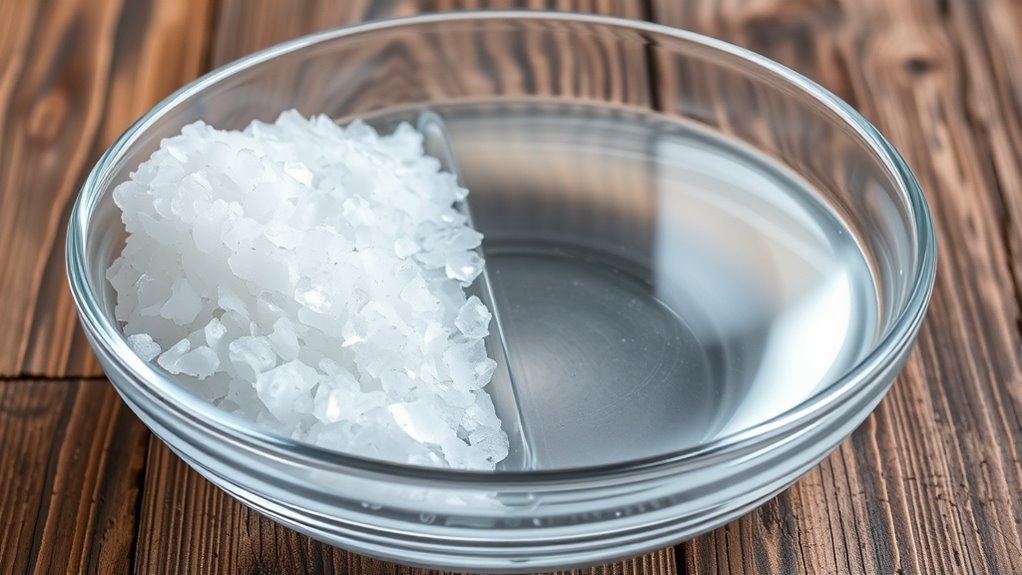

Choosing between sea salt and saline solutions depends on your preference for natural minerals versus consistency. Saline solutions are pH-balanced, sterile, and designed for gentle nasal rinses, making them reliable and safe, especially if you have sensitive tissues. Sea salt offers minerals that may soothe irritated membranes but varies in composition and pH. Exploring how each option affects your nasal health can help you make the best choice for your needs.
Key Takeaways
- Saline solutions offer a sterile, consistent pH around 7.0, reducing nasal irritation compared to variable pH sea salt.
- Sea salt contains natural minerals that may soothe nasal tissues, but mineral content varies based on source.
- Purified saline minimizes contaminants and provides reliable, additive-free nasal rinsing, ideal for sensitive individuals.
- Natural sea salt offers mineral benefits but may include impurities if not high-quality; processed saline ensures purity.
- For safety and consistency, medical-grade saline solutions are generally preferred over unrefined sea salt for nasal health.
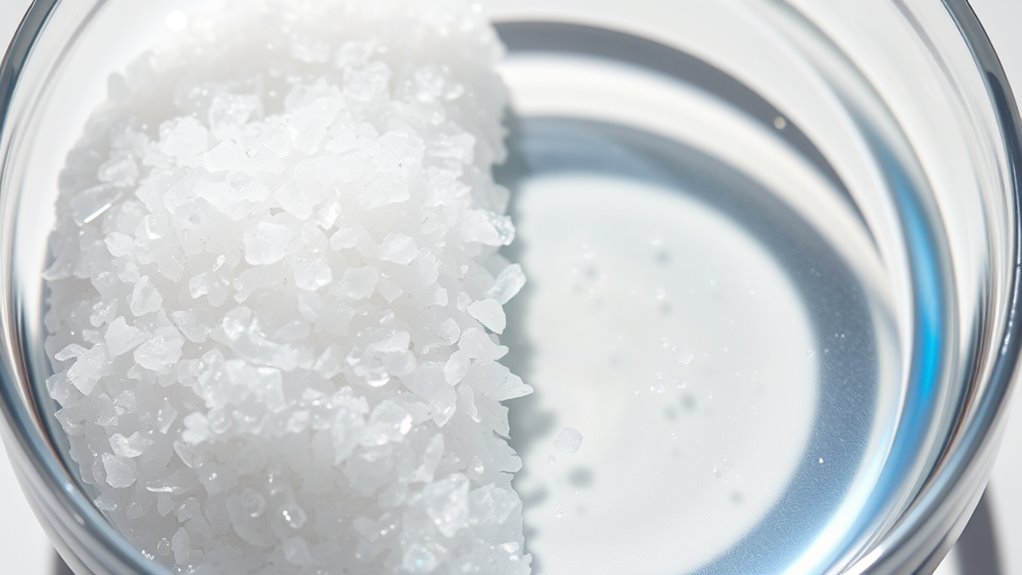
When choosing between sea salt and saline solutions for nasal rinses or other health uses, understanding their differences is vital. One of the key factors to contemplate is how each affects your body’s natural pH balance. Saline solutions are typically manufactured to have a neutral or slightly saline pH, around 7.0, which closely matches the pH of your body’s fluids. This neutrality helps guarantee that using the solution won’t disturb your natural nasal environment, reducing irritation or discomfort during rinses. In contrast, sea salt contains a range of minerals and trace elements that can influence the solution’s pH. Depending on the source, sea salt may have a slightly more alkaline or acidic pH, which could impact comfort and effectiveness. If you’re sensitive to pH fluctuations, choosing a saline solution formulated for medical use might be gentler on your nasal tissues.
Another vital aspect is mineral content. Sea salt is rich in various minerals like magnesium, potassium, calcium, and trace elements that are naturally present in seawater. These minerals can provide additional benefits, such as soothing irritated membranes or promoting overall nasal health. However, the mineral content in sea salt varies depending on where it’s harvested, and some mineral levels might be higher or lower than what’s ideal for nasal rinses. On the other hand, saline solutions are usually purified and contain only sodium chloride dissolved in sterile water. They lack the minerals found in sea salt, making them a more controlled and consistent option. This consistency can be advantageous if you need a reliable, additive-free solution for sensitive nasal tissues or medical procedures.
When choosing between the two, consider your specific needs. If you prefer a natural option that offers the potential benefits of additional minerals, sea salt could be appealing. Just guarantee it’s high-quality, unrefined, and free from contaminants. If you prioritize a straightforward, sterile solution that minimizes variability in mineral content and pH, a pre-made saline solution might serve you better. It’s also worth noting that some saline products are specially formulated to mimic the body’s natural fluids, which can make them more comfortable for everyday use or medical applications. Additionally, understanding how pH levels can influence nasal comfort and health is crucial in making an informed choice. Ultimately, both options are effective for nasal rinses, but your choice should align with your sensitivities, health goals, and preferences for natural versus processed solutions.
Frequently Asked Questions
Can Sea Salt or Saline Solutions Help With Nasal Congestion?
Yes, both sea salt and saline solutions can help relieve nasal congestion. They act as alternative remedies by flushing out mucus and irritants. Natural solutions, like sea salt, are often preferred for their mineral content, while synthetic saline solutions are precisely balanced for safety and effectiveness. You can try either to ease congestion, but always guarantee proper use and consult a healthcare provider if symptoms persist.
Are There Any Risks Using Sea Salt or Saline Solutions Long-Term?
Using sea salt or saline solutions long-term is like tending a garden; with proper care, it remains healthy, but neglect can cause weeds. Generally, they’re safe if you follow recommended usage, but long-term effects may include nasal dryness or irritation. Safety concerns arise if solutions are contaminated or overly concentrated. Always use sterile, properly diluted solutions to minimize risks and make sure your nasal passages stay balanced and healthy over time.
Which Option Is More Cost-Effective for Daily Use?
Sea salt is generally more cost-effective for daily use than saline solutions. When you do a cost comparison, you’ll find that bulk sea salt offers better affordability for regular nasal rinses or skincare routines. Saline solutions tend to be pricier over time, especially if purchased pre-made. With an affordability analysis, using sea salt allows you to save money while maintaining effective nasal or skincare hygiene daily.
Do Sea Salt and Saline Solutions Contain Any Added Chemicals?
Sea salt and saline solutions generally don’t contain added chemicals, but their natural mineral content varies. Sea salt retains trace minerals, which may include natural impurities, while saline solutions are usually sterile and contain only salt and water. Some store-bought saline solutions might have preservative additives for longer shelf life. Always check labels if you’re sensitive to preservatives or prefer pure, natural mineral content for your nasal or wound care.
Can Children Safely Use Sea Salt or Saline Nasal Sprays?
In the blink of an eye, you notice children can safely use saline nasal sprays, making them a popular natural remedy. Always choose products labeled for pediatric safety, and avoid sea salt solutions with added chemicals or preservatives. Use saline sprays as directed, and consult your child’s doctor if you have concerns. Saline is gentle, effective, and a safe option for relieving nasal congestion in little ones.
Conclusion
Imagine you’re snorkeling in clear waters—you choose between pure seawater and a gentle saline solution. Just like knowing which to pick enhances your underwater experience, understanding the difference helps you make better health choices. Sea salt offers natural minerals, but saline solutions provide a controlled, sterile environment. Ultimately, it’s about what suits your needs best. Like choosing the right gear for your adventure, selecting between sea salt and saline can make all the difference in your wellness journey.