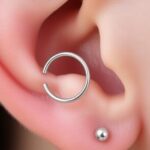
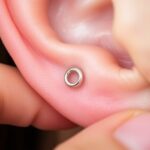
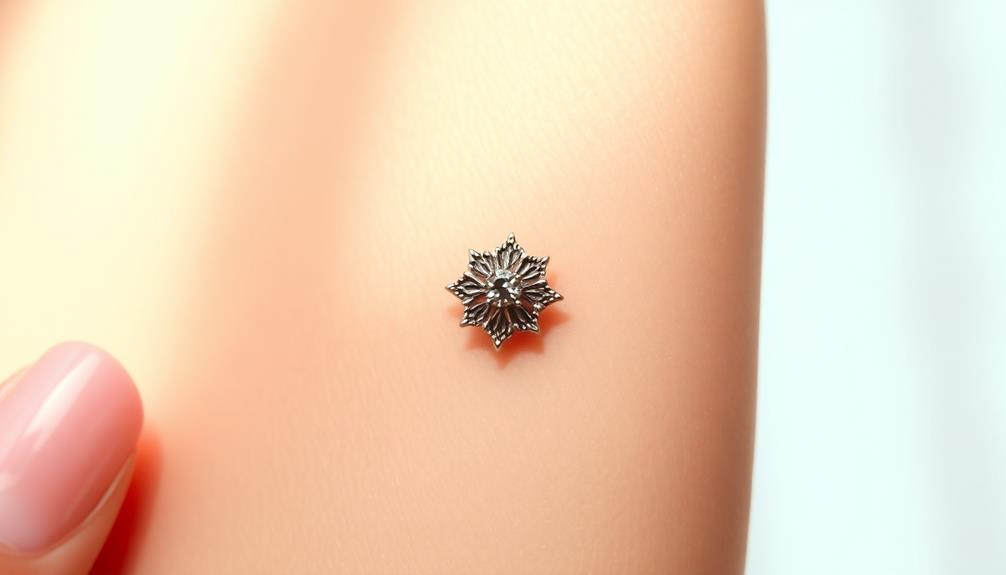
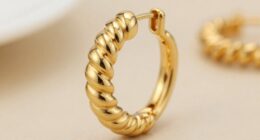
Septum piercings offer a variety of style options, from ring and horseshoe jewelry to decorative septum clickers, allowing you to showcase your personal taste. Proper healing, which lasts about six to eight weeks, relies on high-quality materials like surgical steel or titanium, and good aftercare. Choosing the right jewelry and technique guarantees comfort and longevity. Stay tuned, as you’ll discover how to customize your piercing and maintain it beautifully over time.
Key Takeaways
- Style variations include rings, horseshoes, and clicker jewelry, allowing personalization after healing.
- Proper technique and high-quality materials minimize healing time and reduce complications.
- Healing typically lasts six to eight weeks with saline aftercare, supporting optimal healing and style flexibility.
- Choosing hypoallergenic, durable jewelry ensures comfort and longevity of the piercing.
- After healing, jewelry can be swapped to showcase different styles and express individual personality.
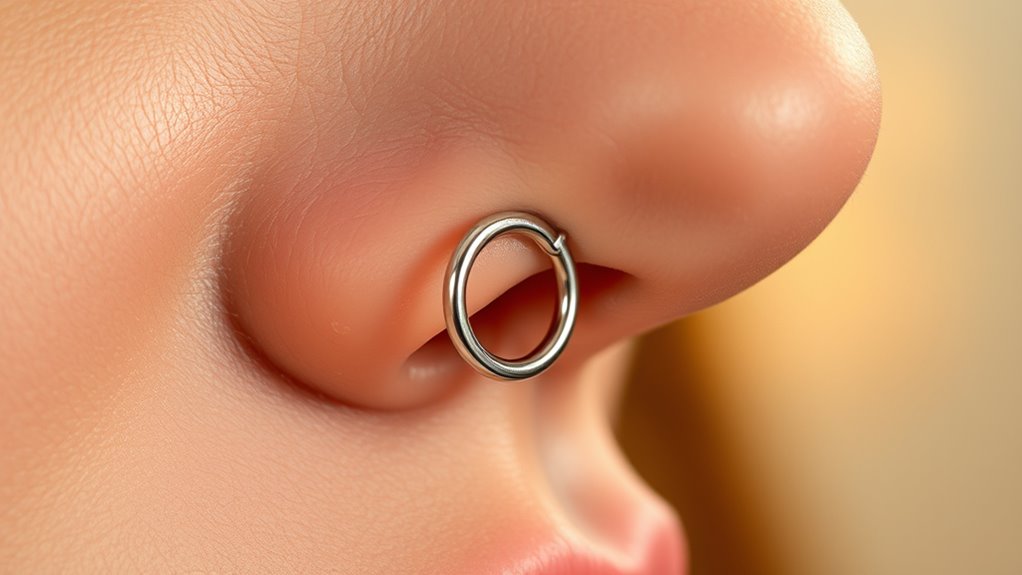
A septum piercing is a popular body modification that involves piercing the thin cartilage wall between your nostrils. It’s a bold statement that instantly enhances your facial features and offers endless style options. When considering this piercing, understanding the jewelry materials used is essential. High-quality jewelry materials like surgical steel, titanium, or niobium are ideal because they are hypoallergenic, durable, and less likely to cause irritation. These materials also resist corrosion, which is fundamental for a piercing that’s exposed to moisture and air constantly. Some individuals prefer options like gold or bioplast, especially if they have sensitive skin, but it’s essential to ensure these are medical-grade to prevent any adverse reactions. Choosing the right jewelry material can markedly influence your healing process and overall comfort.
Piercing techniques play a pivotal role in how your septum piercing turns out and heals. A professional piercer will use sterile, precise techniques to minimize trauma and reduce the risk of infection. Typically, they mark the spot carefully to ensure symmetry and comfort before proceeding. The actual piercing involves creating a clean hole through the cartilage with a sterilized needle, which is less traumatic than using a piercing gun. This approach allows for a more accurate and less painful procedure, especially critical given the delicate nature of septal cartilage. After the initial piercing, your piercer might recommend specific jewelry styles that suit your anatomy and style preferences. The technique used and the skill of your piercer directly impact how well your piercing heals and how minimal scarring or complications are.
Once pierced, the healing period can vary but usually takes between six to eight weeks. During this time, proper aftercare is essential to avoid infections or complications. You should avoid touching or twisting the jewelry unnecessarily, keep the area clean with saline solutions, and steer clear of irritating products like alcohol or hydrogen peroxide. The type of jewelry you wear during healing, often initially a straight barbell or septum retainer, influences both comfort and healing. Over time, as your piercing heals, you may switch to more decorative or personalized jewelry options, but always ensure they are made from safe, high-quality materials to prevent allergic reactions or damage to the piercing. Your choice of jewelry materials and piercing techniques set the foundation for a successful, stylish septum piercing that can be a lifelong expression of your personal style.
Frequently Asked Questions
Can Septum Piercings Be Hidden Completely?
Yes, septum piercings can be hidden completely with the right hidden options, like a septum retainer or seamless jewelry. These tools allow you to conceal your piercing for professional or personal reasons, providing effective piercing concealment. When you choose discreet jewelry, you can easily hide your septum piercing, making it versatile for different situations. Just make certain you select the proper jewelry and follow proper insertion techniques for the best results.
How Do I Prevent Infection During Healing?
Your piercing journey depends on meticulous aftercare to prevent infection. Keep your septum clean with saline solutions, avoiding touching it with dirty hands. Follow your piercer’s advice, and avoid swimming or submerging your piercing in unclean water. Use gentle products, and avoid trauma or irritation. Consistent piercing aftercare and infection prevention are your best defenses against complications. Remember, a little extra care now keeps your piercing healthy and beautiful forever!
Are There Age Restrictions for Septum Piercings?
Age considerations and legal requirements vary, but generally, you need to be at least 16 or 18 years old to get a septum piercing, depending on your location. Some studios may require parental consent if you’re under the legal age. Always check local laws and studio policies beforehand. Make certain you choose a reputable piercer who follows safety standards, so your piercing is both safe and compliant with legal regulations.
What Are Common Complications or Risks?
Imagine a tiny, shiny ring pressing against your nose—it’s beautiful, but beware of healing complications like swelling or infections. You might face allergic reactions to certain metals, causing redness or irritation. These risks can turn your piercing into a painful ordeal if not cared for properly. Stay vigilant, keep it clean, and choose hypoallergenic jewelry to minimize complications. Your septum piercing can be stunning, but only if you’re cautious about potential risks.
How Do I Choose the Right Jewelry Style?
To choose the right jewelry style, consider jewelry materials like surgical steel, titanium, or bioplast to prevent irritation. You should also match the piercing gauge, typically 16 or 14, with the jewelry’s thickness for comfort and healing. Think about your style preferences and the look you want, but prioritize high-quality, hypoallergenic options to reduce risks and make certain your piercing heals well and looks great.
Conclusion
As you explore septum piercings, imagine the gentle curve of the metal resting comfortably between your nostrils, a subtle yet bold statement. With proper care and patience, that delicate ring transforms from a fresh wound into a shimmering symbol of your unique style. Embrace the healing journey, knowing each day brings your piercing closer to blending seamlessly into your reflection — a small sparkle that echoes your confidence and individuality.