When your piercing is healing properly, you’ll notice minimal swelling, less redness, and no persistent pain or irritation. The jewelry should sit comfortably without tightness or discomfort, and any discharge will be clear or slightly yellowish and decrease over time. Your skin gradually returns to normal, and there’s no signs of infection or worsening swelling. If you keep monitoring these signs, you’ll discover more ways to make certain your piercing heals well.

Get beauty and skincare favorites delivered free with Prime
- Fast, free delivery on millions of items
- Prime Video, Amazon Music and more included
- Member-only deals all year
Key Takeaways
- Jewelry remains comfortable, secure, and without signs of allergic reactions or tightness.
- The area is clean, dry, and free from crusty buildup, with no persistent tenderness.
- Swelling and discharge decrease over time, indicating progress in healing.
- There is no ongoing pain, itching, burning, or irritation, and discomfort diminishes.
- The piercing looks less inflamed, with skin returning to normal, showing signs of proper healing.
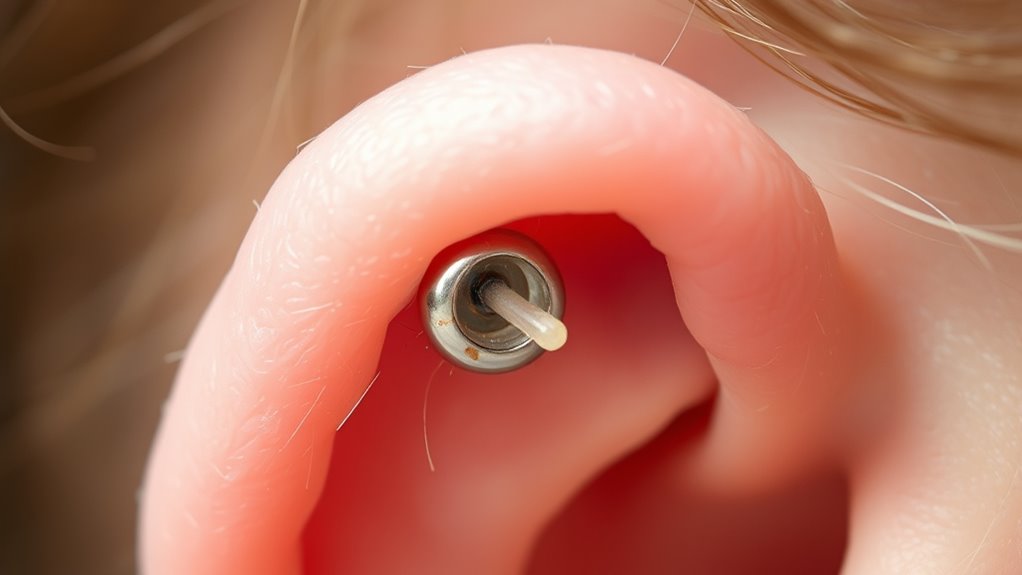
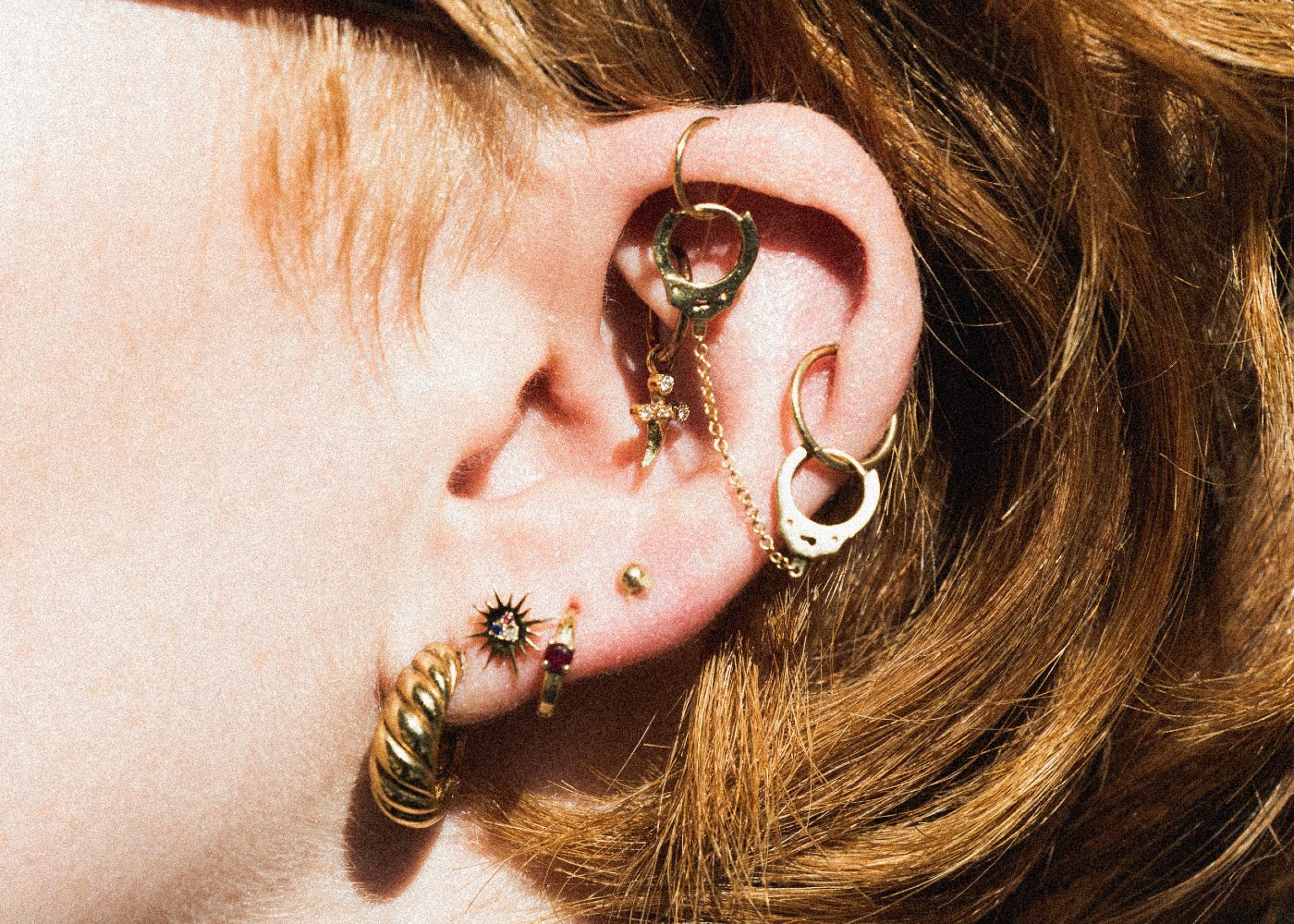
When you get a new piercing, it’s natural to wonder if it’s healing correctly. One of the first signs of proper healing is observing how your body responds to the jewelry choices you’ve made. Choosing high-quality, hypoallergenic jewelry like surgical steel or titanium can make a big difference in preventing irritation and promoting healing. If your piercing remains comfortable and shows no signs of allergic reactions, like redness or swelling beyond the initial days, you’re likely on the right track. Over time, you might notice the jewelry settling into your skin, with no excessive tightness or movement that causes discomfort. That’s a good indicator that your piercing is healing steadily.
Choosing hypoallergenic jewelry and watching for comfort and lack of swelling indicates proper healing.
Equally important is sticking to a consistent aftercare routine. When you follow proper aftercare routines, you help your body repair itself and reduce the risk of infection. Regularly cleaning your piercing with a saline solution, avoiding harsh chemicals or alcohol-based products, supports healing and minimizes irritation. If your piercing remains clean, dry, and free from crusty buildup, that’s a positive sign. You should also notice that the area isn’t overly tender or painful, which suggests it’s progressing well. It’s normal to experience some soreness initially, but persistent pain or throbbing might indicate a problem that needs attention.
Another sign of proper healing is the absence of excessive swelling or discharge. Slight swelling and clear or slightly yellowish fluid can be normal in the early stages, but if these symptoms persist or worsen, it could point to an infection. When you observe that the swelling diminishes over time and the discharge becomes minimal, you’re likely healing as expected. Additionally, your skin should gradually return to its normal appearance, with the piercing area looking less irritated and inflamed with each passing day.
Monitoring your healing progress and ensuring the jewelry remains comfortable can help you identify any issues early. You’ll also notice that your jewelry remains secure and comfortable, with no itching or burning sensations. If you find yourself constantly adjusting or scratching your piercing, it might mean your body isn’t fully accepting the jewelry or that an infection is brewing. Staying consistent with your aftercare routines and choosing the right jewelry helps your body adapt and heal effectively. Overall, if your piercing stays clean, free of pain, and shows signs of reduced inflammation, you’re on the right path. Patience is key, but these signs reassure you that your body is healing properly and your piercing will look great in no time.
hypoallergenic surgical steel piercing jewelry
As an affiliate, we earn on qualifying purchases.
As an affiliate, we earn on qualifying purchases.
Frequently Asked Questions
How Long Does It Typically Take for Different Piercings to Heal?
Healing timelines vary depending on the piercing type, but generally, earlobes take about 6-8 weeks, cartilage piercings around 4-12 months, and nostrils roughly 2-4 months. You’ll reach some key piercing milestones along the way, like reduced swelling and less tenderness. Keep in mind, individual healing rates differ, so pay attention to your body’s signals and follow proper aftercare to guarantee smooth healing.
Can I Change My Jewelry During the Healing Process?
Changing jewelry during the healing process is like walking a tightrope—you risk disrupting your piercing’s progress. It’s best to wait until your piercing reaches the full healing timeline, which varies depending on the site. Jewelry flexibility matters; choose jewelry that won’t cause stress or irritation. If you must change it early, consult your piercer first, because patience guarantees proper healing and avoids setbacks.
What Are Common Signs of Infection to Watch For?
If you notice signs of infection like excessive redness, swelling, pus, or a foul odor, you should act quickly. Healing complications can include persistent pain, warmth around the piercing, or fever. Keep an eye out for these symptoms, and if they appear, see a professional promptly. Ignoring these signs can lead to more serious issues, so early intervention helps guarantee proper healing and avoids complications.
Are There Specific Aftercare Routines for Different Piercing Types?
Piercing preferences prompt particular practices. You should select jewelry material suited for your piercing, like hypoallergenic options, to prevent irritation. Cleaning techniques vary—use saline solutions or gentle cleansers specific to your piercing type. For ear lobes, a simple routine suffices, while cartilage piercings might need more careful cleaning. Tailor your aftercare to your piercing’s unique needs, ensuring proper healing while preventing problems like infection or irritation.
How Does Body Location Affect Healing Times and Processes?
Your body’s anatomical differences influence healing times and variability across different piercing locations. For example, cartilage piercings tend to heal slower due to limited blood flow, while flesh piercings like earlobes heal faster. You should expect longer healing processes in areas with thicker tissue or less blood supply, and pay extra attention to proper aftercare. Understanding these anatomical differences helps you manage healing expectations and reduce complications effectively.
Conclusion
As your piercing heals, think of it as a delicate garden blossoming with patience and care. When you see signs of healthy progress—reduced redness, no swelling, and gentle pain—you’re nurturing it like a tender seedling. Trust the process, and your piercing will flourish into a beautiful part of you. Keep tending to it with love and attention, and soon, this journey will bloom into a radiant symbol of your patience and resilience.
Columbus Day / Indigenous Peoples' Day Picks
long weekend sales
As an affiliate, we earn on qualifying purchases.