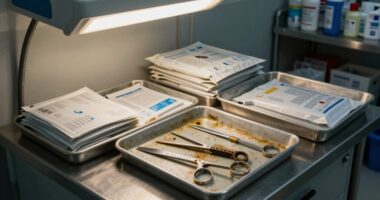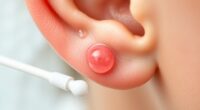
In a professional piercing studio, you use sterilization techniques like autoclaves that utilize high-pressure steam to kill bacteria, viruses, and fungi. You should always clean tools with ultrasonic cleaners first and then sterilize them in autoclaves, following manufacturer instructions. Using disposable items and maintaining hygiene protocols, like handwashing and glove use, are also essential. Mastering these practices guarantees safety and builds trust—keep exploring to learn more about effective sterilization procedures.
Key Takeaways
- Use autoclaves to sterilize reusable tools with high-pressure steam, ensuring effective pathogen elimination.
- Employ ultrasonic cleaners to remove debris before sterilization, enhancing sterilization efficacy.
- Maintain sterilizer pouches to preserve the sterility of tools post-process.
- Follow manufacturer instructions for cycle times, temperature, and safety protocols during sterilization.
- Discard single-use items and properly disinfect work surfaces to prevent cross-contamination.

Ensuring proper sterilization techniques in piercing studios is essential for preventing infections and protecting clients’ health. When you prioritize sterilization, you create a safe environment that minimizes the risk of transmitting bloodborne pathogens and other contaminants. To achieve this, you need reliable sterilization equipment and strict adherence to hygiene protocols. The right sterilization equipment, such as autoclaves, ultrasonic cleaners, and sterilizer pouches, plays a vital role in effectively killing bacteria, viruses, and fungi. Autoclaves, in particular, are considered the gold standard for sterilization because they use high-pressure steam to thoroughly sterilize jewelry, needles, and tools. Ultrasonic cleaners help remove debris and organic material before sterilization, ensuring the equipment works efficiently. Using sterilizer pouches allows you to maintain sterility after the process, so you can handle equipment without recontaminating it.
Implementing comprehensive hygiene protocols is equally important. This begins with washing your hands thoroughly and wearing disposable gloves every time you handle piercing equipment or come into contact with clients. Proper hand hygiene is the first line of defense against contamination. You should also disinfect all work surfaces and immediately clean and sterilize reusable tools after each use. Keeping a detailed sterilization log helps you track your procedures, confirming that every item has been properly processed. It’s critical to follow manufacturer instructions for all sterilization equipment, including cycle times and temperature settings, to ensure every item reaches the necessary sterilization standards. Additionally, using single-use, disposable items whenever possible reduces the chance of cross-contamination. For example, using sterile needles and pre-packaged jewelry minimizes risks considerably. Regular staff training on sterilization procedures and hygiene protocols is crucial to ensure consistent compliance and understanding.
Training your staff on sterilization procedures and hygiene protocols is crucial. Regularly review and update procedures to stay aligned with health regulations and best practices. Proper training ensures everyone understands the importance of sterilization and can execute procedures correctly. It’s also wise to conduct periodic audits and inspections to verify compliance. Remember that sterilization isn’t just a one-time effort; it requires ongoing diligence. By maintaining strict hygiene protocols and utilizing proper sterilization equipment, you not only comply with health standards but also build trust with your clients. They’ll appreciate your commitment to their safety and well-being. Ultimately, your attention to detail in sterilization techniques fosters a professional environment where clients feel confident getting pierced, knowing their health is your top priority.
Frequently Asked Questions
How Often Should Sterilization Equipment Be Calibrated?
You should calibrate your sterilization equipment regularly, ideally following the manufacturer’s calibration schedules. Consistent sterilizer maintenance is vital to guarantee proper functioning and safety. Check calibration at least once every six months, or more frequently if you notice any issues. Keeping your sterilizer properly calibrated helps maintain effective sterilization, protects clients, and complies with health standards. Always document calibration dates and adjustments for future reference and inspections.
What Are the Signs of Sterilization Failure?
Did you know that over 70% of sterilization failures go unnoticed without proper testing? You’ll notice signs like discoloration or a change in sterilizer performance, but the best way to detect failure is through biological indicators. Regular sterilization validation helps confirm that your equipment works effectively. If biological indicators show growth, it’s a clear sign your sterilization process has failed, and you need to address it immediately to ensure safety.
Are Disposable Tools Truly Sterile After Opening?
Disposable tools are designed to be sterile after opening, guaranteeing they’re safe to use. They undergo strict sterilization validation processes before packaging, so you can trust they’re free of contaminants. Once you open single-use tools, they remain sterile if kept in their sealed packaging until use. Always check for intact packaging and proper expiration dates to ensure their sterility, providing a safe piercing experience for your clients.
How Do Studios Prevent Cross-Contamination Between Clients?
Think of your studio as a well-oiled machine, just like a vintage jukebox. You prevent cross-contamination by strictly enforcing equipment maintenance and regular sterilization procedures. Staff training is key—your team must follow proper hand hygiene, use disposable needles, and disinfect surfaces between clients. By staying vigilant and adhering to these practices, you guarantee a safe environment where clients feel confident and protected during every piercing.
What Certifications Verify a Studio’s Sterilization Practices?
You can verify a studio’s sterilization practices through industry standards certifications like the CDC’s Bloodborne Pathogens Standard and OSHA compliance. Certification processes guarantee studios follow proper sterilization procedures, such as using autoclaves and single-use tools. Always ask to see these certifications, as they guarantee the studio adheres to safety protocols, minimizing infection risks and ensuring a clean environment for every client.
Conclusion
Just like a master forges a sword with care and precision, your commitment to proper sterilization guarantees every piercing is safe and lasting. By following these techniques, you protect your clients and uphold your studio’s reputation. Remember, the devil’s in the details—so stay vigilant and diligent. When you prioritize sterilization, you’re not just piercing skin; you’re forging trust and craftsmanship that stand the test of time.