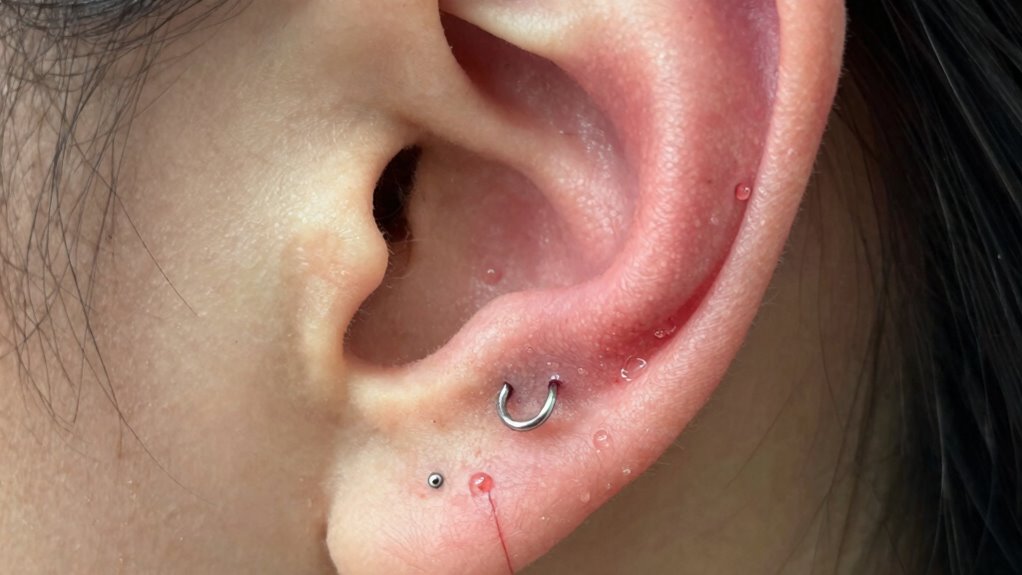

Touching or fiddling with your new piercing is the main habit that keeps it angry and slow to heal. When you constantly play with it, you transfer dirt, oils, and bacteria, which can cause irritation, swelling, and even infection. This disrupts the delicate healing process and can lead to prolonged discomfort. If you want your piercing to heal faster and stay healthy, it’s essential to stop fiddling. Keep going, and you’ll discover how proper care makes all the difference.

Get beauty and skincare favorites delivered free with Prime
- Fast, free delivery on millions of items
- Prime Video, Amazon Music and more included
- Member-only deals all year
Key Takeaways
- Touching or fiddling with the piercing transfers bacteria and irritates the healing wound.
- Picking at crusts or scabs disrupts the natural barrier and can cause infection.
- Using harsh chemicals or cleaning techniques irritates the skin and delays healing.
- Wearing tight clothing or accessories causes friction and aggravates the piercing.
- Neglecting gentle care and patience prolongs inflammation and keeps the piercing angry.

If you want your new piercing to heal smoothly, avoiding a common mistake is essential. One habit that can considerably prolong the healing process and keep your piercing angry for weeks is touching or fiddling with it unnecessarily. It might seem harmless to check on your piercing or adjust the jewelry, but this constant interference can do more harm than good. Every time you touch, twist, or poke at your piercing, you risk introducing bacteria, causing irritation, and disrupting the delicate healing process.
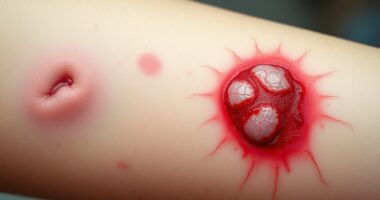
Piercing care requires a gentle approach. During the healing period, your skin is especially vulnerable, and your hands are often loaded with dirt and oils that can transfer onto the wound site. When you neglect this, even with clean hands, you increase the chance of infection or inflammation. This can lead to persistent redness, swelling, and even pus, which only prolongs discomfort and delays healing. The key is to resist the urge to play with your jewelry, as tempting as it might be, especially when your piercing feels itchy or tight.
Handle your piercing with care; clean gently and avoid touching to prevent infection and promote faster healing.
Furthermore, fiddling with your piercing can disturb the formation of the protective scab or crust that forms during the healing process. While it might look unsightly, these crusts serve a purpose—they protect the wound from external irritants and help the skin heal from within. Removing or picking at them can cause bleeding, open the wound, and introduce bacteria, all of which make your piercing angrier and slow down recovery. Using proper piercing techniques and following aftercare instructions can help prevent unnecessary complications. Additionally, understanding piercing healing stages can help you recognize which signs are normal and which require professional attention. Recognizing the importance of infection prevention is crucial to avoid setbacks during healing.
Maintaining a clean environment and understanding piercing aftercare are essential for optimal healing.
The best way to support your piercing’s healing process is to keep your hands away and focus on proper piercing care. Use a saline solution recommended by your piercer to gently cleanse the area twice daily. Avoid harsh chemicals, alcohol, or hydrogen peroxide, which can dry out or irritate the skin further. Also, steer clear of tight clothing or accessories that might rub against your piercing, as friction can inflame the area. Understanding the importance of proper healing practices can make a significant difference in recovery time.
Patience is crucial during this time. Remember, your body needs time to build a new, healthy skin barrier around the jewelry. By resisting the urge to fiddle and sticking to a consistent, gentle cleaning routine, you’ll minimize irritation and help your piercing heal faster. The fewer disturbances you introduce, the less likely you’ll keep it angry and inflamed for weeks. Ultimately, consistent, careful piercing care will get you to a healed, happy piercing in the shortest time possible.
Products Worth Considering
Withings Body Smart Wi-Fi and Bluetooth Smart Scale

Blueair Blue Pure 211i Max Air Purifier

Hyperice Hypervolt 3 Percussion Massage Gun with Heated Head and Premium Carry Case
As an affiliate, we earn on qualifying purchases.
Frequently Asked Questions
Can Certain Foods Delay Healing of New Piercings?
Yes, certain foods can delay healing of new piercings due to diet concerns and food interactions. Spicy, salty, or acidic foods might irritate your piercing, slowing down recovery. Alcohol and caffeine can also impair healing by dehydrating your body. To promote faster healing, focus on a balanced diet rich in vitamins C and E, and stay hydrated. Avoid foods that cause inflammation or irritation to prevent setbacks in your healing process.
How Does Stress Affect Piercing Healing?
Did you know that stress impacts healing by reducing healing hormones like cortisol, which can slow down your body’s repair process? When you’re stressed, your body diverts energy away from healing, making your piercing take longer to recover. The stress impact weakens your immune response, increasing the risk of infection and irritation. To promote faster healing, try to stay calm and manage stress effectively during your piercing’s recovery period.
Are There Specific Jewelry Types That Reduce Irritation?
Choosing the right jewelry materials and piercing accessories can considerably reduce irritation. Opt for hypoallergenic options like surgical steel, titanium, or niobium, which are less likely to cause allergic reactions. Avoid cheap or plated jewelry that may contain nickel or other irritants. By selecting high-quality, biocompatible jewelry, you minimize inflammation and promote quicker healing, making your piercing feel more comfortable and less prone to lasting irritation.
What Are Early Signs of Infection Versus Normal Healing?
Early signs of infection include increased redness, swelling, pain, warmth, and pus around your piercing, which go beyond normal healing timelines. Normal healing usually involves some tenderness and slight redness that gradually lessen over weeks. To prevent infection, keep your piercing clean, avoid touching it with dirty hands, and follow aftercare instructions. Recognizing these signs early helps you take swift action, ensuring proper infection prevention and smoother healing.
Can Using Certain Skincare Products Worsen Irritation?
Using certain skincare products can worsen irritation, especially if they contain alcohol, fragrances, or harsh chemicals. These can interfere with healing and cause discomfort. To promote proper piercing aftercare, stick to gentle, fragrance-free cleansers and avoid applying lotions directly on the piercing. Maintaining jewelry hygiene is essential—clean your jewelry regularly with suitable solutions. This prevents buildup and reduces irritation, helping your piercing heal smoothly and avoiding unnecessary setbacks.
Conclusion
If you keep touching or twisting your new piercing, it’s no surprise it stays irritated for weeks. Just like the time you accidentally knocked over that cup and spilled wine on your favorite shirt—you didn’t mean to, but the damage was done. The same goes for your piercing; a simple habit can prolong healing and cause unnecessary pain. Be mindful, and your piercing will thank you, just like that shirt finally dried after the stain was gone.