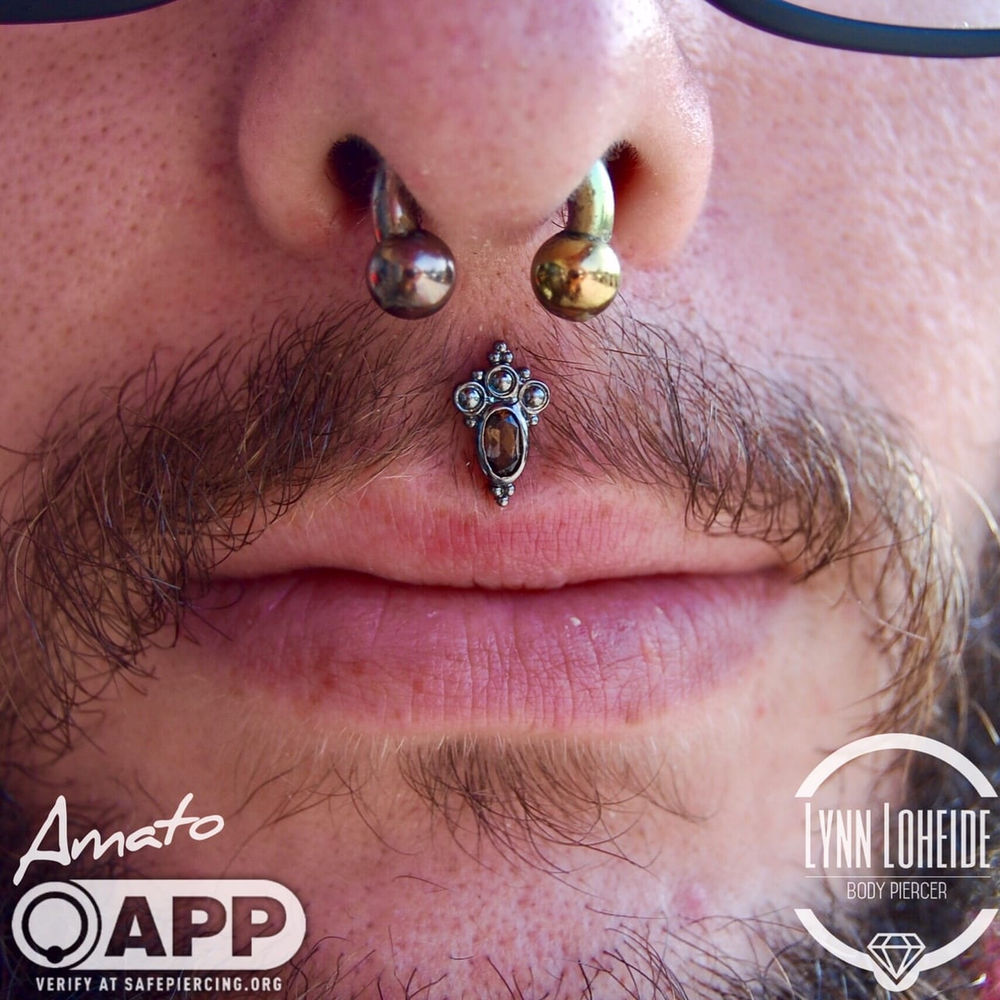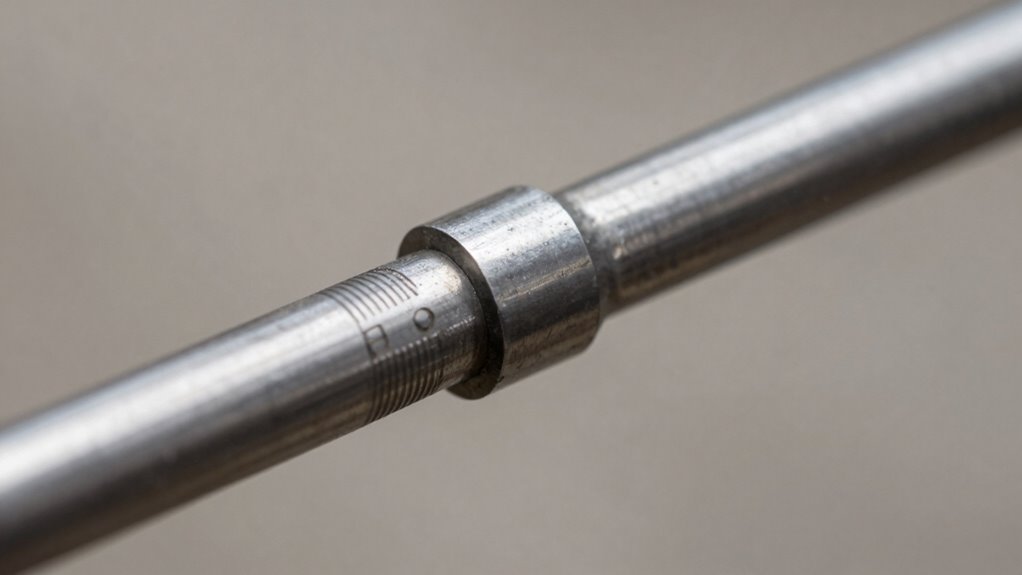

To understand gauge, diameter, and post length, remember that gauge measures jewelry thickness—lower numbers mean thicker pieces—and diameter is the width of rings or hoops. Post length is the distance from top to bottom of the jewelry, affecting comfort and healing. Choosing the right measurements guarantees your jewelry fits well and prevents irritation or damage. If you keep exploring, you’ll discover how to select the best options for safe and comfortable piercings.

Get beauty and skincare favorites delivered free with Prime
- Fast, free delivery on millions of items
- Prime Video, Amazon Music and more included
- Member-only deals all year
Key Takeaways
- Gauge indicates jewelry thickness; lower numbers mean thicker, while diameter measures the width of rings or hoops.
- Post length refers to the vertical measurement from the bottom to the top of the jewelry, affecting comfort and healing.
- Proper fit requires matching gauge to piercer recommendations and selecting post length suited to anatomy.
- Material choice (like titanium or surgical steel) impacts skin safety and compatibility.
- Accurate measurements ensure comfortable, secure jewelry that promotes proper healing.
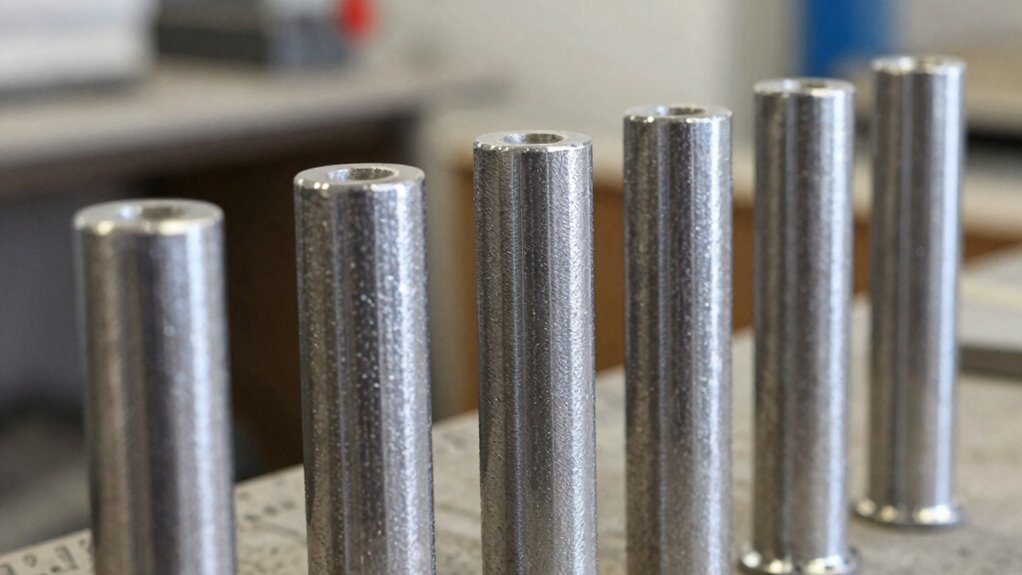
When choosing jewelry or body piercings, understanding the terms gauge, diameter, and post length can seem confusing at first. These measurements are essential because they influence comfort, healing, and the overall look of your jewelry. Gauge refers to the thickness of the piercing post or jewelry, with lower numbers indicating thicker pieces. Diameter measures the width of the jewelry itself, often relevant for rings or hoops. Post length is the distance from the bottom of a jewelry piece to the top, which affects how it sits in your piercing. Grasping these basics helps you select pieces that fit well and promote healing. Additionally, knowing how materials like titanium or surgical steel interact with your body can help prevent allergic reactions and irritation. Material compatibility is fundamental when selecting jewelry, especially to avoid allergic reactions or irritation. Some materials, like surgical steel, titanium, or niobium, are hypoallergenic and suitable for most skin types. If you have sensitive skin or allergies, steer clear of nickel or certain plated jewelry. Choosing the right material also impacts the longevity and safety of your piercing. For example, titanium is lightweight and strong, making it a popular choice for initial piercings. When considering installation tips, verify your jewelry’s gauge matches the piercer’s recommended size. An incorrect gauge can cause discomfort, slow healing, or even damage the piercing. Always consult your piercer about the appropriate gauge for your specific piercing location. Proper installation also depends on understanding material compatibility to ensure the jewelry is safe and suitable for your skin. Ensuring the correct fit of jewelry is crucial for both comfort and healing, as ill-fitting pieces can cause unnecessary irritation. Post length plays a critical role in comfort and healing. If the post is too short, it can press against your skin or cause pressure, leading to irritation. Conversely, a post that’s too long might move around excessively, increasing the risk of irritation or infection. Your piercer can advise on the ideal length based on your anatomy and the type of jewelry. Proper installation tips also include verifying that the jewelry is secure without being overly tight, which can restrict blood flow and delay healing. When inserting jewelry, make sure the material is clean, and the jewelry is smooth with no rough edges to prevent injury or irritation. Being aware of proper jewelry care can help maintain your piercing’s health and prevent complications. Additionally, understanding measurement accuracy can help you better communicate with your piercer and ensure the best fit for your piercing.
As an affiliate, we earn on qualifying purchases.
Frequently Asked Questions
How Do I Convert Gauge to Millimeters or Inches?
To convert gauge to millimeters or inches, you can use online conversion charts or calculators, as gauge sizes vary depending on the piercing jewelry compatibility and safety standards. For example, a 16-gauge is approximately 1.2 mm, while a 14-gauge is about 1.6 mm. Always double-check these conversions to guarantee the gauge size matches your piercing needs and maintains safety during jewelry selection.
What Materials Are Best for Different Gauge Sizes?
For different gauge sizes, choose materials based on material safety and gauge compatibility. Thicker gauges, like 14 or 12 gauge, work well with durable metals such as surgical steel or titanium, which are safe and strong. Thinner gauges, like 18 or 20 gauge, suit softer materials like silicone or acrylic, ideal for sensitive skin. Always consider material safety to prevent allergic reactions, and make sure the material matches your gauge for a comfortable fit.
How Does Post Length Affect Healing and Comfort?
Post length directly impacts your post healing and comfort considerations. A longer post guarantees better stability and reduces pressure on the healing tissue, promoting proper healing. However, excessively long posts can cause discomfort or interfere with daily activities. You should choose a length that balances healing needs with comfort, allowing enough protrusion for cleaning and maintenance without irritating your skin or causing pain during movement.
Can I Mix Different Gauge Sizes in One Piercing?
You can mix different gauge sizes in one piercing, but it’s not always recommended. Make certain proper sterilization techniques are followed to prevent infection, especially when changing jewelry. Be aware that varying gauges can affect the healing process; larger gauges may heal slower or cause additional irritation. Consult with your piercer about compatibility and healing considerations, and always prioritize sterilization to keep your piercing safe and healthy during the changeover.
How Do I Choose the Right Diameter for My Body Shape?
Did you know that choosing the right jewelry fit can boost comfort and style? To pick the right diameter for your body shape, consider your body’s natural curves and the area’s size. For a petite frame, smaller diameters work best, while larger body types may prefer thicker posts for better support. Measure your piercings carefully, and always opt for a diameter that complements your body shape to guarantee comfort and a flattering look.
Conclusion
Now that you’ve unraveled the mysteries of gauge, diameter, and post length, you’re almost ready to make your perfect choice. But here’s the twist—you might find that what works for one project could surprise you in another. Are you prepared to experiment and discover your ideal fit? Keep exploring, stay curious, and one thing’s for sure: the right combination is waiting just around the corner, ready to transform your vision into reality.
Columbus Day / Indigenous Peoples' Day Picks
long weekend sales
As an affiliate, we earn on qualifying purchases.