Understanding jewelry gauge sizes and lengths is key to keeping your piercings healthy and comfortable. The gauge measures how thick your jewelry is, so choosing the right size helps prevent irritation or damage during healing. Length ensures your jewelry isn’t too tight or loose, which can cause discomfort or snagging. Knowing how to select appropriate gauge and length can help you avoid complications and enjoy your jewelry safely. Keep exploring to learn more about making the best choices for your piercings.
Key Takeaways
- Jewelry gauge size indicates the thickness of the jewelry, affecting piercing health and healing.
- Proper length ensures comfort, accommodates swelling, and prevents snagging or pressure on the piercing.
- Common gauge sizes range from very thin (30g) to thick (0g), with specific uses for different piercings.
- Material choices like titanium or surgical steel reduce allergy risks and enhance durability.
- Correctly matching gauge and length minimizes discomfort, supports healing, and prevents complications.
When choosing jewelry, understanding gauge sizes and lengths is essential to guarantee a comfortable and perfect fit. One of the most important factors to consider is piercing safety. Wearing jewelry that matches your piercing’s gauge size ensures that the hole remains healthy and reduces the risk of irritation or injury. If the jewelry is too thick or too thin, it can cause unnecessary stress on your piercing, leading to discomfort, scarring, or delayed healing. That’s why knowing your piercing’s specific gauge size is crucial before selecting new jewelry. It helps prevent complications and supports proper healing, especially if you’re switching jewelry or trying a new piercing.
Another key aspect to keep in mind is jewelry material options. The material you choose not only affects appearance but also impacts safety and comfort. For sensitive skin or new piercings, hypoallergenic options such as surgical stainless steel, titanium, or niobium are recommended. These materials are less likely to cause allergic reactions or irritations. Avoid cheap or unverified jewelry made from low-quality metals, as they can contain nickel or other allergens that compromise your piercing’s health. When you understand the different jewelry material options, you can make informed decisions that prioritize piercing safety and longevity.
When it comes to lengths, the right measurement guarantees your jewelry isn’t too tight or loose. For body piercings like earrings, nose rings, or septum jewelry, the length should accommodate swelling or movement without causing pressure or pinching. Oversized jewelry can look sloppy and may snag easily, risking tearing or damage. Conversely, jewelry that’s too short can cause discomfort or even restrict blood flow. For stretched piercings, knowing standard sizes and custom measurements ensures a comfortable fit that doesn’t hinder healing or cause unnecessary pain. Measuring accurately and understanding length options help you avoid irritation and promote healthy healing.
In addition to gauge size and length, consider how jewelry material options influence overall safety and comfort. Some materials are more durable, lightweight, and biocompatible, making them ideal for everyday wear and ongoing jewelry changes. Whether you’re selecting a starter piece or replacing jewelry after healing, understanding these factors helps you make choices that support piercing safety, minimize allergic reactions, and ensure your jewelry looks great while being comfortable. Ultimately, being informed about gauge sizes, lengths, and jewelry material options empowers you to choose pieces that enhance your style without compromising health or comfort.
Frequently Asked Questions
How Do I Measure My Wrist for a Perfect Fit?
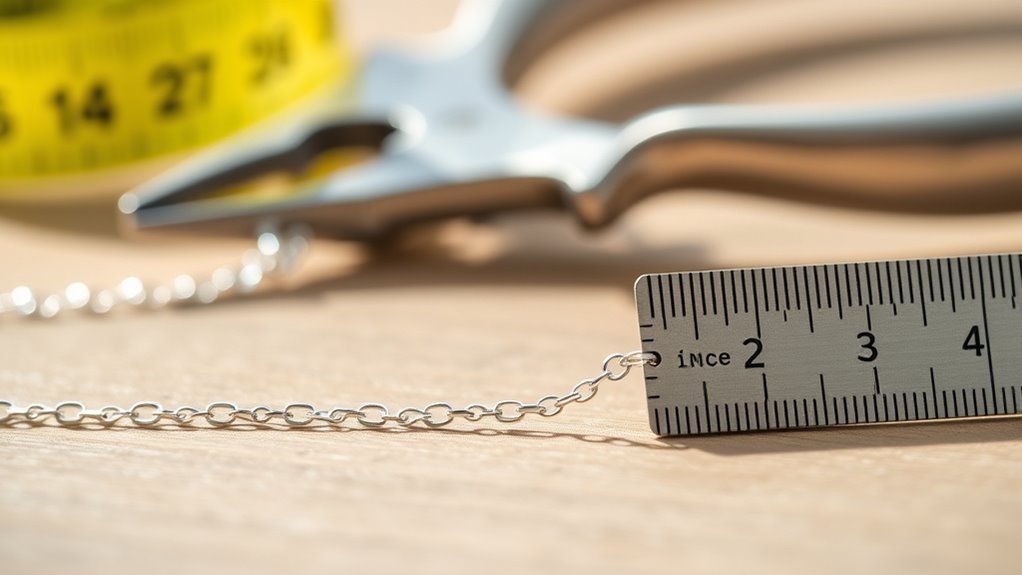
To measure your wrist for fitting jewelry, start by wrapping a flexible measuring tape around the narrowest part of your wrist. Keep it snug but not tight. Note the measurement in inches or centimeters. If you don’t have a measuring tape, you can use a piece of string, then measure it with a ruler. This wrist measurement guarantees your jewelry fits comfortably and looks perfect.
Are Gauge Sizes the Same Worldwide or Do They Vary?
Think of gauge sizes like musical notes—while some standards exist, they can differ across countries, creating a global symphony that’s not always in tune. International standards aim for consistency, but material compatibility and regional practices can cause variation. So, when shopping worldwide, check specific sizing guides or consult with jewelers to guarantee your jewelry fits perfectly, avoiding surprises and ensuring harmony in your accessories.
Can I Convert Between Millimeters and Gauge Sizes Easily?
Yes, you can easily convert between millimeters and gauge sizes using a conversion chart or measurement tools. A conversion chart provides quick references, so you know the exact millimeter measurement for any gauge size. You can also use measurement tools like a caliper to measure jewelry thickness directly in millimeters. These methods help guarantee you select the right size, whether you’re shopping or customizing jewelry.
How Does Jewelry Gauge Affect Comfort and Durability?
Imagine wearing a tiny, fragile wire, thinking it’s durable—jewelry gauge size affects comfort and durability. Thicker gauges, with their metal strength, resist bending and breakage, making them more durable. But if your skin is sensitive, a thicker gauge might feel stiff or cause irritation, reducing comfort. Conversely, thinner gauges are comfy but less sturdy. Balancing gauge size is key to finding jewelry that’s both comfortable and long-lasting.
What Materials Are Best Suited for Different Gauge Sizes?
For smaller gauge sizes, like 20-24 gauge, softer materials such as surgical steel or silicone work best due to their material compatibility and flexibility. Thicker gauges, like 14-16 gauge, require stronger materials like titanium or thicker stainless steel to guarantee gauge strength and durability. Always consider your skin sensitivity and jewelry purpose, matching the material to the gauge size for comfort and longevity, and avoid softer metals for larger gauges to prevent bending or damage.
Conclusion
Now that you understand jewelry gauge sizes and lengths, you can picture your perfect piece taking shape. Imagine threading a delicate chain or slipping into a sparkling ring, each size fitting just right like a puzzle piece. With this knowledge, choosing jewelry becomes an adventure—like exploring a treasure chest filled with shining possibilities. So, go ahead, pick your favorite styles and let your personal sparkle shine through with confidence and clarity.