Getting your vaccinations up-to-date, especially your tetanus shot, is essential before getting pierced. A current tetanus vaccination helps protect you from infections if the skin is punctured. If your vaccination is outdated, you may face a higher risk of infection and should consult your healthcare provider beforehand. Ensuring proper sterilization at the studio and following aftercare instructions also matter. To discover more about how vaccinations impact piercing safety, keep exploring these important facts.
Key Takeaways
- Being up-to-date on tetanus vaccines reduces infection risk from piercing-related wounds.
- Lack of tetanus vaccination increases susceptibility to infections after piercings.
- Confirm your vaccination status before piercing to ensure safer healing.
- Proper aftercare minimizes infection risk, especially for unvaccinated individuals.
- Consult your healthcare provider about vaccinations if you’re planning to get pierced.
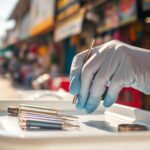
Getting a piercing might seem like a simple way to express yourself, but it’s important to contemplate how vaccinations can impact the process and your health. Before you get pierced, consider the sterilization procedures used by your piercing professional. Sterilization is essential to prevent infections and guarantee that all tools, needles, and jewelry are free from bacteria or viruses. Reputable piercing studios follow strict sterilization protocols, including autoclaving equipment and using single-use, disposable needles. This minimizes the risk of transmitting infections, especially if you’re vaccinated against certain diseases. Confirm that your piercer adheres to high hygiene standards; don’t hesitate to ask about their sterilization procedures, as it’s a fundamental step in protecting your health.
Your vaccination history can influence your piercing experience. For example, if you’re not vaccinated against tetanus, you might be at higher risk for infection if a wound becomes contaminated. It’s recommended to be up-to-date on your tetanus shot before getting pierced, especially if the jewelry involves puncturing deep into the skin. This preventative measure ensures your body’s defenses are ready to combat potential bacteria introduced during the piercing process.
Being up-to-date on your tetanus shot helps prevent infections during piercings.
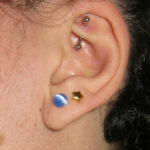
Once you’ve gotten pierced, proper aftercare tips become indispensable for healing and avoiding complications. Start by keeping the area clean; gently wash the piercing with saline solution twice daily to remove dirt and excess oils. Avoid touching the piercing with unwashed hands, as this can introduce bacteria. During the healing process, steer clear of harsh chemicals like alcohol or hydrogen peroxide, which can irritate the skin and delay healing. It’s also wise to avoid swimming in pools, hot tubs, or natural bodies of water, as these can harbor bacteria that might infect your new piercing.
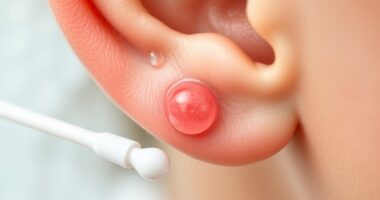
Additionally, be mindful of your jewelry. Ensure it’s made from hypoallergenic materials like surgical steel, titanium, or niobium to reduce the risk of allergic reactions. Follow your piercer’s specific aftercare tips, which often include not changing the jewelry prematurely and avoiding tight or restrictive clothing around the piercing site. Pay close attention to signs of infection, such as excessive redness, swelling, pain, or discharge. If you notice any of these symptoms, seek medical advice promptly to prevent more serious issues.
Ultimately, understanding how vaccinations and sterilization procedures influence your piercing experience helps you make safer choices. Proper aftercare tips not only protect your health but also ensure your new piercing heals beautifully. By staying informed and diligent, you can confidently enjoy your self-expression while maintaining excellent health.
Frequently Asked Questions
Can Vaccinations Affect Healing Time for Piercings?
Vaccinations can temporarily affect your immune response, which might slow down the healing process for piercings. When your immune system is busy building immunity, it may not focus fully on healing your piercing, leading to longer recovery times or increased risk of infection. To guarantee proper healing, it’s best to wait a few days after vaccination before getting a new piercing, allowing your immune response to settle.
Are Certain Vaccines Contraindicated Before Getting a Piercing?
Think of vaccines as keys to your health lock; some might not open the door to a smooth piercing experience. Certain vaccines, especially live attenuated ones, can weaken your immune system temporarily, increasing the risk of piercing complications. It’s best to plan your vaccine timing carefully—ideally, get any necessary vaccines well before your piercing appointment. Always consult your healthcare provider to avoid any interference or adverse reactions.
How Long Should I Wait After Vaccination Before Piercing?
You should wait at least two weeks after receiving a vaccine before getting a piercing to make certain vaccine timing and piercing safety. This waiting period helps your immune system recover and reduces the risk of infection or complications. If you’re unsure, consult your healthcare provider for personalized advice. Prioritizing this gap can help you enjoy your piercing safely and avoid unnecessary health issues.
Do Piercings Increase the Risk of Vaccine-Related Infections?
Piercings can slightly increase your risk of piercing infections, but they don’t necessarily elevate vaccine interactions. Studies show about 3-5% of piercings develop infections, mainly if proper care isn’t followed. While there’s no direct link between piercings and vaccine-related infections, it’s wise to wait at least two weeks after a vaccination before getting pierced. This helps prevent potential complications and ensures your immune system isn’t overwhelmed.
Is It Safe to Get Vaccinated Immediately After a Piercing?
It’s best to wait at least a few days after getting a piercing before getting vaccinated to guarantee piercing safety. Your body needs time to heal, reducing infection risk. Proper vaccination timing helps your immune system respond effectively without stressing the healing piercing. Always consult your healthcare provider for personalized advice, but generally, postponing vaccination until your piercing is healed helps protect both your piercing and your health.
Conclusion
So, next time you’re contemplating that trendy piercing, remember it’s not just about the look—your immune system’s also on the line. Skipping vaccinations or rushing into piercings without proper care? That’s a surefire way to turn your Instagram glow-up into a hospital visit. Stay smart, stay safe, and maybe, just maybe, give your body the protection it deserves before making that bold statement. After all, beauty shouldn’t come with a side of tetanus.