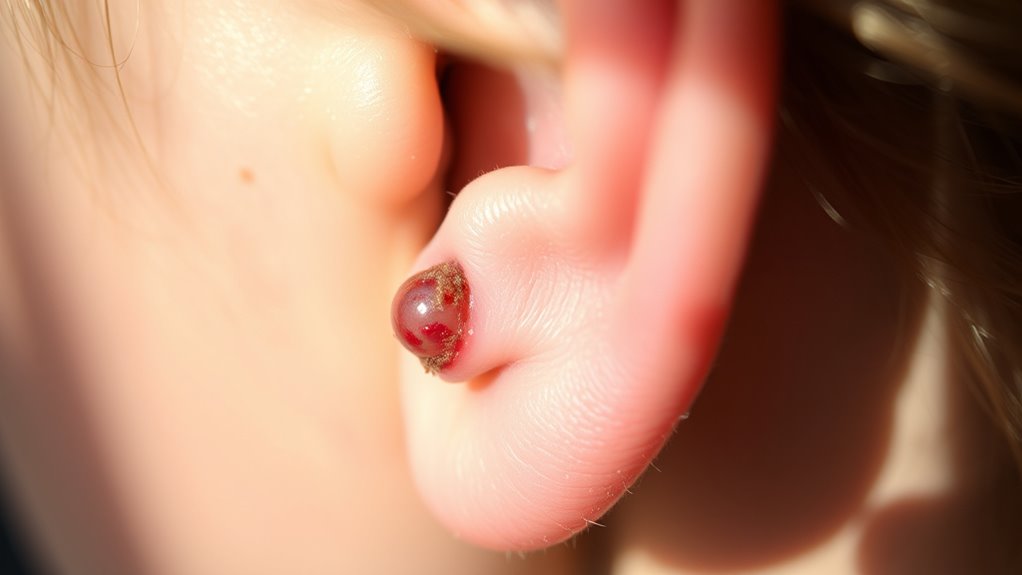
You should remove your piercing immediately if you notice signs of infection, like redness, swelling, pain, pus, or a foul smell. Allergic reactions, such as intense itching, rash, or blistering, also warrant quick removal to prevent worsening symptoms and tissue damage. Continuing to wear jewelry despite these issues can lead to complications. Knowing when to act quickly can protect your health—if you’re interested, there’s more to contemplate for safe management.
Key Takeaways
- Remove the piercing immediately if signs of infection like pus, foul odor, or spreading redness appear.
- Discontinue wearing jewelry if you experience intense itching, swelling, rash, or blistering indicating an allergic reaction.
- Seek prompt medical attention if infection symptoms worsen or do not improve after cleaning.
- Use sterilized tools and antiseptic cleaning to minimize tissue damage and prevent complications during jewelry removal.
- Replace with hypoallergenic jewelry once healed to prevent future allergic reactions and skin issues.
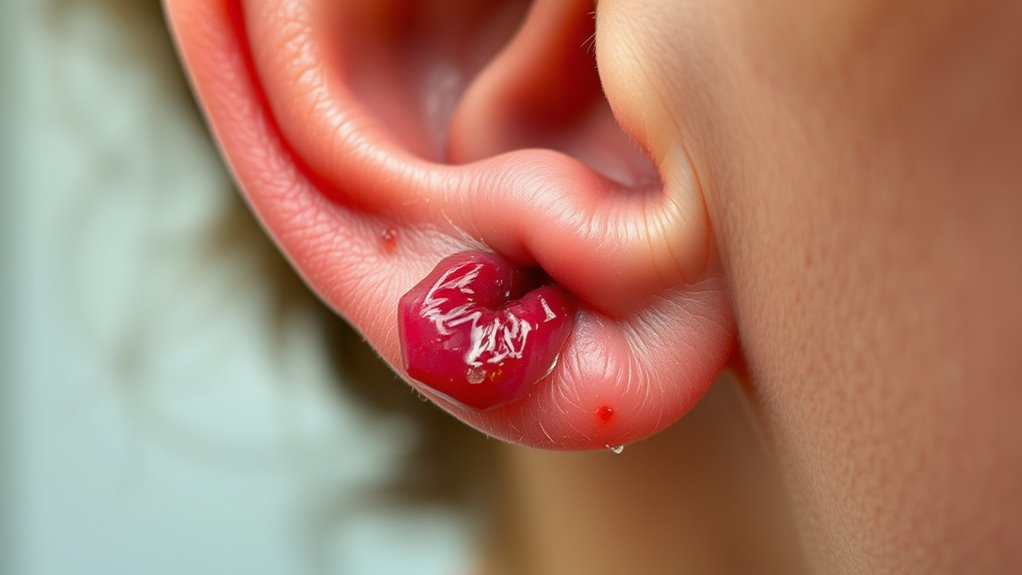
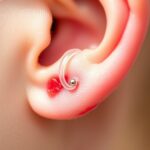
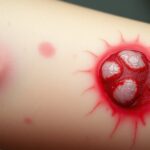
Piercings can be a stylish way to express yourself, but sometimes health issues require you to remove them promptly. One of the most urgent reasons to take out a piercing is if you notice signs of infection. An infected piercing often appears red, swollen, and painful, and it might ooze pus or have a foul smell. If you see these symptoms, delaying removal can worsen the infection, possibly leading to more serious complications like abscesses or systemic infections. It’s crucial to act quickly—remove the jewelry carefully, clean the area with antiseptic, and seek medical attention if the infection doesn’t improve or if you develop fever, chills, or spreading redness. Ignoring infection signs can compromise your health, so don’t hesitate to remove the piercing if infection risk becomes evident.
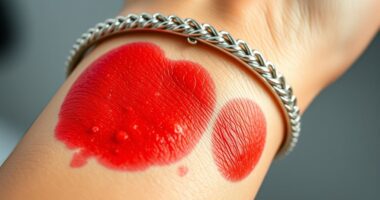
Another critical health concern is allergic reactions. Some people develop allergic responses to the metals used in piercings, especially nickel, which is common in many jewelry pieces. Allergic reactions can manifest as intense itching, swelling, rash, or blistering around the pierced area. In severe cases, the skin may break down, increasing the risk of secondary infection. If you start experiencing these symptoms, it’s wise to remove the jewelry immediately. Continuing to wear a metal you’re allergic to only worsens the reaction and prolongs discomfort. After removing the piercing, clean the area gently with saline solution, and if symptoms persist or worsen, consult a healthcare professional for appropriate treatment. Sometimes, switching to hypoallergenic jewelry, like surgical steel or titanium, can prevent future allergic reactions, but in the meantime, removal is the best course of action to protect your skin and overall health.
In both scenarios, removing the piercing promptly helps prevent further complications. An infected or allergic reaction site can quickly become more severe if left untreated. Be attentive to your body’s signals—pain, redness, swelling, or rash—and don’t ignore persistent or worsening symptoms. Removing the jewelry at the first sign of trouble reduces the risk of spreading infection or aggravating allergic responses. Remember to use sterilized tools and clean the area thoroughly when removing the piercing to minimize contamination. If you’re unsure about how to handle a problematic piercing or if symptoms escalate, visiting a healthcare professional is always the safest choice. Your health should come first, and timely removal of a piercing can save you from more serious health issues down the line. Proper infection management and prompt action are essential in these situations.
Frequently Asked Questions
Can Infections From Piercings Spread to Other Parts of the Body?
Yes, infections from piercings can spread infection to other parts of your body, especially if left untreated. If bacteria enter your bloodstream, it can lead to systemic illness, which affects your entire body. You should watch for symptoms like fever, chills, or spreading redness. If you notice these signs, seek medical attention promptly to prevent the infection from spreading further and causing serious health issues.
How Long Does It Typically Take for a Piercing to Heal Completely?
You might notice a tiny scar forming around your piercing after about six weeks, but full healing typically takes 6 months to a year depending on the piercing type. During this healing timeline, your body works hard to repair tissue, so patience is crucial. Proper aftercare helps prevent complications and ensures your piercing heals smoothly, reducing the risk of unwanted scarring and ensuring you’re happy with the final look.
Are There Specific Signs of Allergic Reactions to Piercing Jewelry?
If you notice allergic symptoms like redness, itching, swelling, or rash around your piercing, it’s a sign of jewelry sensitivity. These reactions often occur with certain metals like nickel. You should remove the jewelry promptly and switch to hypoallergenic options, such as surgical steel or titanium. Ignoring allergic symptoms can lead to infections or further irritation, so always listen to your body and seek medical advice if symptoms persist.
What Are the Risks of Removing a Piercing Too Early?
Removing a piercing too early can lead to piercing complications like scarring, improper healing, or infection. When you rush jewelry removal, you risk disrupting the tissue and prolonging healing, which may cause more pain or permanent damage. It’s best to follow your piercer’s advice and wait until the piercing is fully healed before considering jewelry removal. If you notice signs of complications, consult a professional rather than removing jewelry prematurely.
Can Piercing-Related Health Issues Be Prevented With Proper Aftercare?
Yes, you can prevent piercing-related health issues with proper aftercare. Focus on piercing hygiene by cleaning the area regularly and avoiding touching it with dirty hands. Use jewelry materials like surgical steel or titanium to reduce allergic reactions. Keep the area dry and avoid irritants. Following these steps helps minimize infection risks and promotes faster healing, ensuring your piercing remains healthy and safe during recovery.
Conclusion
Think of your piercing as a delicate garden. When signs of illness like persistent redness, swelling, or pain appear, it’s time to tend to it carefully—removing the piercing is like uprooting a dying plant before it spreads. Ignoring these signs risks infecting your entire garden. Trust your instincts and act promptly. Removing a problematic piercing restores your health’s harmony, allowing your body to heal and flourish again—just like nurturing a garden back to life.