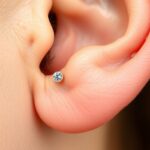
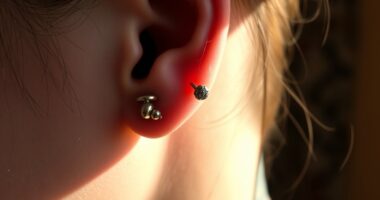
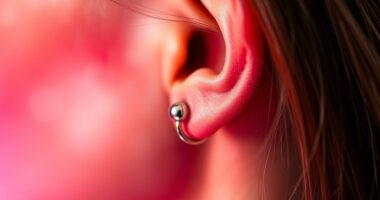
Piercing choices influenced by anatomy ensure safety and long-term satisfaction—discover why understanding your body’s design is essential before following trends.
Your body’s natural anatomy is essential when choosing where to pierce. Knowing about nerves, blood vessels, and cartilage helps avoid unnecessary pain, complications, and long-term scarring. Ignoring these details can lead to misalignment or tissue damage, especially if you follow trends blindly. Respecting your body’s design guarantees safer, more comfortable healing and a better overall look. Stay with us to discover why understanding anatomy makes all the difference in your piercing journey.
Key Takeaways
Anatomical knowledge ensures safe placement, reducing risks of nerve, blood vessel, or tissue damage.
Respecting natural anatomy promotes proper healing and minimizes scar formation.
Understanding individual variations allows for personalized, safer piercing choices over fleeting trends.
Skilled piercers with anatomical expertise can prevent misalignment and long-term complications.
Prioritizing anatomy over trends guarantees a comfortable, aesthetically pleasing, and lasting piercing.
Have you ever wondered how understanding anatomy can improve your piercing experience? When you know how your body’s structures work, you’re better equipped to make informed decisions about where and how to get pierced. It’s not just about following trends; it’s about respecting your body’s unique design. For example, knowing where nerves, blood vessels, and cartilage are located can help you avoid unnecessary pain or complications. Understanding anatomy also plays an essential role in the healing process. When you’re aware of how tissue responds to a piercing, you can take better care of it, reducing the risk of scar tissue formation or infections that might hinder healing. Scar tissue, in particular, can greatly affect the appearance and comfort of your piercing over time. If you don’t consider your body’s natural structure, you might end up with more noticeable scars or prolonged healing times.
Getting a piercing without understanding the underlying anatomy can lead to issues like misalignment or damage to sensitive areas. For instance, piercing through cartilage instead of flesh demands different aftercare and healing expectations. Cartilage piercings tend to be more prone to forming scar tissue, which can result in keloids or thickened, raised scars if not managed properly. Knowing how your tissue heals—the phases of the healing process—allows you to be proactive. You’ll recognize signs of abnormal healing, such as excessive swelling or persistent discomfort, and seek help sooner. This knowledge helps you avoid complications that might otherwise lead to more scars or longer recovery periods. Additionally, understanding your body’s biodiversity can help you identify the best locations for piercings that align with your natural anatomy, reducing unnecessary trauma. Recognizing anatomical variations can further tailor your piercing choices to your individual body structure. Moreover, being familiar with common pain points related to specific piercings can inform your decision-making process and improve your overall experience.
A deeper understanding of anatomical structures also enables piercers to perform safer and more precise placements, which is crucial for optimal healing and appearance. Choosing a piercer who understands anatomy isn’t just about safety; it’s also about guaranteeing your piercing looks and feels its best long-term. When your piercer understands the intricacies of anatomy, they can select the best placement, minimizing trauma and ensuring proper healing. They can also advise you on how to care for your piercing during each stage of the healing process, helping to prevent the formation of scar tissue and other issues. It’s tempting to follow trends, but ultimately, respecting your body’s unique structure guarantees your piercing experience is safe, comfortable, and satisfying. Knowing your anatomy not only helps you avoid unnecessary pain but also guarantees your piercing heals cleanly, with minimal scarring and complications. Trusting in your body’s design and working with a knowledgeable piercer creates a foundation for a successful, beautiful piercing that you’ll be happy with for years to come.
Anzero Ear Piercing Kit Disposable Ear Cartilage Piercing Gun Kit with Sterile CZ Studs, Painless Piercing Gun for Home Self-Use, Easy & Safe Piercing for Women, Men & Girls – 5MM
How Can I Tell if My Anatomy Is Suitable for a Specific Piercing?
You can tell if your anatomy suits a certain piercing by consulting a professional piercer who assesses your unique features. They’ll evaluate your anatomy to recommend appropriate piercing styles and jewelry choices, ensuring both safety and aesthetics. It’s important to avoid DIY attempts, as improper piercing can cause complications. Trusting an expert helps you find the best fit for your anatomy, highlighting the significance of personalized advice over trendy styles.
Are There Permanent Changes to My Anatomy After Piercing?
About 20% of piercings result in some permanent change to your anatomy. Piercing styles and jewelry materials can influence this, as certain placements may cause tissue stretching or scarring. While most piercings heal without lasting effects, some, like cartilage or navel piercings, might lead to minor, permanent alterations. Always consult a professional piercer to understand how your anatomy could change and choose jewelry materials that support healthy healing.
What Anatomical Differences Affect Healing Times for Piercings?
Your healing time for piercings is influenced by anatomical differences like muscle flexibility and bone density. If you have flexible muscles around the piercing site, it can reduce tension and promote faster healing. Higher bone density might slow healing, especially in cartilage piercings, because it takes longer for tissues to recover. Understanding these differences helps you care for your piercings properly and set realistic healing expectations.
Can Anatomical Variations Cause Complications With Certain Piercings?
Did you know that up to 25% of people experience complications due to anatomical variations? These differences can definitely cause issues with piercing safety, making some locations less compatible than others. If your anatomy isn’t suitable for a particular piercing, you may face prolonged healing, migration, or rejection. That’s why understanding anatomical compatibility is essential before getting pierced, ensuring you choose styles that suit your unique body and minimize risks.
How Do I Find a Professional Who Understands My Unique Anatomy?
To find a professional who understands your unique anatomy, start by researching experienced piercers with specialized training in various piercing styles. Look for reviews and ask questions about their knowledge of anatomy and jewelry choices. Schedule a consultation to discuss your specific anatomy, ensuring they recommend suitable piercing styles and jewelry. A knowledgeable piercer will prioritize your safety, recommend appropriate jewelry, and tailor the piercing to your individual anatomy.
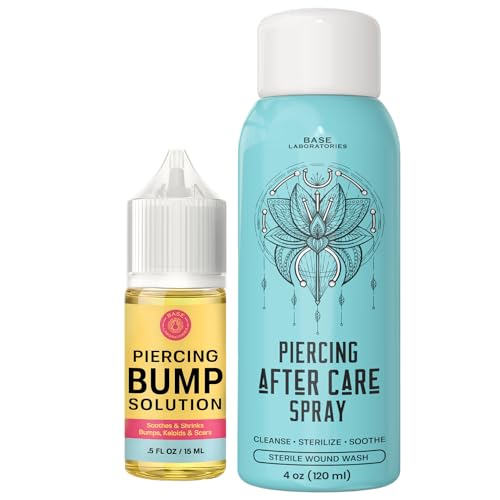
BASE LABORATORIES Piercing Aftercare Kit: Keloid & Piercing Bump Solution Oil(15ml) + Piercing Aftercare Spray (4oz) – for Keloid Bump Removal & Cleansing Soothing Piercings Before & After
🌸 2-PIECE PIERCING AFTERCARE SPRAY BUNDLE – Base Labs created this piercing cleaner aftercare spray + piercing bump…
As an affiliate, we earn on qualifying purchases.
As an affiliate, we earn on qualifying purchases.
Conclusion
So, next time you chase after the latest piercing trend, remember: ignoring your anatomy might make you look fashionable, but it won’t keep your piercing safe or comfortable. Irony has a way of sneaking in—what’s trendy today could become a painful regret tomorrow. Ultimately, it’s your anatomy that truly determines what works. So, maybe it’s time to stop chasing fleeting trends and start respecting your body’s unique blueprint. After all, style shouldn’t come at the expense of safety.
Topbuti Sexy Body Chain Bra Bikini Waist Belly Body Chains Beach Body Necklace Jewelry for Women (Gold-B)
Sexy Body Chain Material: The bra belly chain is made of rhinestone and metal, durable and shiny, charming…
As an affiliate, we earn on qualifying purchases.
As an affiliate, we earn on qualifying purchases.
The Piercing Bible, Revised and Expanded: The Definitive Guide to Safe Piercing
Diving into helix piercing myths reveals surprising truths backed by science, ensuring you make informed decisions—discover what you really need to know before getting pierced.
Fascinating psychological and sociological reasons drive people to pierce themselves, revealing how body modifications shape identity and societal connections.