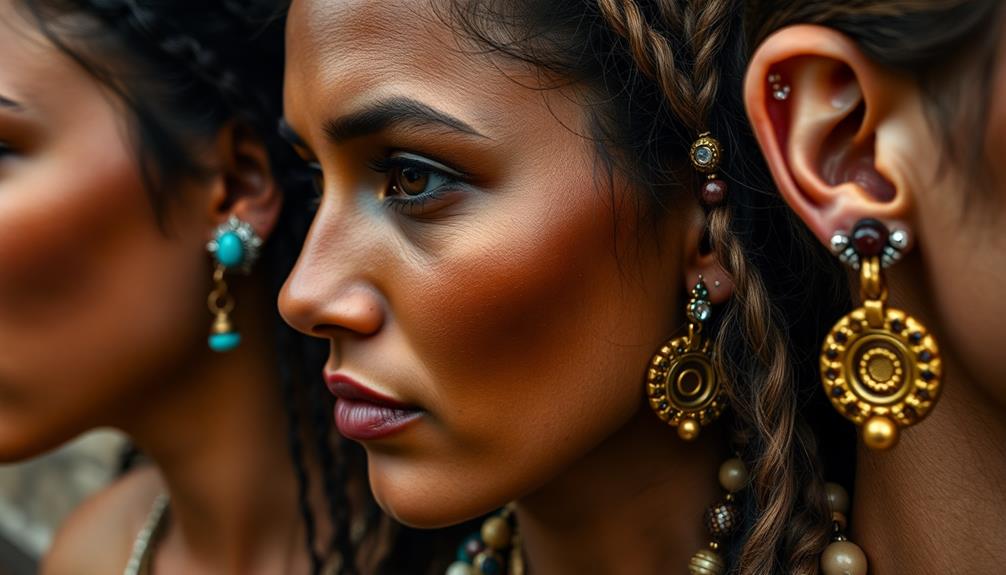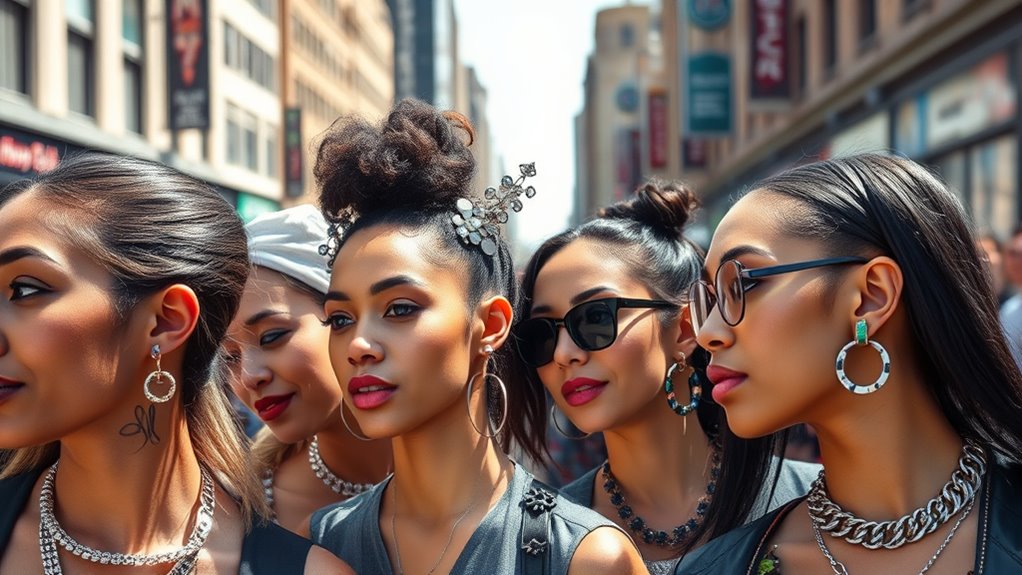

Piercing shifted from ancient symbols of status and tribal identity to a mainstream fashion trend through the influence of punk and rock movements in the 20th century. Celebrities and pop culture embraced body modifications, popularizing piercings across diverse demographics. Advances in safety and design made it easier and safer to get pierced. Today, piercings are integral to personal style and self-expression, blending history with modern fashion—if you’re curious, there’s more to uncover about this transformation.

Get beauty and skincare favorites delivered free with Prime
- Fast, free delivery on millions of items
- Prime Video, Amazon Music and more included
- Member-only deals all year
Key Takeaways
- Ancient civilizations used piercings as symbols of status, rites of passage, and spiritual beliefs, embedding cultural significance.
- 20th-century punk and rock movements embraced piercings as acts of rebellion, influencing mainstream acceptance.
- Celebrities and popular culture in the 1980s and 1990s showcased piercings, reducing social stigmas.
- Advances in safety technology and accessible procedures made piercing safer and more appealing to the general public.
- Modern fashion trends and body positivity movements have integrated piercings as mainstream forms of personal expression.
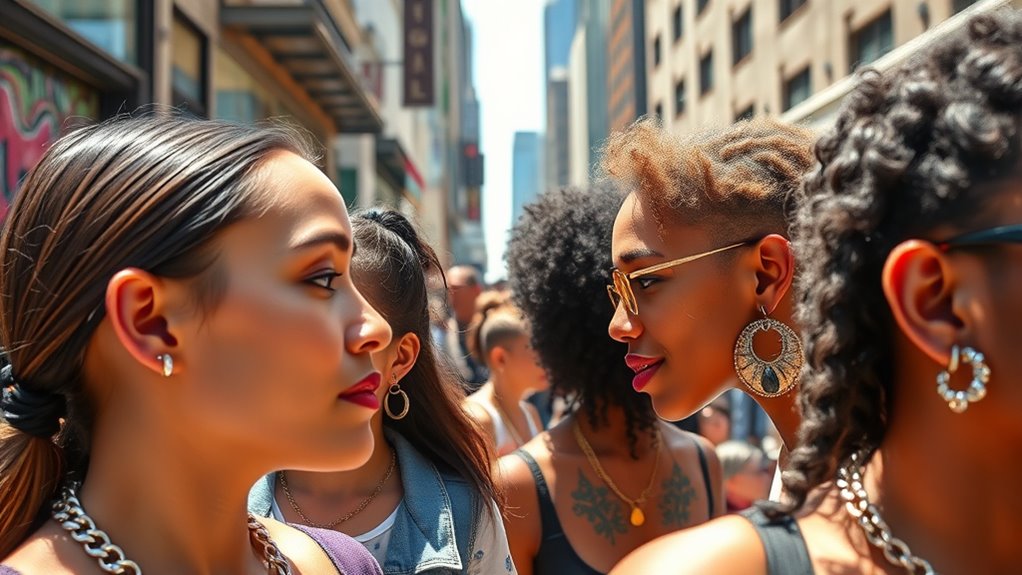
Piercing has become a widespread form of self-expression in Western culture, transcending traditional boundaries to reflect individuality and style. Its roots run deep, with historical symbolism playing a key role in how societies have viewed body modifications over centuries. In ancient civilizations, piercing often symbolized status, rites of passage, or spiritual beliefs. For example, in some cultures, ear piercings signified social rank or tribal identity. Over time, these symbols shifted from purely cultural markers to personal statements, especially as Western societies began to adopt and adapt these practices.
As fashion trends evolved, piercing changed from being linked solely to cultural or spiritual significance to becoming a mainstream fashion statement. The 20th century marked a turning point; punk and rock movements embraced body modifications, making piercings a symbol of rebellion and individuality. Celebrities and musicians popularized these trends, helping to break down previous stigmas. By the 1980s and 1990s, piercing gained visibility in popular culture, with jewelry shops and clinics opening up across cities and suburbs alike. It was no longer confined to subcultures but became a way for people to showcase their personal style.
You might notice that today’s piercing culture is influenced heavily by fashion trends. Jewelry styles range from minimalist studs to elaborate rings, and placement options have expanded well beyond traditional ears and noses. Fashion designers and influencers regularly feature piercings in their collections and photoshoots, making it clear that body modifications are now an integral part of contemporary style. Piercings are often paired with other accessories or makeup to create bold, personalized looks. This fusion of fashion and self-expression means you can experiment freely, whether you’re attending events, photoshoots, or just going about your day.
The mainstream acceptance of piercing also owes much to advancements in safety and technology. Modern piercing techniques reduce pain and healing time, encouraging more people to consider it. As body positivity movements grew, so did the idea that body modifications, like piercings, are valid ways to celebrate individual identity. Additionally, innovations in piercing technology have made procedures safer and more accessible to a wider audience. Today, piercing has become a versatile form of artistic expression, blending historical symbolism with ever-changing fashion trends. It’s no longer just a rebellious act but a statement of confidence, creativity, and personal style that anyone can explore and embrace.
As an affiliate, we earn on qualifying purchases.
Frequently Asked Questions
How Did Piercings Influence Fashion Trends Over the Decades?
Piercings have considerably influenced fashion trends over the decades by shaping alternative fashion styles you see today. You often notice celebrities sporting unique piercings, which inspire fans and designers alike. These trends push boundaries, encouraging self-expression and individuality. As a result, piercings become more than accessories—they transform into statements that challenge conventional beauty standards, making them a staple in evolving fashion movements across different eras.
What Are the Health Risks Associated With Piercing?
You should be aware that piercing carries health risks like infections and allergic reactions. If not done properly, piercing infections can develop, causing redness, swelling, and pain, sometimes leading to more serious issues. Allergic reactions, especially to certain metals like nickel, can cause itching and rash. To reduce these risks, make sure your piercings are performed by a professional using sterile equipment and follow proper aftercare instructions diligently.
How Do Cultural Perceptions of Piercings Vary Globally?
Cultural perceptions of piercings differ dramatically worldwide. You’ll find that in some societies, piercings symbolize spiritual strength or social status, reflecting deep-rooted cultural symbolism and religious significance. Conversely, others view piercings as purely personal expressions or fashion statements. These varying views influence acceptance, regulation, and rituals, shaping how cultures celebrate or scrutinize body modifications. Understanding these diverse perspectives helps you appreciate piercings’ cultural complexity and significance.
What Role Does Social Media Play in Popularizing Piercings?
Social media markedly boosts the popularity of piercings through digital influence and influencer culture. When you see your favorite influencers flaunting unique piercings, it inspires you to try it yourself. Platforms like Instagram and TikTok showcase diverse styles, making piercings more accessible and trendy. This constant exposure normalizes piercings, encouraging more people to explore body art, and helps mainstream piercings as a form of self-expression.
Are There Differences in Piercing Acceptance Across Age Groups?
You might think everyone’s on board with piercings, but generational attitudes tell a different story. Older adults often view piercings through a lens of skepticism, influenced by peer influence and traditional norms. Meanwhile, younger generations embrace them as a form of self-expression. Ironically, what’s considered rebellious in one age group is mainstream for another, showing how peer influence shapes acceptance across generations in fascinating ways.
Conclusion
As you embrace piercing, you’re not just decorating your body; you’re wielding a symbol of rebellion, identity, and self-expression. Like a key opening hidden depths, each piercing reveals a part of your story, challenging norms and carving your unique path. In this journey, your body becomes a canvas, and jewelry transforms into a badge of individuality. So, wear your piercings proudly—they’re more than adornments—they’re your personal symbols of freedom.
Halloween Picks
halloween
As an affiliate, we earn on qualifying purchases.