During pregnancy, it’s safest to avoid new piercings or removing existing ones unless advised by your healthcare provider. Hormonal changes weaken your immune system, making infections more likely and healing slower. Sensitive skin and swelling can cause irritation or rejection of jewelry. To minimize risks, prioritize proper hygiene and follow your piercer’s aftercare guidelines. Continuing to explore this topic will help you make informed decisions to keep both you and your baby safe.
Key Takeaways
- Consider delaying new piercings until after pregnancy to reduce infection and healing complications.
- Hormonal changes increase skin sensitivity, prolonging healing and raising rejection risks during pregnancy.
- Maintain strict hygiene and follow aftercare instructions to prevent infections at existing piercings.
- Avoid piercing areas prone to stretching or swelling, such as the abdomen, during pregnancy.
- Monitor for signs of irritation or infection and seek medical advice promptly to ensure safe healing.
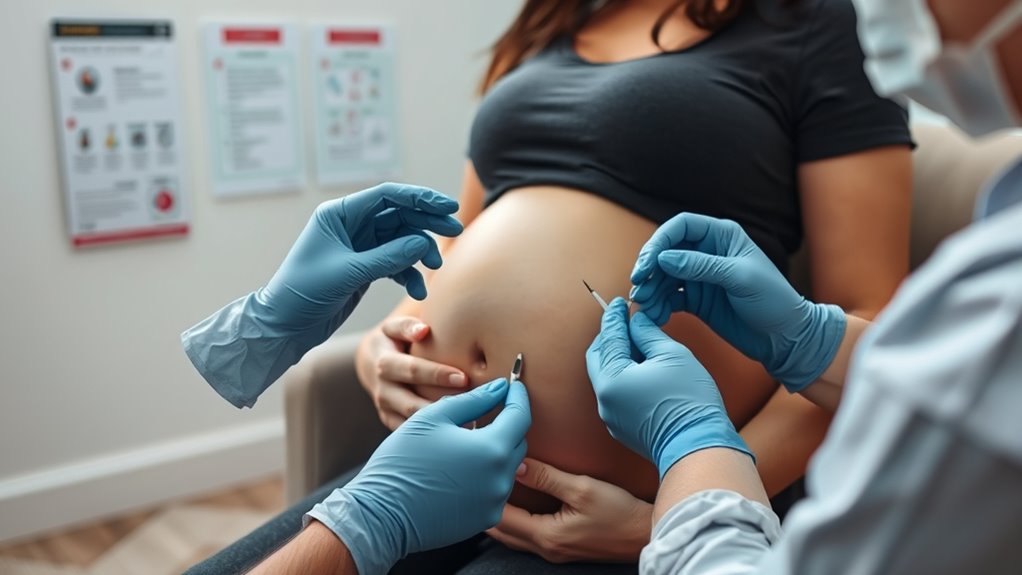
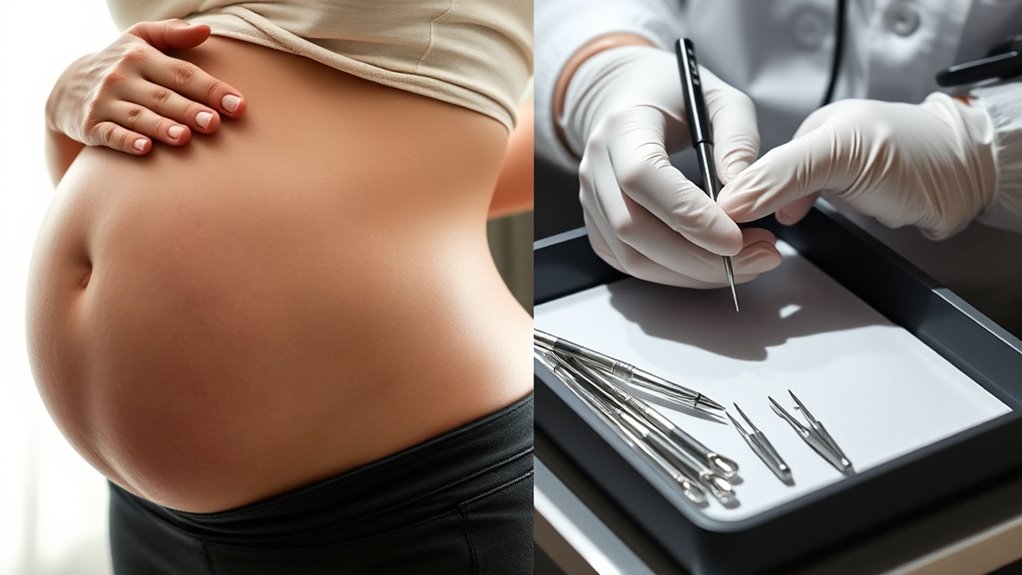
Pregnancy can bring about many changes in your body, and it’s important to think about how these changes might affect piercing safety. During pregnancy, your body undergoes hormonal shifts that can influence how your skin reacts to piercings. Increased blood flow and hormonal fluctuations can cause your skin to become more sensitive, making piercing healing more unpredictable. It’s essential to consider pregnancy precautions to avoid complications, such as infections or prolonged healing times. If you’re pregnant and already have piercings, keep a close eye on how they’re healing and watch for signs of irritation or infection. Proper aftercare becomes even more critical during pregnancy to support healing and prevent issues that could affect both your health and the health of your baby. Additionally, piercing care and hygiene play a vital role in minimizing infection risks during this sensitive time. If you’re contemplating getting a new piercing during pregnancy, it’s better to wait until after you’ve given birth. Piercing during pregnancy can increase the risk of infection because your immune system is naturally suppressed to protect the developing fetus. Furthermore, hormonal changes can cause your piercing sites to become more tender or inflamed, leading to longer healing times or even rejection of the jewelry. It’s also worth noting that some piercings might be more prone to complications during pregnancy due to skin stretching or swelling, especially in areas like the belly button. Taking these factors into account will help you make an informed decision about piercing safety during this sensitive period. For those who already have piercings, maintaining good hygiene and avoiding unnecessary trauma to the piercing site is crucial. You should follow your piercer’s aftercare instructions diligently and avoid changing jewelry or touching the piercing with unwashed hands. During pregnancy, your skin may become more prone to irritation, so staying vigilant about cleanliness can help prevent infections. If you notice any redness, swelling, or discharge, seek medical advice promptly. These signs could indicate an infection or other complications that might impact your pregnancy. Remember, your body is going through a lot, and supporting your piercing healing process with gentle care is essential to prevent setbacks.
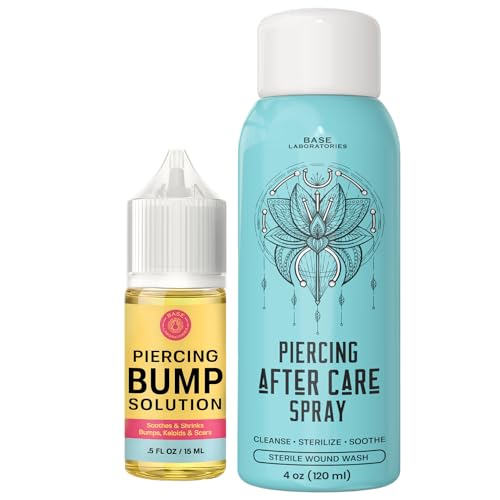
BASE LABORATORIES Piercing Aftercare Kit, Saline Spray & Bump Solution
- All-in-One Piercing Care Bundle: Includes spray and oil for cleaning and bump reduction
- Keloid & Bump Removal Solution: Targets and shrinks keloid bumps effectively
- Soothing Sea Salt Spray: Keeps piercings clean and prevents irritation
As an affiliate, we earn on qualifying purchases.
As an affiliate, we earn on qualifying purchases.
Frequently Asked Questions
Can I Get a Piercing During Pregnancy Without Risks?
Getting a piercing during pregnancy isn’t recommended because of potential risks like infection and complications. You might consider waiting until after childbirth for cosmetic piercings, ensuring your body is fully recovered and safe. If you’re enthusiastic, consult your healthcare provider first. Remember, piercing after childbirth is generally safer, giving you peace of mind and reducing risks for both you and your baby.
Are There Specific Piercings Safer for Pregnant Women?
You should choose piercings in less sensitive areas like ears, avoiding facial or genital piercings during pregnancy. Opt for high-quality jewelry materials such as surgical steel or titanium to reduce infection risk. Always consult your healthcare provider beforehand. Prioritizing safe piercing locations and jewelry material minimizes potential complications, making your piercing experience safer during pregnancy.
How Long Should I Wait After Pregnancy to Get Pierced?
You should wait at least 6 months after pregnancy before getting pierced, allowing for proper post-pregnancy healing. During this time, your body recovers and stabilizes hormonally, which helps guarantee better healing for new piercings. Consider piercing timing considerations carefully, and consult your healthcare provider to confirm your body is fully healed and ready for any new body modifications. Rushing could increase the risk of infection or complications.
Do Pregnancy Hormones Affect Healing of Piercings?
Yes, pregnancy hormones can affect your piercing healing process. Hormonal effects, like increased estrogen and progesterone, may cause your skin to become more sensitive and prone to swelling, which can lead to healing complications. These hormonal changes can slow down recovery or increase the risk of infections. To guarantee proper healing, it’s best to wait until hormone levels stabilize postpartum and consult with a professional piercer before re-piercing.
Is It Safe to Remove Piercings During Pregnancy?
Removing your piercings during pregnancy is generally safe and recommended for pregnancy safety reasons. You should do piercing removal carefully to prevent infections or irritation. If your piercings are in sensitive areas or cause discomfort, removing them can help ensure your comfort and health. Always consult your healthcare provider before removing piercings during pregnancy, as they can give personalized advice based on your specific situation.
Conclusion
As you navigate pregnancy and piercing safety, remember that while some risks are manageable, others can have lasting effects. It’s like walking a tightrope—balancing your desire for self-expression with your baby’s health. Being cautious might feel restrictive, but it’s also empowering, ensuring both of you stay safe and healthy. So, choose wisely, listen to your body, and prioritize safety—because sometimes, the most beautiful choices are the ones made with care.