To care for your piercings during exercise, clean them gently with saline or recommended solutions before and after workouts. Avoid contact sports or use protective barriers, and wear loose clothing to prevent friction. Rinse the piercing after sweating, then pat it dry with a clean towel. Keep an eye on signs of irritation, and adjust your activity if needed. Staying vigilant and following proper care tips helps guarantee your piercings heal well—if you want to learn more, keep exploring.

Get beauty and skincare favorites delivered free with Prime
- Fast, free delivery on millions of items
- Prime Video, Amazon Music and more included
- Member-only deals all year
Key Takeaways
- Clean the piercing with saline or recommended solutions before and after exercise to prevent infection.
- Wear loose, breathable clothing and avoid accessories that cause friction or pressure on the piercing.
- Use protective barriers, like bandages or sports tape, during contact sports or vigorous activity.
- Shower promptly after exercise to rinse away sweat and bacteria from the piercing area.
- Monitor for signs of irritation or infection and reduce activity if discomfort or swelling occurs.
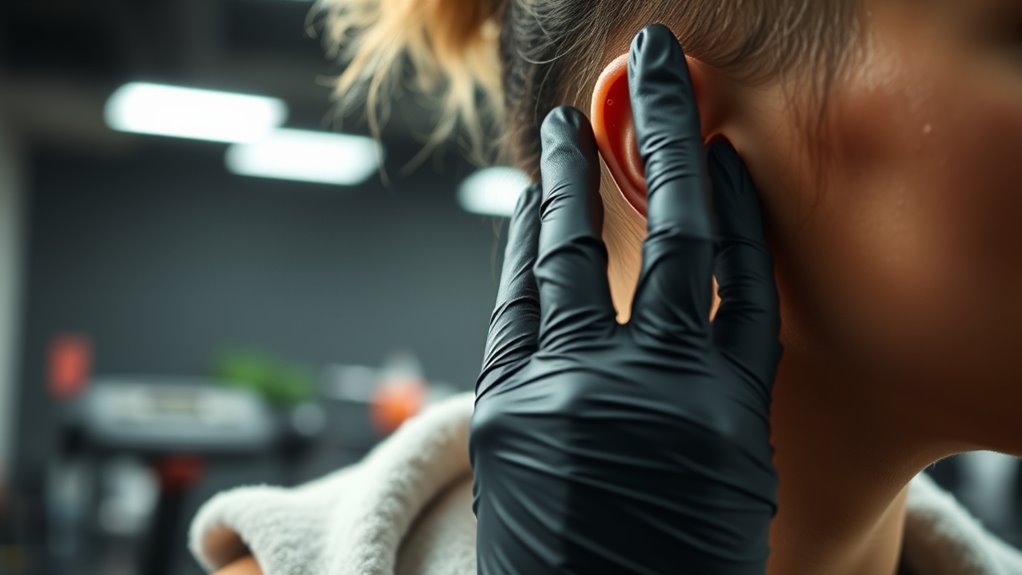
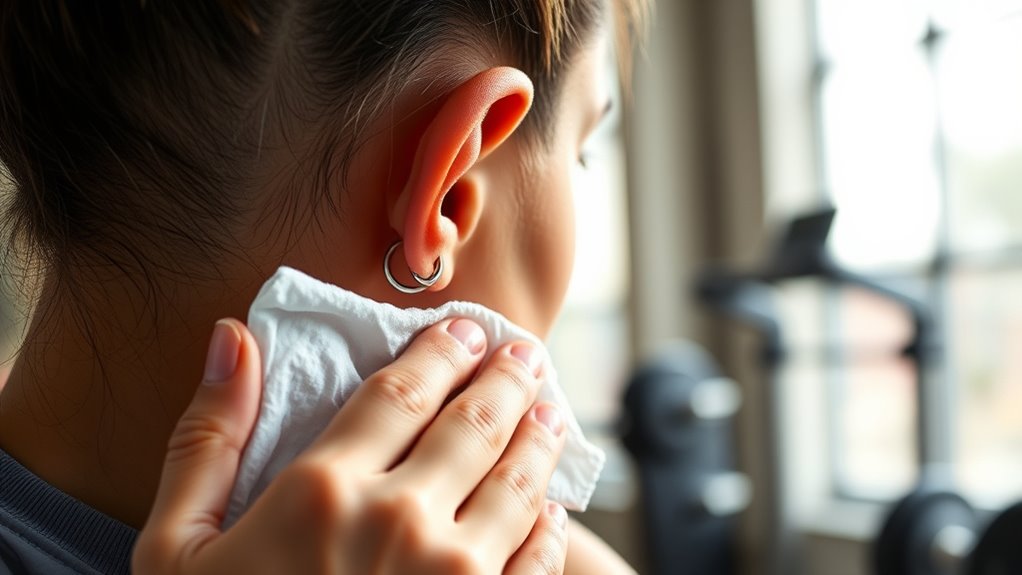
Exercising with piercings can be safe if you take the right precautions to prevent irritation and infection. The key is understanding how to care for your piercings during workouts, especially when it comes to proper cleaning techniques and knowing the healing timeline. When you engage in physical activity, sweat and friction increase the risk of bacteria getting into your piercing, which can cause infections or prolong the healing process. That’s why maintaining a clean environment around your piercing is essential. Use gentle, fragrance-free saline solutions or specialized cleaning solutions recommended by your piercer to cleanse the area regularly. Avoid harsh soaps or alcohol-based cleaners, as they can irritate the skin and delay healing. When cleaning, wash your hands thoroughly beforehand to prevent bacteria transfer, and gently pat the piercing dry with a clean, disposable paper towel or let it air dry. Consistency in cleaning, especially after sweating or contact with gym equipment, helps keep the area clear of dirt and bacteria. Proper cleaning techniques are fundamental to preventing complications during the healing process.
Understanding your healing timeline is equally important. Most piercings take several weeks to months to fully heal, depending on the location and your body’s individual healing process. For example, earlobe piercings typically heal faster, within 6–8 weeks, while cartilage piercings may take 4–6 months or longer. During this period, you should be extra cautious during exercise, avoiding activities that cause excessive movement or pressure on the piercing site. If your piercing is still in the healing phase, consider avoiding contact sports or using protective barriers like bandages or sports tape to shield the piercing from sweat, friction, and accidental bumps.
Listen to your body’s signals; if you notice increased redness, swelling, pain, or discharge, it might be a sign of irritation or infection, and you should reduce activity and consult your piercer or healthcare professional. During workouts, try to minimize friction by wearing loose-fitting clothing and avoiding accessories that could rub against the piercing. Showering after exercise helps rinse away sweat and bacteria, but make sure to follow up with your cleaning routine. Keeping the piercing dry and clean is essential in preventing complications and ensuring proper healing. Remember, patience is key—rushing back into intense workouts too soon or neglecting good cleaning habits can set back your healing timeline and lead to longer recovery or infections. With diligent care and awareness of your healing process, you can exercise safely while protecting your piercing investment.
saline piercing cleaning solution
As an affiliate, we earn on qualifying purchases.
As an affiliate, we earn on qualifying purchases.
Frequently Asked Questions
Can I Wear Headphones With Fresh Piercings During Workouts?
You can wear headphones with fresh piercings during workouts, but you need to prioritize headphone safety and piercing hygiene. Choose soft, seamless headphones to avoid irritation and apply a protective barrier like medical tape if necessary. Clean your headphones regularly to prevent bacteria buildup, and avoid inserting them directly into the piercing site. Always listen to your body; if you experience pain or discomfort, remove the headphones immediately.
How Long Should I Avoid Swimming After Getting a New Piercing?
You should avoid swimming for at least 2 to 4 weeks after getting a new piercing, sometimes longer depending on the healing time. Water exposure during this period can flood your piercing with bacteria, risking infection and prolonging healing. Think of it like a delicate seed; keep it dry and protected so it can grow strong. Don’t rush back into water adventures—your piercing needs time to heal completely!
Is It Safe to Exercise Outdoors With Piercing Jewelry?
Yes, you can exercise outdoors with piercing jewelry, but prioritize jewelry safety. Make sure your jewelry is secure and made of hypoallergenic materials to prevent irritation or allergic reactions. During outdoor activity, avoid excessive sweating that can irritate the piercing. Consider removing jewelry if it’s not necessary or if it could get caught or damaged. Listen to your body, and if you notice discomfort, adjust or remove your jewelry promptly.
What Types of Exercise Should I Avoid Immediately After Piercing?
Think of your piercing as a delicate flower that needs time to bloom. You should avoid high impact activities and contact sports immediately after getting pierced. These activities are like storms that can damage or irritate your fresh piercing, increasing infection risk. Stick to gentle exercises like walking or stretching until your piercing heals. This careful approach helps your jewelry stay secure and prevents unnecessary complications.
How Can I Prevent Sweating From Irritating My New Piercing?
To prevent sweat from irritating your new piercing, focus on sweat management by wiping away sweat promptly with a clean, soft cloth. Keep the area dry and avoid excessive touching, which can cause skin irritation. Consider wearing breathable, moisture-wicking fabrics during exercise to reduce sweat buildup. After working out, gently clean the piercing with saline solution to minimize irritation and promote healing, ensuring your piercing stays comfortable and infection-free.
Conclusion
Remember, caring for your piercings during exercise isn’t just about avoiding infection; it’s about respecting your body’s healing process. Some believe that consistent care can speed healing, but research shows that patience and gentle handling truly make a difference. Think of your piercings as a journey—trust the process, stay vigilant, and you’ll enjoy your active lifestyle without setbacks. Proper care isn’t just a habit, it’s a commitment to your health and confidence.
Columbus Day / Indigenous Peoples' Day Picks
long weekend sales
As an affiliate, we earn on qualifying purchases.