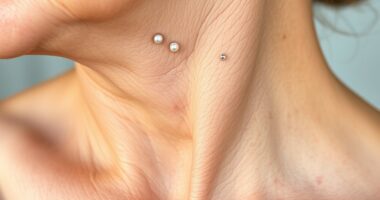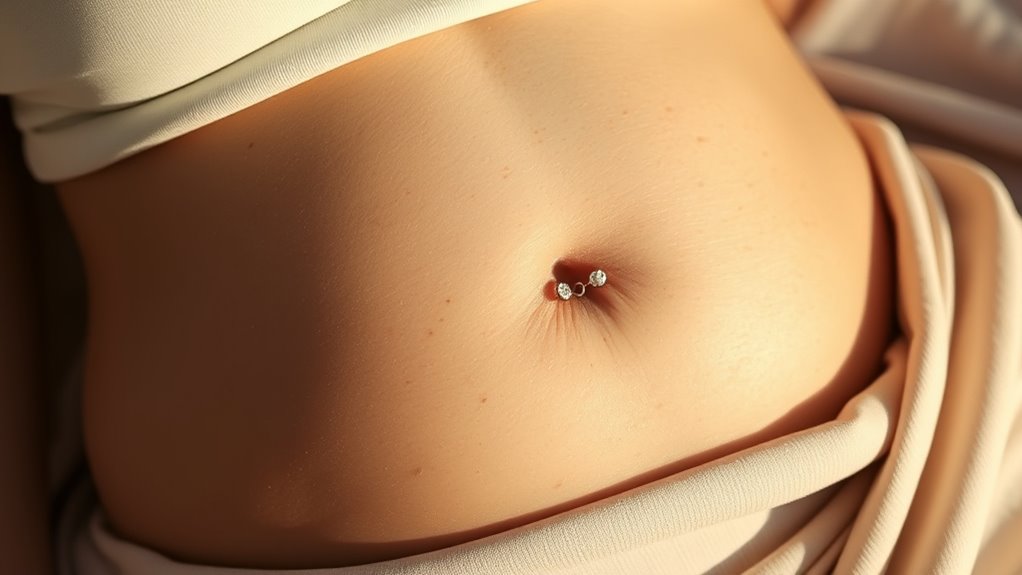

Getting a piercing during postpartum can lead to slower healing and higher infection risks due to hormonal fluctuations and a weakened immune system. Your skin may be more sensitive and fragile after childbirth, especially in areas like the nipples or belly button. These factors make it harder for your body to recover and increase chances of complications. If you want to learn more about how postpartum changes impact healing, keep exploring.
Key Takeaways
- Postpartum hormonal fluctuations can impair skin healing and increase infection risk for new piercings.
- The immune system’s temporary suppression postpartum may delay healing and elevate infection chances.
- Piercings near sensitive areas like nipples or the navel are more prone to complications during postpartum recovery.
- Healing from piercings postpartum may interfere with breastfeeding and pose infection risks to the baby.
- It’s advisable to wait several months and consult a healthcare professional before getting piercings postpartum.
Are you wondering if it’s safe to get a piercing during postpartum? It’s a common question, especially as you navigate the many changes your body is experiencing after childbirth. While piercing might seem like a simple way to express yourself or celebrate your recovery, it’s important to understand how postpartum hormonal changes can affect the healing process and infection risks. During this time, your body undergoes fluctuations in hormones like estrogen and progesterone, which influence skin elasticity, immune response, and overall healing ability. These hormonal shifts can make your skin more sensitive and slower to recover from any injury, including piercings.
Because of these hormonal changes, your body may not respond as efficiently to the healing process, increasing the chance of complications. When you get a piercing, the skin is intentionally broken, creating an entry point for bacteria. If your immune system is still adjusting postpartum, your body might be less equipped to fight off infections. This can lead to prolonged healing times, infections, or even more serious complications. Plus, the postpartum period often involves other factors that heighten infection risks, such as fatigue, stress, and potential breastfeeding-related immune suppression. These factors combined mean your body is working hard to recover and might not be at its strongest to handle additional trauma like a new piercing.
Hormonal shifts postpartum can hinder healing and increase infection risk from piercings.
Additionally, certain areas where you might consider piercing—like the nipples or belly button—are more prone to irritation and infection, especially when your body is still healing from childbirth. The skin around these areas may be more fragile, and hormonal changes can cause increased sensitivity and swelling. If you’re breastfeeding, you also need to be cautious about any potential infections that could affect your milk supply or pass to your baby through contact. It’s also worth noting that hormonal fluctuations can significantly influence skin healing capacity and immune response, which are crucial factors in post-piercing recovery.
Considering all these factors, it’s wise to wait until your body has fully recovered and hormonal levels stabilize. Healing times vary from person to person, but generally, waiting at least several months postpartum is recommended. Consulting with your healthcare provider before getting any piercing is essential. They can evaluate your individual recovery and help you determine the safest timing. Remember, rushing into a piercing during postpartum might seem appealing, but prioritizing your health and reducing infection risks ensures you’re taking care of yourself and your baby in the best way possible.
postpartum healing piercing supplies
As an affiliate, we earn on qualifying purchases.
As an affiliate, we earn on qualifying purchases.
Frequently Asked Questions
Is It Safe to Get a New Piercing While Breastfeeding?
Getting a new piercing while breastfeeding isn’t usually recommended, as your body needs to focus on postpartum nutrition and healing. While breastfeeding benefits both you and your baby, piercing could introduce infection risks or interfere with your recovery. It’s best to wait until you’re fully healed and consult your healthcare provider to ensure your postpartum health stays on track. Prioritize your healing process and your baby’s well-being first.
How Long Should I Wait After Giving Birth Before Piercing?
It’s best to wait at least 6 months after giving birth before getting pierced, as 70% of women experience postpartum healing challenges. During this time, your postpartum scar considerations are essential; healing tissues may be more vulnerable. Follow piercing hygiene tips diligently to prevent infection. Giving your body time to recover helps guarantee your piercing heals properly without complications, keeping both you and your new jewelry safe.
Can Postpartum Hormonal Changes Affect Healing?
Yes, postpartum hormonal fluctuations can affect your wound healing. These hormonal changes may slow down the healing process or cause increased swelling and sensitivity around the pierced area. Because your body is adjusting after childbirth, it’s essential to give yourself extra time to heal fully. You should consult with a healthcare professional before piercing again, ensuring your body’s hormones and healing capacity are stable for safe, successful healing.
Are There Specific Piercings to Avoid Postpartum?
You should avoid new piercings during postpartum, especially those near your breasts or belly, because they can interfere with breastfeeding safety and healing. Your skin may be more sensitive after childbirth, increasing risks of infection or irritation. Even if you’ve had piercings before, it’s best to wait until your body fully recovers to prevent complications. Prioritize healing and consult your healthcare provider before getting any new piercings.
Will Postpartum Skin Sensitivity Impact Piercing Healing?
Postpartum skin sensitivity can impact your piercing healing process, especially if you have scar tissue or reduced skin elasticity. You might notice increased tenderness or slower healing, as your skin is more delicate. To avoid complications, prioritize gentle care, keep the area clean, and monitor for signs of irritation. Consulting with a professional piercer or healthcare provider can help guarantee your piercing heals properly without risking additional skin issues.
Conclusion
Remember, healing takes time. Healing your body, healing your mind, healing your soul—each requires patience, care, and understanding. Embrace the process, listen to your body, and trust your instincts. Because in healing, as in life, growth comes from patience, strength from surrender, and beauty from resilience. Take each step with compassion, knowing that your well-being is worth the wait. Healing isn’t just about recovery; it’s about becoming whole again.